Journal of Occupational
Health and Epidemiology

Rafsanjan university Of medical sciences
Volume 15, Issue 1 (Winter 2026)
J Occup Health Epidemiol 2026, 15(1): 67-77 |
Back to browse issues page



Ethics code: it has no ethical code due to it is review


Download citation:
BibTeX | RIS | EndNote | Medlars | ProCite | Reference Manager | RefWorks
Send citation to:


BibTeX | RIS | EndNote | Medlars | ProCite | Reference Manager | RefWorks
Send citation to:
Nozarian M H, Amiri Ghale Rashidi N, Jabbari A, Zarenasiri M, Karimi E, Ghobeishipour H. Factors Affecting Health Workers' Retention during Epidemics in Developing Countries: A Scoping Review. , J Occup Health Epidemiol. 2026; 15 (1) :67-77
URL: http://johe.rums.ac.ir/article-1-1040-en.html
URL: http://johe.rums.ac.ir/article-1-1040-en.html
Related article in
Google Scholar
Google Scholar
Similar articles
Mohammad Hossein Nozarian1 

 , Niloufar Amiri Ghale Rashidi2 , Arezo Jabbari3 , Mohsen Zarenasiri4 , Esmaeil Karimi5 , Hoda Ghobeishipour *6
1- Ph.D. Student in Healthcare Management, Dept. of Health Care Management, School of Public Health, Tehran University of Medical Sciences, Tehran, Iran.
2- PhD in Public Management, Director of Employee Training Center, Tehran University of Medical Sciences, Tehran, Iran.
3- Master of Healthcare Management, Dept. of Health Care Management, School of Public Health, Ahvaz Jundishapur University of Medical Sciences, Ahvaz, Iran.
4- M.Sc. Student in Healthcare Management, Dept. of Health Care Management, School of Public Health, Tehran University of Medical Sciences, Tehran, Iran.
5- M.Sc. Student in Healthcare Services Management, Student Research Committee, Isfahan University of Medical Sciences, Isfahan, Iran.
6- Ph.D. Student in Healthcare Management, Dept. of Health Care Management, School of Public Health, Tehran University of Medical Sciences, Tehran, Iran. ,hodaaa.gh99@gmail.com
2- PhD in Public Management, Director of Employee Training Center, Tehran University of Medical Sciences, Tehran, Iran.
3- Master of Healthcare Management, Dept. of Health Care Management, School of Public Health, Ahvaz Jundishapur University of Medical Sciences, Ahvaz, Iran.
4- M.Sc. Student in Healthcare Management, Dept. of Health Care Management, School of Public Health, Tehran University of Medical Sciences, Tehran, Iran.
5- M.Sc. Student in Healthcare Services Management, Student Research Committee, Isfahan University of Medical Sciences, Isfahan, Iran.
6- Ph.D. Student in Healthcare Management, Dept. of Health Care Management, School of Public Health, Tehran University of Medical Sciences, Tehran, Iran. ,
Article history

Received: 2025/04/29
Accepted: 2025/07/26
ePublished: 2026/03/30
Accepted: 2025/07/26
ePublished: 2026/03/30
Subject:
Occupational Health
Keywords: Epidemics [Emtree], Health Workers [MeSH], Developing Countries [MeSH], Personnel [MeSH], Review [MeSH]
Full-Text [PDF 667 kb]
(390 Downloads)
| Abstract (HTML) (1206 Views)
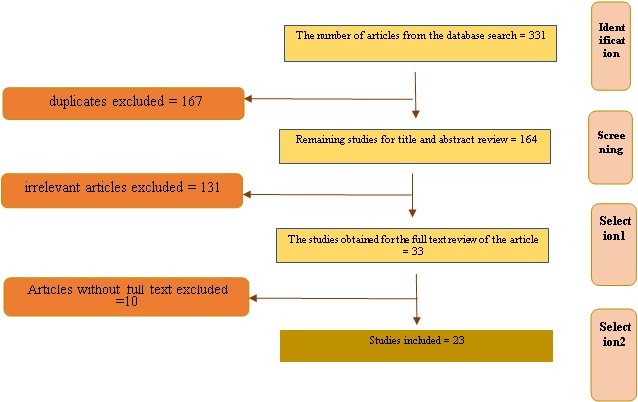
Fig.1. Flowchart of included studies reporting the factors influencing health workers' retention during epidemics in developing countries
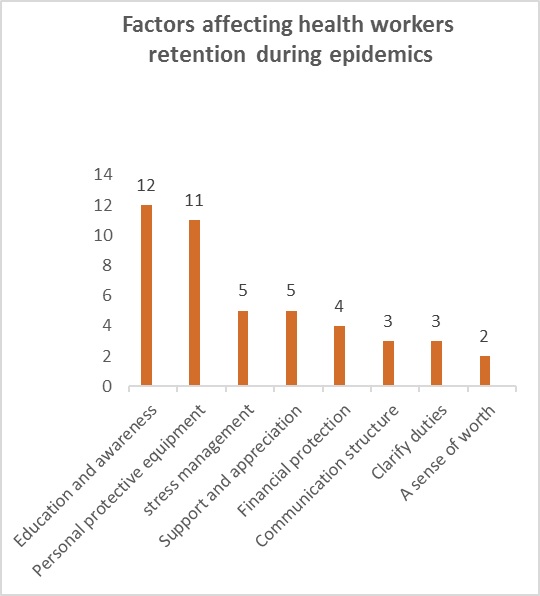
Fig. 2. Frequency of factors affecting the retention of health workers during epidemics
Full-Text: (13 Views)
Introduction
Human resources are one of the most important and principal components in providing health services. Any society's growth and development depend on they are proper employment and distribution. Although the provision of decent healthcare services depends on the skilled, capable and experienced human resources, improper recruitment of human resources, especially health workforces, results in the loss of public resources and inefficiency of the health system [1].
Asia, claiming about half of the world's population, has access to only about 30% of the world's health professionals. Moreover, Africa faces the highest burden of disease with a severe shortage of health professionals, confirming the imbalanced association between health care needs and the distribution of health workforce [2]. One of the most harmful effects of severely unbalanced health systems with a severe shortage of human resources is the difficulty in generating, attracting, and retaining health professionals, especially during crises [3].
Predicted and unexpected accidents as well as crises in the health system are always considered one of the basic challenges of countries [4]. After detection of first cases of COVID-19 in China in December 2019, and then its rapid spread to other countries across the world, the efforts of service providers were focused on the control and treatment of this disease [5]. Doctors and nurses were on the front lines of providing care for patients with COVID-19. They confronted the risk of catching the disease, long working hours, and high workload. According to the available information, so far, a large number of healthcare workers have been infected with Covid-19 and a large number have also lost their lives [6].
Countries confront shortage of human resources in emergency situations; For instance, at the beginning of the Covid-19 epidemic crisis in 2019, in a situation where the health workforce was under massive work pressure, the national health systems faced a decline in the number of medical staff [7]. In England, part of the health department's specialist force became inaccessible owing to increased working hours, illness or self-quarantine [4]. A study in Pakistan indicated that the perceived threat of Covid-19 has been a significant factor in turnover intention among nurses [8]. In Egypt, a study found that more than 95% of nurses intended to leave their current job in a hospital affected by the COVID-19, while about 25% intended to quit their job [9]. Losing employees who have valuable skills and experiences is costly for the organization and can result in intangible costs [10].
Nevertheless, the main limitation in developing countries is the insufficient number of skilled employees. Various studies of workforce challenges in crises have reported shortage of workforce, imbalance of skill-mix and disproportionate distribution of employees. Thus, planning for the crisis in the health care sector in these countries requires consideration of the ability of society to provide care for a larger number of patients under different conditions. This ability is known as capacity building, which is described as the ability to maintain and enhance the quality of care in response to sudden or long-term demands on the health care system. The main components of capacity building include personnel (staffs), equipment, facilities (structure), and integrated management policies as well as processes (systems). Organizations have recognized that ensuring adequate health care personnel is necessary to boost the capacity. If the number of healthcare personnel is less than expected in a crisis, the safety and sustainability of the care provided may be compromised [11].
Exhausting work conditions, lack of personal protective equipment, lack of special drugs as well as feeling of insufficient support are among a wide range of variables that affect the longevity of health care workers along a crisis [12]. In this regard, designing strategic plans to manage the shortage of human resources in crises, particularly during the epidemic of infectious diseases such as Corona, should be one of the main goals of the world's health systems. In order to accomplish this goal, it is necessary to identify the variables affecting the retention of employees[13].
A systematic review in low-income countries found that financial incentives (90%), career development (85%), hospital or clinic management (80%), training opportunities, recognition and/or appreciation of employees (70%) It can result in enhanced longevity of health workers by boosting their motivation [14]. The results of another study have indicated that the use of financial incentives in accordance with the expectations of employees along with personal and professional support for them can lead to heightened desire for the longevity of health workers, especially doctors [15].
Planning for the management of health human resources under critical conditions is a complex process for policy makers in countries, with many countries worldwide facing a shortage of health human resources in this situation. Ensuring an adequate, skilled and sustainable workforce to provide quality health services is clearly an urgent issue for health policies globally in order to cope with emerging changes linked to demographic, biological, technological, political, socio-economic, and epidemiological factors. The aim of this study is to identify factors affecting health workers' retention during epidemics in developing countries, with a special focus on the capacities of these countries in crisis, in order to find solutions and help predict and provide needed resources.
Materials and Methods
This scoping review, undertaken between June 1st and December 20st 2024, aimed to identify factors affecting health workers’ retention during epidemics in developing countries. The study adhered to the five-stage framework proposed by Arksey and O’Malley, a widely recognized methodology for scoping reviews given its structured yet flexible approach to mapping diverse literature. The framework consists of: (1) identifying the research question, (2) searching for relevant studies, (3) selecting eligible studies, (4) charting the data, and (5) collating, summarizing, and reporting the results. Each stage was systematically applied to ensure a comprehensive and transparent review process, as detailed below.
Identifying the research question: The review sought to answer: "What factors influence the retention of health workers along epidemics in developing countries?"
Searching for relevant studies: This study included articles published between 2000 and 2024. In order to ensure a comprehensive collection of relevant literature, an extensive search strategy was implemented. Initially, a preliminary search was performed to identify related review articles and relevant keywords. Next, a search strategy was developed using associated MeSH terms, including 'Occupational Burnout,' 'Epidemics,' 'Health Workforce,' and 'Retention,' and applied to retrieve relevant documents. Five international databases (PubMed, Embase, Scopus, Web of Science, and Google Scholar) and two domestic databases (Magiran and SID) were systematically searched.
Selecting studies and charting the data: In multiple stages, articles with titles, abstracts, and full texts relevant to the research topic were included in the study. At each stage, three researchers independently reviewed the articles, and in cases of disagreement, a fourth researcher was consulted to make the final decision concerning inclusion or exclusion. The inclusion criteria were as follows: articles examining factors influencing the retention of health workers during epidemics in developing countries, studies applying a qualitative or mixed-methods approach, articles published in English, and those published between 2000 and 2024. The exclusion criteria were: studies conducted on medical students and those exploring crises or disasters such as earthquakes and tsunamis.
Articles retrieved from database searches using the defined search strategies were imported into Mendeley software. A total of 331 studies were initially identified. Once duplicates were removed (167 studies), 164 unique studies remained. Along the title and abstract screening stage, 131 articles were excluded. Thereafter, 33 studies advanced to the full-text review stage, where 10 articles were excluded owing to misalignment with the research objectives or methodological weaknesses. Ultimately, 23 studies were included in the final review (Fig. 1).
Human resources are one of the most important and principal components in providing health services. Any society's growth and development depend on they are proper employment and distribution. Although the provision of decent healthcare services depends on the skilled, capable and experienced human resources, improper recruitment of human resources, especially health workforces, results in the loss of public resources and inefficiency of the health system [1].
Asia, claiming about half of the world's population, has access to only about 30% of the world's health professionals. Moreover, Africa faces the highest burden of disease with a severe shortage of health professionals, confirming the imbalanced association between health care needs and the distribution of health workforce [2]. One of the most harmful effects of severely unbalanced health systems with a severe shortage of human resources is the difficulty in generating, attracting, and retaining health professionals, especially during crises [3].
Predicted and unexpected accidents as well as crises in the health system are always considered one of the basic challenges of countries [4]. After detection of first cases of COVID-19 in China in December 2019, and then its rapid spread to other countries across the world, the efforts of service providers were focused on the control and treatment of this disease [5]. Doctors and nurses were on the front lines of providing care for patients with COVID-19. They confronted the risk of catching the disease, long working hours, and high workload. According to the available information, so far, a large number of healthcare workers have been infected with Covid-19 and a large number have also lost their lives [6].
Countries confront shortage of human resources in emergency situations; For instance, at the beginning of the Covid-19 epidemic crisis in 2019, in a situation where the health workforce was under massive work pressure, the national health systems faced a decline in the number of medical staff [7]. In England, part of the health department's specialist force became inaccessible owing to increased working hours, illness or self-quarantine [4]. A study in Pakistan indicated that the perceived threat of Covid-19 has been a significant factor in turnover intention among nurses [8]. In Egypt, a study found that more than 95% of nurses intended to leave their current job in a hospital affected by the COVID-19, while about 25% intended to quit their job [9]. Losing employees who have valuable skills and experiences is costly for the organization and can result in intangible costs [10].
Nevertheless, the main limitation in developing countries is the insufficient number of skilled employees. Various studies of workforce challenges in crises have reported shortage of workforce, imbalance of skill-mix and disproportionate distribution of employees. Thus, planning for the crisis in the health care sector in these countries requires consideration of the ability of society to provide care for a larger number of patients under different conditions. This ability is known as capacity building, which is described as the ability to maintain and enhance the quality of care in response to sudden or long-term demands on the health care system. The main components of capacity building include personnel (staffs), equipment, facilities (structure), and integrated management policies as well as processes (systems). Organizations have recognized that ensuring adequate health care personnel is necessary to boost the capacity. If the number of healthcare personnel is less than expected in a crisis, the safety and sustainability of the care provided may be compromised [11].
Exhausting work conditions, lack of personal protective equipment, lack of special drugs as well as feeling of insufficient support are among a wide range of variables that affect the longevity of health care workers along a crisis [12]. In this regard, designing strategic plans to manage the shortage of human resources in crises, particularly during the epidemic of infectious diseases such as Corona, should be one of the main goals of the world's health systems. In order to accomplish this goal, it is necessary to identify the variables affecting the retention of employees[13].
A systematic review in low-income countries found that financial incentives (90%), career development (85%), hospital or clinic management (80%), training opportunities, recognition and/or appreciation of employees (70%) It can result in enhanced longevity of health workers by boosting their motivation [14]. The results of another study have indicated that the use of financial incentives in accordance with the expectations of employees along with personal and professional support for them can lead to heightened desire for the longevity of health workers, especially doctors [15].
Planning for the management of health human resources under critical conditions is a complex process for policy makers in countries, with many countries worldwide facing a shortage of health human resources in this situation. Ensuring an adequate, skilled and sustainable workforce to provide quality health services is clearly an urgent issue for health policies globally in order to cope with emerging changes linked to demographic, biological, technological, political, socio-economic, and epidemiological factors. The aim of this study is to identify factors affecting health workers' retention during epidemics in developing countries, with a special focus on the capacities of these countries in crisis, in order to find solutions and help predict and provide needed resources.
Materials and Methods
This scoping review, undertaken between June 1st and December 20st 2024, aimed to identify factors affecting health workers’ retention during epidemics in developing countries. The study adhered to the five-stage framework proposed by Arksey and O’Malley, a widely recognized methodology for scoping reviews given its structured yet flexible approach to mapping diverse literature. The framework consists of: (1) identifying the research question, (2) searching for relevant studies, (3) selecting eligible studies, (4) charting the data, and (5) collating, summarizing, and reporting the results. Each stage was systematically applied to ensure a comprehensive and transparent review process, as detailed below.
Identifying the research question: The review sought to answer: "What factors influence the retention of health workers along epidemics in developing countries?"
Searching for relevant studies: This study included articles published between 2000 and 2024. In order to ensure a comprehensive collection of relevant literature, an extensive search strategy was implemented. Initially, a preliminary search was performed to identify related review articles and relevant keywords. Next, a search strategy was developed using associated MeSH terms, including 'Occupational Burnout,' 'Epidemics,' 'Health Workforce,' and 'Retention,' and applied to retrieve relevant documents. Five international databases (PubMed, Embase, Scopus, Web of Science, and Google Scholar) and two domestic databases (Magiran and SID) were systematically searched.
Selecting studies and charting the data: In multiple stages, articles with titles, abstracts, and full texts relevant to the research topic were included in the study. At each stage, three researchers independently reviewed the articles, and in cases of disagreement, a fourth researcher was consulted to make the final decision concerning inclusion or exclusion. The inclusion criteria were as follows: articles examining factors influencing the retention of health workers during epidemics in developing countries, studies applying a qualitative or mixed-methods approach, articles published in English, and those published between 2000 and 2024. The exclusion criteria were: studies conducted on medical students and those exploring crises or disasters such as earthquakes and tsunamis.
Articles retrieved from database searches using the defined search strategies were imported into Mendeley software. A total of 331 studies were initially identified. Once duplicates were removed (167 studies), 164 unique studies remained. Along the title and abstract screening stage, 131 articles were excluded. Thereafter, 33 studies advanced to the full-text review stage, where 10 articles were excluded owing to misalignment with the research objectives or methodological weaknesses. Ultimately, 23 studies were included in the final review (Fig. 1).
Fig.1. Flowchart of included studies reporting the factors influencing health workers' retention during epidemics in developing countries
For data extraction, a researcher-designed data extraction form was utilized. This form captured key information, including the article title, name of the first author, year of publication, whether the journal was international or domestic, language of the article, study type, study purpose, main components under investigation (e.g., sustainability factors), and credibility of each statement.
Analysis and reporting the results: Finally, through multiple stages, articles with titles, abstracts, and full texts relevant to the research topic were included in the study. At each stage, three researchers independently reviewed the articles; in cases of disagreement, the article was reassessed. If consensus was not reached following re-evaluation, a fourth researcher was consulted to make the final decision on whether to include or exclude the article. Once the final set of articles was determined, data extraction was performed by two researchers. Next, data classification and analysis were undertaken using Ritchie and Spencer's framework analysis method, which consists of five stages: i) familiarization with the data, ii) identifying a thematic framework, iii) indexing, iv) charting, and v) interpreting the findings.
All ethical considerations of review research have been observed in this study, including compliance with data extraction protocols to prevent scientific plagiarism and impartiality of researchers in the research stages.
Results
A total of 23 studies fulfilled the inclusion criteria and were included in the review. All studies were published in English. Of these, 16 studies (70%) had been undertaken during the COVID-19 pandemic, reflecting the dominant focus on recent epidemic contexts. Considering study types, 15 were original research articles, 4 were systematic reviews, and 4 were categorized as expert reports or commentary papers. The target populations varied, with a majority (n=16) focusing on healthcare workers (HCWs), including physicians, nurses, radiologists, ICU personnel, and frontline workers. The studies addressed various topics related to health worker retention in epidemic settings. The distribution of topics was as follows: Burnout, stress, anxiety, as well as other mental health-related factors (n=10), Willingness to work and retention of health workers (n=6), Occupational safety and the usage of personal protective equipment (PPE) (n=4), Supportive mechanisms such as financial protection, communication structures, and recognition (n=3). Geographically, the studies had been performed across a variety of developing countries. The country-specific distribution included: China (n=6), Pakistan (n=2), Turkey (n=2), India (n=2), Japan (n=2), South Korea (n=2), Kenya (n=1), Malaysia (n=1), Romania (n=1), and General Africa or multiple African countries (n=4).
This mapping highlights a concentration of research in Asian countries, particularly China, and a strong focus on mental health as well as workforce sustainability among healthcare workers during epidemic conditions.
Following data extraction, the factors affecting health workers' retention along epidemics in developing countries were identified. The number of articles that discussed one or more topics revealed how common and effective each factor was (Table 1).
All ethical considerations of review research have been observed in this study, including compliance with data extraction protocols to prevent scientific plagiarism and impartiality of researchers in the research stages.
Results
A total of 23 studies fulfilled the inclusion criteria and were included in the review. All studies were published in English. Of these, 16 studies (70%) had been undertaken during the COVID-19 pandemic, reflecting the dominant focus on recent epidemic contexts. Considering study types, 15 were original research articles, 4 were systematic reviews, and 4 were categorized as expert reports or commentary papers. The target populations varied, with a majority (n=16) focusing on healthcare workers (HCWs), including physicians, nurses, radiologists, ICU personnel, and frontline workers. The studies addressed various topics related to health worker retention in epidemic settings. The distribution of topics was as follows: Burnout, stress, anxiety, as well as other mental health-related factors (n=10), Willingness to work and retention of health workers (n=6), Occupational safety and the usage of personal protective equipment (PPE) (n=4), Supportive mechanisms such as financial protection, communication structures, and recognition (n=3). Geographically, the studies had been performed across a variety of developing countries. The country-specific distribution included: China (n=6), Pakistan (n=2), Turkey (n=2), India (n=2), Japan (n=2), South Korea (n=2), Kenya (n=1), Malaysia (n=1), Romania (n=1), and General Africa or multiple African countries (n=4).
This mapping highlights a concentration of research in Asian countries, particularly China, and a strong focus on mental health as well as workforce sustainability among healthcare workers during epidemic conditions.
Following data extraction, the factors affecting health workers' retention along epidemics in developing countries were identified. The number of articles that discussed one or more topics revealed how common and effective each factor was (Table 1).
Table 1. Included studies characteristics
| Authors | Year | Title/Aim | Results | |
| 1 | Amin F, et al. (2020)[16] | 2020 | To assess knowledge, perception, and psychological impact of COVID-19 among frontline doctors in Pakistan | Moderate to high knowledge; high anxiety and depression due to limited PPE and perceived vulnerability. |
| 2 | Dinibutun SR. (2020)[17] | 2020 | To evaluate burnout levels and related factors among physicians during COVID-19 | Moderate emotional exhaustion; lower burnout in frontline workers; unwilling career choice linked to higher burnout. |
| 3 | Huang L, et al. (2020)[18] | 2020 | To identify factors associated with resilience in radiology medical staff during COVID-19 | Low resilience associated with high stress, lack of knowledge, and insufficient protective materials |
| 4 | Morgantini LA, et al. (2020)[19] | 2020 | To identify factors contributing to burnout in healthcare professionals globally during the COVID-19 pandemic. | Major causes included lack of personal protective equipment (PPE), poor organizational support, and workload. Burnout was significantly higher in those reporting insufficient institutional support. |
| 5 | Hu D, Kong Y, Li W, et al. (2020)[20] | 2020 | To assess psychological outcomes and associated factors among frontline nurses in Wuhan during COVID-19. | High prevalence of burnout, anxiety, and depression. Psychological distress was correlated to female gender, longer working hours, and insufficient PPE and support. |
| 6 | McDiarmid MA. (2019)[21] | 2019 | To highlight the importance of advocacy and protection for health workers globally | Emphasized systemic reforms, improved occupational safety, as well as ensuring respect and recognition for health workers as vital for retention and well-being. |
| 7 | Bourgeault IL, et al. (2020)[22] | 2020 | To discuss how the COVID-19 pandemic can be a turning point for building more sustainable health workforces. | The authors argued that investment in workforce planning, data systems, gender equity, and decent working conditions is essential. The pandemic revealed structural weaknesses but also opened opportunities for reform. |
| 8 | Nullis-Kapp C. (2005)[23] | 2005 | To report how the shortage of health workers poses a risk to achieving global development goals. | The article highlighted that low-income countries face critical workforce gaps owing to migration, poor working conditions, and underinvestment. Global action is needed to address this crisis. |
| 9 | Sidibé M, Campbell J. (2014)[24] | 2014 | To call for urgent global efforts to reverse the health workforce crisis. | The paper emphasized international collaboration, increased financing, and better national planning to rebuild and retain health systems. |
| 10 | Mohga Kamal-Yanni, et al. (2006)[25] | 2006 | To highlight the health worker crisis in developing countries and advocate for global solidarity to address it. | The article underscored systemic underinvestment in health workforce systems, low wages, and poor working conditions. It calls on global actors to prioritize sustainable funding and equitable workforce distribution. |
| 11 | Chimed-Ochir O, et al. (2023)[26] | 2023 | To examine the impact of COVID-19 on the health emergency and disaster risk management system, focusing on healthcare workforce management. | The study outlined how the COVID-19 pandemic exposed limitations in workforce surge capacity, training systems, and inter-sectoral coordination. Recommendations included workforce resilience strategies, better preparedness planning, and integration of workforce needs into disaster response frameworks. |
| 12 | Savu CF, et al. (2023)[27] | 2023 | To identify potential factors influencing healthcare workforce sustainability in Romania during the COVID-19 crisis (2020–2022). | The study found that emotional overload, burnout, inconsistent organizational support, as well as lack of clear communication were major barriers to workforce sustainability. It stressed the need for systemic improvements in mental health support, communication, and workforce planning. |
| 13 | Verbeek JH, et al. (2020)[28] | 2020 | To evaluate the effectiveness of personal protective equipment (PPE) in preventing highly infectious diseases in healthcare workers exposed to contaminated body fluids. | The systematic review found that powered, air-purifying respirators with coveralls may offer better protection than N95 masks with gowns, but may lower comfort and increase donning time. Training in proper PPE use would significantly improve compliance and reduces risk. |
| 14 | Lin J, et al. (2020)[29] | 2020 | To assess factors associated with resilience among non-local medical workers deployed to Wuhan during the COVID-19 outbreak. | The study indicated that resilience was positively associated with social support, psychological preparedness, and job motivation. Psychological distress was lower among those with higher resilience scores. |
| 15 | Khasne W, et al. (2020)[30] | 2020 | To measure the prevalence of burnout among healthcare workers during the COVID-19 pandemic in India and identify associated factors. | The study observed high prevalence of burnout, especially emotional exhaustion, among frontline HCWs. Younger age, female gender, and lack of institutional support were significant predictors. |
| 16 | Matsuo T, et al. (2020)[31] | 2020 | To evaluate the prevalence and contributing factors of burnout among healthcare workers in Japan during the COVID-19 pandemic. | About 31.4% of respondents experienced burnout. Factors linked to higher burnout included being female, a nurse, or lacking adequate PPE or institutional mental health support. |
| 17 | Jang Y, et al. (2020)[32] | 2020 | To investigate the factors influencing hospital workers’ intention to work during the early stages of the COVID-19 outbreak in South Korea. | Willingness to work was positively associated with organizational trust and perceived safety, while negatively correlated with anxiety and perceived infection risk. |
| 18 | Charney RL, et al. (2015)[33] | 2015 | To compare hospital employees’ willingness to work during pandemics versus earthquakes. | Willingness to report to work was significantly lower during pandemics (62%) than during earthquakes (85%). Main barriers included concern for personal and family safety. |
| 19 | Wanguku JM (2016)[34] | 2016 | To investigate how human resource practices affect the retention of medical officers in public hospitals in Nairobi County, Kenya. | Training opportunities, compensation, job security, and work environment were found as significant predictors of medical officer retention in Nairobi. |
| 20 | Kim JS, Choi JS (2016)[35] | 2016 | To identify the factors influencing burnout among emergency nurses during the 2015 MERS-CoV outbreak in Korea. | Burnout levels were associated with heightened anxiety, fear of infection, insufficient staffing, and lack of proper infection control protocols. Supportive supervision and clear communication mitigated burnout. |
| 21 | Aoyagi Y, et al. (2015)[36] | 2015 | To assess healthcare workers’ willingness to work during an influenza pandemic through a systematic review and meta-analysis. | Willingness to work varied widely (23.1%–95.8%), with influential factors including perceived risk, availability of PPE, and confidence in employer. Protective measures and clear guidelines increased willingness. |
| 22 | Guddati AK (2020)[37] | 2020 | To explore the medical, ethical, and legal implications of protecting healthcare professionals during epidemics. | The article emphasized the importance of ensuring financial protection, legal safeguards, and a sense of worth for healthcare professionals. It argued that comprehensive protection measures are essential not only for provider safety but also to sustain health system functionality during crises. |
| 23 | Farahani et al. (2024)[38] | 2024 | To identify occupational and non-occupational factors influencing the retention of healthcare employees during the COVID-19 pandemic. | Eight categories identified: Personal, Interpersonal, Organizational, Social media, Educational, Emotional, Protective, Other factors |
The bar chart illustrates various factors affecting retention of health workers during epidemics. The most significant factors are "Education and awareness" and "Personal protective equipment," cited by 12 and 11 respondents respectively, revealing their critical role in ensuring the safety and preparedness of healthcare personnel. "Stress management" follows at a distant third with 5 mentions, reflecting the importance of mental health support. Other notable factors include "Support and appreciation" [5], "Financial protection" [4], and "Communication structure" [3]. Less frequently mentioned but still relevant are "Clarity of duties" [3] and "A sense of worth" [2], suggesting that emotional and structural clarity also contribute, albeit to a lesser degree, to retaining health workers during crises. Overall, the chart emphasizes that both tangible resources and emotional support are critical for sustaining the healthcare workforce in epidemic situations (Fig. 2).
Training and awareness sessions among health workers during pandemics significantly boost knowledge and preparedness, and studies have underscored the importance of ongoing, updated, and frequent training.
Access to personal protective equipment (PPE) is critical to health worker resilience along pandemics. Studies suggest that challenges arise for employees with the lack of necessary personal protective equipment such as respirator or a medical mask, gown, gloves, eye protection, etc. Thus, ensuring adequate access to PPE at the workplace can enhance the flexibility and longevity of health workers.
Stress management and emotional support are two other factors affecting the health workers' persistence during the epidemic. Work- and family-related stressors, such as organizational stressors and anger, significantly impact both the well-being and performance of health workers.
Providing financial incentives for health workers along an epidemic can actually ensure their continued delivery
of essential services. Financial incentives, such as salary increase and rewards, play an important role in employee retention. Financial incentives, together with non-financial support, motivate health workers and ensure their continuity in providing essential health services.
Establishing a communication structure during an epidemic is one of the essential factors for employee retention. In this era, remote communication infrastructures can be expanded to maintain the communication of employees with friends, relatives, and family.
During the epidemic, according to the implementation of policies such as working hours, work flow, etc., clarification of tasks results in organizational and job continuity. Perceived organizational support during epidemics positively affects employees' decision to remain with their organization. Creating a sense of value in staff includes fostering a culture of communication where they feel engaged, free to express themselves, continuously learn, and contribute to enhancing quality of care.
Training and awareness sessions among health workers during pandemics significantly boost knowledge and preparedness, and studies have underscored the importance of ongoing, updated, and frequent training.
Access to personal protective equipment (PPE) is critical to health worker resilience along pandemics. Studies suggest that challenges arise for employees with the lack of necessary personal protective equipment such as respirator or a medical mask, gown, gloves, eye protection, etc. Thus, ensuring adequate access to PPE at the workplace can enhance the flexibility and longevity of health workers.
Stress management and emotional support are two other factors affecting the health workers' persistence during the epidemic. Work- and family-related stressors, such as organizational stressors and anger, significantly impact both the well-being and performance of health workers.
Providing financial incentives for health workers along an epidemic can actually ensure their continued delivery
of essential services. Financial incentives, such as salary increase and rewards, play an important role in employee retention. Financial incentives, together with non-financial support, motivate health workers and ensure their continuity in providing essential health services.
Establishing a communication structure during an epidemic is one of the essential factors for employee retention. In this era, remote communication infrastructures can be expanded to maintain the communication of employees with friends, relatives, and family.
During the epidemic, according to the implementation of policies such as working hours, work flow, etc., clarification of tasks results in organizational and job continuity. Perceived organizational support during epidemics positively affects employees' decision to remain with their organization. Creating a sense of value in staff includes fostering a culture of communication where they feel engaged, free to express themselves, continuously learn, and contribute to enhancing quality of care.
Fig. 2. Frequency of factors affecting the retention of health workers during epidemics
Discussion
This study was undertaken to identify factors affecting the retention of health workers. After searching the databases using appropriate keywords, 23 studies that fulfilled the inclusion criteria were examined. In this study, 8 factors were identified as factors affecting the retention of health workers during epidemics in developing countries. These factors included Personal protective equipment, Stress management, Education and awareness, Support and appreciation, Financial protection, Communication structure, task clarity, and Sense of worth.
One of the influential factors on the retention of health workers along epidemics is access to resources. Access to supplies and personal protective equipment (PPE) plays an important role in maintaining health workers during pandemics such as COVID-19 pandemic. Limited access to PPEs such as masks, gloves, shields, and disinfectants has been recognized as an important factor in inducing fatigue and occupational hazards among health workers. Lack of access to these essential resources can result in increased risks, including exposure to pathogens, long work hours, and psychological distress. Providing adequate resources not only lowers job risks, but also boosts employee morale and resilience during a crisis. Studies indicate that ensuring access to resources and addressing occupational hazards are essential steps in supporting the well-being as well as retention of health workers during epidemics [39, 40].
Job stress management and psychological safety are essential to maintaining health workers along pandemics such as COVID-19. The well-being of health workers is significant for quality of care and their mental health. Nicolakakis and Mary's study notes that stress in the work environment can result in job burnout, which is the main cause of job turnover and resignation of health workers. Psychological safety is an important aspect of job stress management as it allows employees to feel safe to express their thoughts as well as concerns without fear of punishment or judgment. This feeling of safety can result in increased interaction, flexibility, and elevated level of well-being among health workers. As such, attention should be paid to factors related to occupational stress and promote psychological safety to maintain health workers along epidemics. By implementing effective stress management programs and creating a supportive work environment, organizations can ameliorate the well-being of their employees and ensure continuity of care during challenging times [41, 42]. Employees may experience more stress and emotional strain during epidemics owing to the demanding nature of their roles and elevated work-related risks. By recognizing and addressing the specific mental health challenges confronted by different groups of health workers, organizations can implement targeted strategies to boost psychological support, reduce anxiety, and promote resilience among those most affected by epidemic conditions [43].
Awareness of health workers is a critical factor in retention health workers during epidemics. Effective communication and training on epidemic management protocols as well as safety measures is essential to ensure well-being and retention of health workers. According to studies, providing clear information and clear training to health care workers can help mitigate stress, anxiety and burnout levels and ultimately improve their ability to deal with the challenges posed by epidemics. Domínguez‐Salas and Mulfinger studies confirm that by prioritizing strategies associated with communication skills that inform and support health workers, organizations can boost employee flexibility, job satisfaction, and retention in a crisis [40, 44]. Participation in training sessions is an important and necessary factor in retention health workers during epidemics, which has been proven by various studies. Health workers Training programs result in enhanced knowledge and necessary skills for the effective management of epidemic situations, increasing the readiness and confidence of employees in dealing with challenging scenarios. These sessions not only equip health care professionals with the necessary tools to comprehend and control the complexity of epidemic diseases, but also help mitigate stress, enhance job satisfaction, and employee performance. Through active participation in training sessions, healthcare workers can become aware of the best and up-to-date protocols and ultimately boost their ability to provide quality care while ensuring their own well-being. Evidence underscores the importance of continuous education and professional development in strengthening the resilience and retention of health workers during epidemics [45-47].
As various studies have shown, personal and family support plays a key role in maintaining health workers during epidemics. The tough nature of health care work during epidemics can lead to heightened stress, burnout, and emotional exhaustion among frontline workers. Personal and family support systems serve as a critical source of emotional resilience and coping mechanisms for health workers facing the challenges of epidemic conditions. Studies have indicated that strong personal and family support can help mitigate the negative effects of job stress, increase well-being, and improve job satisfaction among health care workers. By establishing a supportive environment both at work and home, health workers become better equipped to cope with the pressures of epidemics, leading to increased retention rates and sustained commitment to their critical roles in providing health care during epidemics [44, 46].
Financial issues play an important role in maintaining health workers along an epidemic. Financial strain from low salaries can result in dissatisfaction, burnout, and high turnover rates among health care workers, particularly in high-stress situations such as epidemics. To resolve this challenge, organizations can implement policies that provide fair pay, benefits, and financial support to health care workers as well as ensure their financial stability and well-being. Studies have indicated that addressing financial concerns can help improve job satisfaction, reduce stress, and enhance retention rates of healthcare professionals during epidemics. Through prioritizing financial well-being and implementing supportive policies, organizations can create resistant and committed workforce during health crises and epidemics [40].
Communication structure plays a key role in maintaining health workers during epidemics. Communication in health care environment is essential for disseminating critical information, ensuring coordination between health care teams, as well as maintaining morale during challenging times such as epidemics. An appropriate communication structure enables the timely sharing of updated protocols and guidelines, which are critical to augmenting health preparedness and response to epidemic situations. Studies have revealed that clear communication channels can help lower uncertainty, stress, and improve job satisfaction among employees. By establishing a strong communication structure that promotes open dialogue, feedback mechanisms, and support networks, organizations can boost the resilience and retention of health workers and ultimately support continuous provision of quality care during crises [45, 46].
Accurate and clear duties definition ensures that health workers understand their roles and responsibilities during critical situations and epidemics. Studies have demonstrated that ambiguity in tasks can result in confusion, stress and diminished job satisfaction among health workers. By providing clear guidance on roles and responsibilities, organizations can enhance communication, coordination, and efficiency within healthcare teams, ultimately ameliorating the retention of skilled staff in emergency situations. Ensuring that tasks are well defined and understood will help lower uncertainty, boost job performance, and foster a sense of purpose among health workers, ultimately heightening their resilience and commitment to providing essential care during epidemics [48].
Employees who understand the value of their work and feel appreciated are more likely to present higher levels of commitment and job satisfaction, resulting in higher employee retention rates. On the other hand, neglecting employees and ignoring their efforts can culminate in demotivation and feeling of isolation among employees, which ultimately helps lower organizational sustainability and effectiveness. This highlights the importance of creating a work environment that values and supports employees, acknowledges their contributions, and provides opportunities to comprehend the importance of their roles. By creating a culture that promotes employee belief, recognition, and participation, organizations can promote workforce retention, boost morale, and make a more cohesive and productive workforce along challenging times such as epidemics [49, 50].
Aid recruitment is an important factor in maintaining health workers during pandemics, particularly in developing countries that confront challenges related to labor shortages and migration. Lack of sufficient manpower can result in augmented workload, merging of tasks and ultimately burnout among health workers. Through effectively mobilizing auxiliaries and integrating them into the health care system during epidemics, organizations can boost workforce capacity, ameliorate task distribution, and prevent employee burnout. This collaborative approach not only addresses the immediate needs of the community, but also helps to maintain the well-being of health workers by ensuring a sustainable and resilient response to emergency situations [45, 48].
Health workers are the most important agent in the efficient and effective performance of health care in crisis and epidemics; accordingly, it is very necessary to try to preserve and sustain them. For this purpose, the following approaches are suggested:
- Provision of personal protective equipment (PPE) for medical staff as well as the equipment and medicines needed for patients in sufficient quantity,
- Compilation of a written program for managing occupational stress and psychological safety for employees and continuously updating it to be applied in crisis situations,
- Updating the medical staff's scientific information about the disease,
- On time payment of employees' salaries and giving bonuses,
- Developing an easy and fast communication structure between the medical staff and hospital officials to raise problems and suggestions,
- Providing free psychological services to the medical staff if needed,
- Teaching medical staff how to prevent skin damage caused by utilizing personal protective equipment,
- Employing medical and nursing students close to graduation in order to lower workload,
- Employing and training the medical staff of other hospital departments that are closed due to infectious disease,
- Providing childcare services for employees.
Conclusion
This study has achieved significant results and there is a field for the creation or development of most of these approaches in our country, Iran. Indeed, their application in epidemics such as the recent epidemic of the corona virus can minimize the exhaustion of the health staff and help them along the crisis. Nevertheless, owing to the existence of many cultural, political, economic and social differences between different societies and nations, it cannot be stated with certainty that the results of studies in different countries are necessarily effective in our country as well. Therefore, national-level studies in Iran are necessary to identify the most effective, context-specific strategies for retaining health workers during future epidemics.
Acknowledgments
The authors would like to thank the participants for their help.
Conflict of interest
None declared.
Funding
This research received no specific grant from any funding agency in the public, commercial, or not-for-profit sectors.
Ethical Considerations
Ethical approval was not required for this scoping review as it involved the synthesis of data from previously published studies, with no direct involvement of human participants or primary data collection. All included studies were previously published and had obtained their own ethical approvals as required.
Authors' Contributions
Mohammad Hossein Nozarian: Conceptualization, Investigation (Literature Search), Writing – original draft, Writing – review & editing, Data curation (Extraction & Synthesis); Niloufar Amiri Ghale Rashidi: Data curation (Extraction & Synthesis); Arezo Jabbari: Methodology, Investigation (Literature Search), Writing – original draft; Mohsen Zarenasiri: Conceptualization, Investigation (Literature Search), Writing – original draft, Writing – review & editing; Esmaeil Karimi: Methodology, Writing – review & editing, Data curation (Extraction & Synthesis); Hoda Ghobeishipour: Conceptualization, Methodology, Writing – original draft, Data curation (Extraction & Synthesis), Project administration.
This study was undertaken to identify factors affecting the retention of health workers. After searching the databases using appropriate keywords, 23 studies that fulfilled the inclusion criteria were examined. In this study, 8 factors were identified as factors affecting the retention of health workers during epidemics in developing countries. These factors included Personal protective equipment, Stress management, Education and awareness, Support and appreciation, Financial protection, Communication structure, task clarity, and Sense of worth.
One of the influential factors on the retention of health workers along epidemics is access to resources. Access to supplies and personal protective equipment (PPE) plays an important role in maintaining health workers during pandemics such as COVID-19 pandemic. Limited access to PPEs such as masks, gloves, shields, and disinfectants has been recognized as an important factor in inducing fatigue and occupational hazards among health workers. Lack of access to these essential resources can result in increased risks, including exposure to pathogens, long work hours, and psychological distress. Providing adequate resources not only lowers job risks, but also boosts employee morale and resilience during a crisis. Studies indicate that ensuring access to resources and addressing occupational hazards are essential steps in supporting the well-being as well as retention of health workers during epidemics [39, 40].
Job stress management and psychological safety are essential to maintaining health workers along pandemics such as COVID-19. The well-being of health workers is significant for quality of care and their mental health. Nicolakakis and Mary's study notes that stress in the work environment can result in job burnout, which is the main cause of job turnover and resignation of health workers. Psychological safety is an important aspect of job stress management as it allows employees to feel safe to express their thoughts as well as concerns without fear of punishment or judgment. This feeling of safety can result in increased interaction, flexibility, and elevated level of well-being among health workers. As such, attention should be paid to factors related to occupational stress and promote psychological safety to maintain health workers along epidemics. By implementing effective stress management programs and creating a supportive work environment, organizations can ameliorate the well-being of their employees and ensure continuity of care during challenging times [41, 42]. Employees may experience more stress and emotional strain during epidemics owing to the demanding nature of their roles and elevated work-related risks. By recognizing and addressing the specific mental health challenges confronted by different groups of health workers, organizations can implement targeted strategies to boost psychological support, reduce anxiety, and promote resilience among those most affected by epidemic conditions [43].
Awareness of health workers is a critical factor in retention health workers during epidemics. Effective communication and training on epidemic management protocols as well as safety measures is essential to ensure well-being and retention of health workers. According to studies, providing clear information and clear training to health care workers can help mitigate stress, anxiety and burnout levels and ultimately improve their ability to deal with the challenges posed by epidemics. Domínguez‐Salas and Mulfinger studies confirm that by prioritizing strategies associated with communication skills that inform and support health workers, organizations can boost employee flexibility, job satisfaction, and retention in a crisis [40, 44]. Participation in training sessions is an important and necessary factor in retention health workers during epidemics, which has been proven by various studies. Health workers Training programs result in enhanced knowledge and necessary skills for the effective management of epidemic situations, increasing the readiness and confidence of employees in dealing with challenging scenarios. These sessions not only equip health care professionals with the necessary tools to comprehend and control the complexity of epidemic diseases, but also help mitigate stress, enhance job satisfaction, and employee performance. Through active participation in training sessions, healthcare workers can become aware of the best and up-to-date protocols and ultimately boost their ability to provide quality care while ensuring their own well-being. Evidence underscores the importance of continuous education and professional development in strengthening the resilience and retention of health workers during epidemics [45-47].
As various studies have shown, personal and family support plays a key role in maintaining health workers during epidemics. The tough nature of health care work during epidemics can lead to heightened stress, burnout, and emotional exhaustion among frontline workers. Personal and family support systems serve as a critical source of emotional resilience and coping mechanisms for health workers facing the challenges of epidemic conditions. Studies have indicated that strong personal and family support can help mitigate the negative effects of job stress, increase well-being, and improve job satisfaction among health care workers. By establishing a supportive environment both at work and home, health workers become better equipped to cope with the pressures of epidemics, leading to increased retention rates and sustained commitment to their critical roles in providing health care during epidemics [44, 46].
Financial issues play an important role in maintaining health workers along an epidemic. Financial strain from low salaries can result in dissatisfaction, burnout, and high turnover rates among health care workers, particularly in high-stress situations such as epidemics. To resolve this challenge, organizations can implement policies that provide fair pay, benefits, and financial support to health care workers as well as ensure their financial stability and well-being. Studies have indicated that addressing financial concerns can help improve job satisfaction, reduce stress, and enhance retention rates of healthcare professionals during epidemics. Through prioritizing financial well-being and implementing supportive policies, organizations can create resistant and committed workforce during health crises and epidemics [40].
Communication structure plays a key role in maintaining health workers during epidemics. Communication in health care environment is essential for disseminating critical information, ensuring coordination between health care teams, as well as maintaining morale during challenging times such as epidemics. An appropriate communication structure enables the timely sharing of updated protocols and guidelines, which are critical to augmenting health preparedness and response to epidemic situations. Studies have revealed that clear communication channels can help lower uncertainty, stress, and improve job satisfaction among employees. By establishing a strong communication structure that promotes open dialogue, feedback mechanisms, and support networks, organizations can boost the resilience and retention of health workers and ultimately support continuous provision of quality care during crises [45, 46].
Accurate and clear duties definition ensures that health workers understand their roles and responsibilities during critical situations and epidemics. Studies have demonstrated that ambiguity in tasks can result in confusion, stress and diminished job satisfaction among health workers. By providing clear guidance on roles and responsibilities, organizations can enhance communication, coordination, and efficiency within healthcare teams, ultimately ameliorating the retention of skilled staff in emergency situations. Ensuring that tasks are well defined and understood will help lower uncertainty, boost job performance, and foster a sense of purpose among health workers, ultimately heightening their resilience and commitment to providing essential care during epidemics [48].
Employees who understand the value of their work and feel appreciated are more likely to present higher levels of commitment and job satisfaction, resulting in higher employee retention rates. On the other hand, neglecting employees and ignoring their efforts can culminate in demotivation and feeling of isolation among employees, which ultimately helps lower organizational sustainability and effectiveness. This highlights the importance of creating a work environment that values and supports employees, acknowledges their contributions, and provides opportunities to comprehend the importance of their roles. By creating a culture that promotes employee belief, recognition, and participation, organizations can promote workforce retention, boost morale, and make a more cohesive and productive workforce along challenging times such as epidemics [49, 50].
Aid recruitment is an important factor in maintaining health workers during pandemics, particularly in developing countries that confront challenges related to labor shortages and migration. Lack of sufficient manpower can result in augmented workload, merging of tasks and ultimately burnout among health workers. Through effectively mobilizing auxiliaries and integrating them into the health care system during epidemics, organizations can boost workforce capacity, ameliorate task distribution, and prevent employee burnout. This collaborative approach not only addresses the immediate needs of the community, but also helps to maintain the well-being of health workers by ensuring a sustainable and resilient response to emergency situations [45, 48].
Health workers are the most important agent in the efficient and effective performance of health care in crisis and epidemics; accordingly, it is very necessary to try to preserve and sustain them. For this purpose, the following approaches are suggested:
- Provision of personal protective equipment (PPE) for medical staff as well as the equipment and medicines needed for patients in sufficient quantity,
- Compilation of a written program for managing occupational stress and psychological safety for employees and continuously updating it to be applied in crisis situations,
- Updating the medical staff's scientific information about the disease,
- On time payment of employees' salaries and giving bonuses,
- Developing an easy and fast communication structure between the medical staff and hospital officials to raise problems and suggestions,
- Providing free psychological services to the medical staff if needed,
- Teaching medical staff how to prevent skin damage caused by utilizing personal protective equipment,
- Employing medical and nursing students close to graduation in order to lower workload,
- Employing and training the medical staff of other hospital departments that are closed due to infectious disease,
- Providing childcare services for employees.
Conclusion
This study has achieved significant results and there is a field for the creation or development of most of these approaches in our country, Iran. Indeed, their application in epidemics such as the recent epidemic of the corona virus can minimize the exhaustion of the health staff and help them along the crisis. Nevertheless, owing to the existence of many cultural, political, economic and social differences between different societies and nations, it cannot be stated with certainty that the results of studies in different countries are necessarily effective in our country as well. Therefore, national-level studies in Iran are necessary to identify the most effective, context-specific strategies for retaining health workers during future epidemics.
Acknowledgments
The authors would like to thank the participants for their help.
Conflict of interest
None declared.
Funding
This research received no specific grant from any funding agency in the public, commercial, or not-for-profit sectors.
Ethical Considerations
Ethical approval was not required for this scoping review as it involved the synthesis of data from previously published studies, with no direct involvement of human participants or primary data collection. All included studies were previously published and had obtained their own ethical approvals as required.
Authors' Contributions
Mohammad Hossein Nozarian: Conceptualization, Investigation (Literature Search), Writing – original draft, Writing – review & editing, Data curation (Extraction & Synthesis); Niloufar Amiri Ghale Rashidi: Data curation (Extraction & Synthesis); Arezo Jabbari: Methodology, Investigation (Literature Search), Writing – original draft; Mohsen Zarenasiri: Conceptualization, Investigation (Literature Search), Writing – original draft, Writing – review & editing; Esmaeil Karimi: Methodology, Writing – review & editing, Data curation (Extraction & Synthesis); Hoda Ghobeishipour: Conceptualization, Methodology, Writing – original draft, Data curation (Extraction & Synthesis), Project administration.
References
1. Ghazi Mirsaeid SJ, Mirzaie M, Haghshenas E, Dargahi H. Human Resources Distribution among Tehran University of Medical Sciences Hospitals. Payavard Salamat. 2014;7(5):432-46 [Article]
2. Lehmann U, Dieleman M, Martineau T. Staffing remote rural areas in middle- and low-income countries: A literature review of attraction and retention. BMC Health Serv Res. 2008;8:19. [DOI] [PMID] [PMCID]
3. 3. Bahadori M, Raadabadi M, Teymourzadeh E, Yaghoubi M. Confirmatory factor analysis of the herzberg job motivation model for workers in the military health organizations of Iran. J Mil Med. 2015;17(2):65-71. [URL]
4. Sacoor S, Chana S, Fortune F. The dental team as part of the medical workforce during national and global crises. Br Dent J. 2020;229(2):89-92. [DOI] [PMID] [PMCID]
5. Xu B, Kraemer MUG; Open COVID-19 Data Curation Group. Open access epidemiological data from the COVID-19 outbreak. Lancet Infect Dis. 2020;20(5):534. [DOI] [PMID] [PMCID]
6. Moazzami B, Razavi-Khorasani N, Dooghaie Moghadam A, Farokhi E, Rezaei N. COVID-19 and telemedicine: Immediate action required for maintaining healthcare providers well-being. J Clin Virol. 2020;126:104345. [DOI] [PMID] [PMCID]
7. Chersich MF, Gray G, Fairlie L, Eichbaum Q, Mayhew S, Allwood B, et al. COVID-19 in Africa: care and protection for frontline healthcare workers. Global Health. 2020;16(1):46. [DOI] [PMID] [PMCID]
8. Majeed M, Irshad M, Bartels J. The Interactive Effect of COVID-19 Risk And Hospital Measures on Turnover Intentions of Healthcare Workers: A Time-Lagged Study. Int J Environ Res Public Health. 2021;18(20):10705. [DOI] [PMID] [PMCID]
9. Said RM, El-Shafei DA. Occupational stress, job satisfaction, and intent to leave: nurses working on front lines during COVID-19 pandemic in Zagazig City, Egypt. Environ Sci Pollut Res Int. 2021;28(7):8791-801. [DOI] [PMID] [PMCID]
10. Mayende TS, Musenze IA. Ethical leadership and staff retention: The moderating role of job resources in Uganda’s healthcare sector. SA J Ind Psychol. 2018;44(1):1-10. [DOI]
11. Adams LM, Berry D. Who will show up? Estimating ability and willingness of essential hospital personnel to report to work in response to a disaster. Online J Issues Nurs. 2012;17(2):8. [PMID]
12. Rangachari P, L Woods J. Preserving Organizational Resilience, Patient Safety, and Staff Retention during COVID-19 Requires a Holistic Consideration of the Psychological Safety of Healthcare Workers. Int J Environ Res Public Health. 2020;17(12):4267. [DOI] [PMID] [PMCID]
13. Ives J, Greenfield S, Parry JM, Draper H, Gratus C, Petts JI, et al. Healthcare workers' attitudes to working during pandemic influenza: a qualitative study. BMC Public Health. 2009;9:56. [DOI] [PMID] [PMCID]
14. Willis-Shattuck M, Bidwell P, Thomas S, Wyness L, Blaauw D, Ditlopo P. Motivation and retention of health workers in developing countries: a systematic review. BMC Health Serv Res. 2008;8:247. [DOI] [PMID] [PMCID]
15. Mollaei B, Moghri J, Ghavami V, Tabatabaee SS. Factors related to the willingness of working physicians to stay in rural areas and their evaluation according to the recommendations of the World Health Organization: A case study. J Health Administrat. 2021;23(82):40-50. [DOI]
16. Amin F, Sharif S, Saeed R, Durrani N, Jilani D. COVID-19 pandemic- knowledge, perception, anxiety and depression among frontline doctors of Pakistan. BMC Psychiatry. 2020;20(1):459. [DOI] [PMID] [PMCID]
17. Dinibutun SR. Factors associated with burnout among physicians: an evaluation during a period of COVID-19 pandemic. J Healthc Leadersh. 2020;12:85-94. [DOI] [PMID] [PMCID]
18. Huang L, Wang Y, Liu J, Ye P, Cheng B, Xu H, et al. Factors Associated with Resilience among Medical Staff in Radiology Departments During The Outbreak of 2019 Novel Coronavirus Disease (COVID-19): A Cross-Sectional Study. Med Sci Monit. 2020;26:e925669. [DOI] [PMID] [PMCID]
19. Morgantini LA, Naha U, Wang H, Francavilla S, Acar Ö, Flores JM, et al. Factors contributing to healthcare professional burnout during the COVID-19 pandemic: A rapid turnaround global survey. PLoS One. 2020;15(9):e0238217. [DOI] [PMID] [PMCID]
20. Hu D, Kong Y, Li W, Han Q, Zhang X, Zhu LX, et al. Frontline nurses' burnout, anxiety, depression, and fear statuses and their associated factors during the COVID-19 outbreak in Wuhan, China: A large-scale cross-sectional study. EClinicalMedicine. 2020;24:100424. [DOI] [PMID] [PMCID]
21. McDiarmid M. Advocating for the Health Worker. Ann Glob Health. 2019;85(1):16. [DOI] [PMID] [PMCID]
22. Bourgeault IL, Maier CB, Dieleman M, Ball J, MacKenzie A, Nancarrow S, et al. The COVID-19 pandemic presents an opportunity to develop more sustainable health workforces. Hum Resour Health. 2020;18(1):83. [DOI] [PMID] [PMCID]
23. Nullis-Kapp C. Health worker shortage could derail development goals. Bull World Health Organ. 2005;83(1):5-6. [PMID] [PMCID]
24. Sidibé M, Campbell J. Reversing a global health workforce crisis. Bull World Health Organ. 2015;93(1):3. [DOI] [PMID] [PMCID]
25. Smith MK, Henderson-Andrade N. Facing the health worker crisis in developing countries: a call for global solidarity. Bull World Health Organ. 2006;84(6):426. [DOI] [PMID] [PMCID]
26. Chimed-Ochir O, Amarsanaa J, Yumiya Y, Kayano R, Kubo T. Impact of Covid-19 in Health Emergency and Disaster Risk Management System: Healthcare Workforce Management in Covid-19. Prehosp Disaster Med. 2023;38(S1):s203. [DOI]
27. Savu C, Armaș I, Burcea M, Dobre D. Behind the scenes of the healthcare COVID-19 pandemic crisis: potential affecting factors of healthcare work sustainability in Romania during 2020–2022. Front Psychiatry. 2023;14:1179803. [DOI] [PMID] [PMCID]
28. Verbeek JH, Rajamaki B, Ijaz S, Sauni R, Toomey E, Blackwood B, et al. Personal protective equipment for preventing highly infectious diseases due to exposure to contaminated body fluids in healthcare staff. Cochrane Database Syst Rev. 2020;5(5):CD011621. [DOI] [PMID] [PMCID]
29. Lin J, Ren YH, Gan HJ, Chen Y, Huang YF, You XM. Factors associated with resilience among non-local medical workers sent to Wuhan, China during the COVID-19 outbreak. BMC psychiatry. 2020;20(1):417. [DOI] [PMID] [PMCID]
30. Khasne RW, Dhakulkar BS, Mahajan HC, Kulkarni AP. Burnout among Healthcare Workers during COVID-19 Pandemic in India: Results of a Questionnaire-based Survey. Indian J Crit Care Med. 2020;24(8):664-71. [DOI] [PMID] [PMCID]
31. Matsuo T, Kobayashi D, Taki F, Sakamoto F, Uehara Y, Mori N, et al. Prevalence of Health Care Worker Burnout During the Coronavirus Disease 2019 (COVID-19) Pandemic in Japan. JAMA Netw Open. 2020;3(8):e2017271. [DOI] [PMID] [PMCID]
32. Jang Y, You M, Lee S, Lee W. Factors Associated With the Work Intention of Hospital Workers’ in South Korea During the Early Stages of the COVID-19 Outbreak. Disaster Med Public Health Prep. 2021;15(3):e23-30. [DOI] [PMID] [PMCID]
33. Charney RL, Rebmann T, Flood RG. Hospital Employee Willingness to Work during Earthquakes Versus Pandemics. J Emerg Med. 2015;49(5):665-74. [DOI] [PMID]
34. Wanguku JM. The influence of human resource practices on medical officers’ retention in Nairobi County in Kenya. [M.Sc. Thesis]. Nairobi, Kenya: Strathmore University; 2016.
35. Kim JS, Choi JS. Factors Influencing Emergency Nurses' Burnout During an Outbreak of Middle East Respiratory Syndrome Coronavirus in Korea. Asian Nurs Res (Korean Soc Nurs Sci). 2016;10(4):295-9. [DOI] [PMID] [PMCID]
36. Aoyagi Y, Beck CR, Dingwall R, Nguyen‐Van‐Tam JS. Healthcare workers' willingness to work during an influenza pandemic: A systematic review and meta‐analysis. Influenza Other Respir Viruses. 2015;9(3):120-30. [DOI] [PMID] [PMCID]
37. Guddati A. Protection of Health Care Professionals During an Epidemic: Medical, Ethical, and Legal Ramifications. Interact J Med Res. 2020;9(3):e19144. [DOI] [PMID] [PMCID]
38. Farahani MA, Nargesi S, Saniee N, Dolatshahi Z, Heidari Beni F, Shariatpanahi S. Factors affecting nurses retention during the COVID‐19 pandemic: a systematic review. Hum Resour Health. 2024;22(1):78. [DOI] [PMID] [PMCID]
39. Jelyani ZZ, Valiee S, Kia M, jajarmizadeh A, Delavari S. Interventions for Improving Health Care Workers’ Retention in Epidemics–a Scoping Review. 2021. [DOI]
40. Mulfinger N, Lampl J, Dinkel A, Weidner K, Beutel ME, Jarczok MN, et al. [Psychological stress caused by epidemics among health care workers and implications for coping with the corona crisis: a literature review]. Z Psychosom Med Psychother. 2020;66(3):220-42. [DOI] [PMID]
41. Nicolakakis N, Lafantaisie M, Letellier MC, Biron C, Vézina M, Jauvin N, et al. Are Organizational Interventions Effective in Protecting Healthcare Worker Mental Health during Epidemics/Pandemics? A Systematic Literature Review. Int J Environ Res Public Health. 2022;19(15):9653. [DOI] [PMID] [PMCID]
42. Salazar MK, Catherine C, Takaro TK, Beaudet N, Barnhart S. An Evaluation of Factors Affecting Hazardous Waste Workers' Use of Respiratory Protective Equipment. AIHAJ. 2001;62(2):236-45. [DOI] [PMID]
43. McMahon SA, Ho LS, Scott K, Brown H, Miller L, Ratnayake R, et al. “We and the nurses are now working with one voice”: How community leaders and health committee members describe their role in Sierra Leone’s Ebola response. BMC Health Serv Res. 2017;17(1):495. [DOI] [PMID] [PMCID]
44. Domínguez‐Salas S, Gómez‐Salgado J, Guillén‐Gestoso C, Romero‐Martín M, Ortega‐Moreno M, Ruiz‐Frutos C. Health care workers’ protection and psychological safety during the COVID‐19 pandemic in Spain. J Nurs Manag. 2021;29(7):1924-33. [DOI] [PMID] [PMCID]
45. Hosseini R, Azami S. The Relationship Between Occupational Factors and Stress and its Effect on Occupational Performance during Covid-19 Pandemic: A Case Study of Saveh University of Medical Sciences. Evid Based Health Policy Manag Econ. 2023;7(2):142-57. [DOI]
46. Mohiuddin SA, Butool S, Kenche B. Challenges faced by accredited social health activist workers in delivering health-care services during COVID-19 lockdowns: A qualitative study. MRIMS J Health Sci. 2023;11(4):253-8. [DOI]
47. Valiee S, Zarei Jelyani Z, Kia M, Jajarmizadeh A, Delavari S, Shalyari N, et al. Strategies for maintaining and strengthening the health care workers during epidemics: a scoping review. Hum Resour Health. 2023;21(1):60. [DOI] [PMID] [PMCID]
48. Kouanda S, Yaméogo WM, Ridde V, Sombié I, Baya B, Bicaba A. An exploratory analysis of the regionalization policy for the recruitment of health workers in Burkina Faso. Hum Resour Health. 2014;12(Suppl 1):S6. [DOI] [PMID] [PMCID]
49. Salve S, Raven J, Das P, Srinivasan S, Khaled A, Hayee M, et al. Community health workers and Covid-19: Cross-country evidence on their roles, experiences, challenges and adaptive strategies. PLOS Glob Public Health. 2023;3(1):e0001447. [DOI] [PMID] [PMCID]
50. Uen JF, Chen SY, Ahlstrom D, Yang MC. The power of employee exchange belief: How psychological contract strength mediates the relationship of HR practice consistency and organizational commitment. Curr Psychol. 2023;42(25):21746-58. [DOI]
Send email to the article author
| Rights and permissions | |
 |
This work is licensed under a Creative Commons Attribution 4.0 International License. |