Journal of Occupational
Health and Epidemiology

Rafsanjan university Of medical sciences
Volume 14, Issue 4 (Autumn 2025)
J Occup Health Epidemiol 2025, 14(4): 248-255 |
Back to browse issues page



Ethics code: 8714/IEC/2023


Download citation:
BibTeX | RIS | EndNote | Medlars | ProCite | Reference Manager | RefWorks
Send citation to:


BibTeX | RIS | EndNote | Medlars | ProCite | Reference Manager | RefWorks
Send citation to:
Selvan P, Nagesh N J, Leela K V. Tuberculosis and Type 2 Diabetes Mellitus Comorbidity in a South Indian Population: An Emerging Dual Burden. , J Occup Health Epidemiol. 2025; 14 (4) :248-255
URL: http://johe.rums.ac.ir/article-1-1103-en.html
URL: http://johe.rums.ac.ir/article-1-1103-en.html
Related article in
Google Scholar
Google Scholar
Similar articles


1- Ph.D. in Medical Microbiology, Dept. of Microbiology, SRM Medical College Hospital and Research Centre, Faculty of Medicine and Health Sciences, SRM Institute of Science and Technology, Kattankulathur – 603203, Chengalpattu District, Tamilnadu, India. , jeevepavi123@gmail.com
2- Professor and Head, Dept. of Respiratory Medicine, SRM Medical College Hospital and Research Centre, Faculty of Medicine and Health Sciences, SRM Institute of Science and Technology, Kattankulathur – 603203, Chengalpattu District, Tamilnadu, India.
3- Professor and Head, Dept. of Microbiology, SRM Medical College Hospital and Research Centre, Faculty of Medicine and Health Sciences, SRM Institute of Science and Technology, Kattankulathur – 603203, Chengalpattu District, Tamilnadu, India.
2- Professor and Head, Dept. of Respiratory Medicine, SRM Medical College Hospital and Research Centre, Faculty of Medicine and Health Sciences, SRM Institute of Science and Technology, Kattankulathur – 603203, Chengalpattu District, Tamilnadu, India.
3- Professor and Head, Dept. of Microbiology, SRM Medical College Hospital and Research Centre, Faculty of Medicine and Health Sciences, SRM Institute of Science and Technology, Kattankulathur – 603203, Chengalpattu District, Tamilnadu, India.
Article history

Received: 2025/08/17
Accepted: 2025/10/18
ePublished: 2025/12/13
Accepted: 2025/10/18
ePublished: 2025/12/13
Subject:
Epidemiology
Keywords: Tuberculosis [MeSH], Diabetes Mellitus [MeSH], Comorbidity [MeSH], Mortality [MeSH], Morbidity [MeSH]
Full-Text [PDF 340 kb]
(437 Downloads)
| Abstract (HTML) (1548 Views)
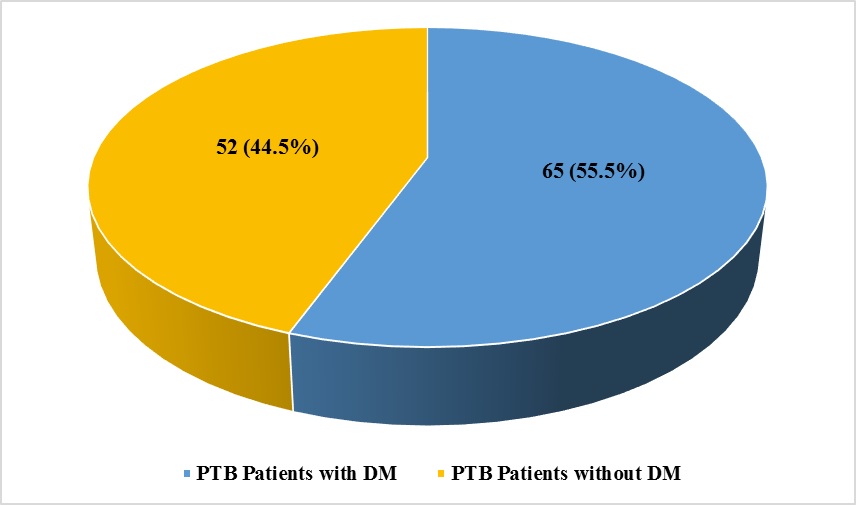
Fig. 1. Distribution of Diabetes Mellitus among Patients with Pulmonary Tuberculosis (n=117)
Table 2. Laboratory and Radiological findings of newly diagnosed PTB patients with DM and without DM
Table 3. Distribution of Glycated hemoglobin (HbA1c) levels among PTB patients with T2DM and without T2DM
Discussion
The number of DM cases receiving TB diagnoses is on the rise, and the reverse trend has also been observed. The increasing number of cases of DM is thought to be contributing to the spread of TB as one of the key biological mechanisms underlying this association [17]. DM creates a biological environment that facilitates the progression of latent TB infection to active TB disease. This is largely attributed to primarily due to immune system dysregulation, particularly impaired cytokine responses and chronic inflammation. Elevated glucose levels in hyperglycemic individuals support the growth and survival of MTB, while the accumulation of advanced glycation end products and chronic inflammation further increases host susceptibility to infection [18,19].
According to the current research, DM co-occurred in 55.5% of individuals with newly diagnosed TB, a higher prevalence was compared to previous Indian studies by Shamseeda A et al. (34.9%), Raaja S et al. (39%), and Pande T et al. (25.3%) all of which reported lower proportions than the present study [20-22]. Studies from Pakistan (39%), China (30%), and other South Indian states such as Karnataka (35%) and Kerala (32%), also documented lower rates [23-26]. Additionally, a global systematic study by Workneh M H et al. revealed significant heterogeneity in the DM prevalence in TB cases, ranging from 1.9% to 45% [27]. In the present study, 93.8% of TB–DM patients had HbA1c ≥ 6.5%, a finding consistent with the results reported by Pande T et al. [22]. The increased disease burden may be attributed to lifestyle-related factors such as obesity, overweight, an ageing population, a rice-based diet, and inadequate glycemic control. Moreover, India—often referred to as the “Diabetic Capital of the World”—reflects this heightened vulnerability [21].
The present study found a higher incidence of DM among TB patients aged 36-65 (62.4%) compared to those younger than 35 years (17.9%). Similar findings were reported by Viswanathan V et al (25.9%), Achanta et al. (47.8%), and Thapa B et al (54%), who demonstrated an independent association between increasing age and a higher incidence of DM among TB patients [12,28,29]. Therefore, the increased risk with age may be attributed to age-related declines in immune function and glucose tolerance, which collectively increase susceptibility to both TB and DM [22].
In this study, male TB patients showed a higher incidence of T2DM (40.2%) compared to female patients (11.9%), which is consistent with the findings reported by Raghuraman et al. (62.2%) and Raaja S et al. (40.3%) [15,24]. Lifestyle factors—including alcohol consumption, tobacco use, and smoking—may contribute to this difference. However, some studies, such as those by Workneh M. H et al. (54.1%) and Gadallah et al. (14.9%), reported a higher prevalence of DM among females [27,30], possibly due to the influence of oestrogen on cytokine production during TB infection [30,31].
Our findings showed that most TB patients with DM were overweight (29.1%), while those without DM were commonly underweight (33.3%). Similar trends were reported by Alisjahbana B et al (21.1%), who demonstrated a link between higher BMI and TB–DM coexistence, and lower BMI and TB susceptibility [32]. It has been shown that rapid weight gain increases the risk of TB and predisposes individuals to DM. Furthermore, some people with normal body composition may possess a genetic susceptibility to diabetes mellitus at low BMI [33,34].
This study found a high prevalence of mild to moderate anaemia (74.3%) among TB patients, compared to 2.6% who had severe anaemia in females without DM. Similarly, Pande T et al. reported mild to moderate anaemia in 70% and severe anaemia in 2% of TB cases [22]. Anaemia is more common in TB patients and linked to increased mortality, recurrence, and delayed sputum conversion, mainly due to aberrant erythropoiesis resulting from heightened inflammation and nutritional deficiencies, which contribute to TB-associated anaemia [35].
This study has certain limitations. It was conducted at a single tertiary care centre, which limits the generalizability of results to other South Indian regions. Importantly, PTB treatment outcomes such as sputum conversion rates, relapses, or mortality were not assessed due to limited follow-up data. Additionally, data on long-term glycaemic control and its impact on TB progression were unavailable. Hence, prospective multicentric studies with extended follow-up are warranted to validate and expand these findings.
Conclusion
This study found that in patients with newly diagnosed TB, the prevalence of DM was notably high at 55.5%. Given that over half of DM cases in newly diagnosed TB patients may remain undetected, it is advised that DM screening for TB patients be strengthened. It is critically crucial to ensure the successful management of DM and to conduct routine, active screening for its complications and TB relapse even after the conclusion of TB therapy, since the long-term prognosis of patients with both TB and DM depends greatly on the efficacy of DM treatment. In addressing the growing issue of the dual burden of TB and DM, these actions would not only help advance the End-TB Strategy but also contribute to the attainment of the Sustainable Development Goals, especially those related to TB elimination.
Acknowledgments
The authors gratefully acknowledge SRM Medical College Hospital and Research Centre, Faculty of Medicine and Health Sciences, SRM Institute of Science and Technology (SRMIST), Kattankulathur, for permitting access to retrospective patient records for the conduct of this study.
Conflict of interest
None declared.
Funding
None.
Ethical Considerations
This retrospective study was conducted in accordance with the Institutional Ethical Committee of SRM Medical College Hospital and Research Centre, SRMIST, Kattankulathur. As this research involved the analysis of previously collected clinical data, no direct patient contact or intervention was required. The need for informed consent was waived by the Ethics Committee due to the retrospective nature of the study and the use of anonymised records. All data were de-identified before analysis to ensure the privacy and confidentiality of patient information. Access to patient records was restricted to authorised research personnel, and all data were handled in compliance with institutional data-protection policies.
Code of Ethics
The study was approved by the Institutional Ethical Committee of SRM Medical College Hospital and Research Centre (Approval No.:8714/IEC/2023)
Authors' Contributions
Pavithra Selvan: Conceptualization, Data curation, Formal analysis, Writing original draft; Nalini Jayanthi Nagesh: Supervision, Visualisation; Kakithakara Vajravelu Leela: Validation, Supervision.
Full-Text: (17 Views)
Introduction
Tuberculosis (TB) is a persistent infectious disease caused by Mycobacterium tuberculosis (MTB) [1]. According to estimates from the World Health Organization (WHO), 10.6 million people worldwide were diagnosed with TB in 2022. Including 1.3 million children, 3.5 million women, and 5.8 million males [2]. As per the WHO Global TB Report, India accounted for 27% of the global TB burden, with approximately 2.8 million cases reported in 2022 and contributing to 29% of all TB-related deaths worldwide[3].
Diabetes mellitus (DM) is known to significantly impair the body's immune system, making individuals more susceptible to various infections, including TB [4]. The International Diabetes Federation estimates that between 2019 and 2045, the global prevalence of diabetes will increase by approximately 50%, with a median rise of 99% in countries with a high TB burden, potentially contributing to over 4 million deaths [5]. However, DM is expected to affect around 642 million people worldwide by 2040, with 80% of those affected living in low- and middle-income nations where TB is also highly prevalent [6]. Currently, there are more individuals with both DM and TB worldwide than people living with HIV. Alongside TB, DM is becoming more common. This poses a substantial threat to the progress achieved over decades in global TB control efforts and reduces the expected benefits of intensified TB interventions [7].
The risk of developing active TB is approximately three times higher in patients with DM. Approximately 15% of global TB cases are attributable to DM [7,8]. Among individuals affected by both TB and DM, the likelihood of relapse, poor therapeutic response, and early emergence of drug-resistant TB is significantly increased [9]. Moreover, in susceptible individuals, TB can worsen pre-existing insulin resistance and further impair glycemic control in those with DM [7]. Furthermore, drug interactions between DM and TB medications may decrease their effectiveness, raising the risk of uncontrolled glycemia and TB treatment failure [10]. This double burden therefore imposes a substantial impact on healthcare systems, families, communities, and individuals. There are notable variations in the incidence of DM among TB patients, as per recent research. This variation varies from approximately 50% in certain Indian studies to approximately 30% in Mexico, less than 10% in the United States, and even lower rates reported in China, Spain, and Africa [11-14].
A framework for the management and control of DM and TB was developed by the WHO in partnership with the International :union: against Tuberculosis and Lung Disease (IUATLD) in response to the dual global. The framework places strong emphasis on the continued implementation of bi-directional screening for both diseases. Consequently, it is highly recommended that primary healthcare facilities in all countries establish DM surveillance programs for patients with TB [15]. Accordingly, the purpose of the current study is to ascertain the prevalence of DM in adult TB patients newly diagnosed and being treated at a tertiary care facility in South India. A review of the demographic traits associated with the higher incidence of TB and DM in adult patients is carried out as well in this study.
Materials and Methods
A Retrospective cross-sectional study was conducted in the Department of Respiratory Medicine, SRM Medical College Hospital and Research Centre, Kattankulathur, Tamil Nadu, between January 2023 and December 2023. The study was based entirely on pre-existing hospital and laboratory records; therefore, additional patient consent was not required.
The study included adult patients aged ≥18 - 75 years who were newly diagnosed with Pulmonary Tuberculosis (PTB), irrespective of Type 2 Diabetes Mellitus (T2DM). The diagnosis of T2DM was confirmed in accordance with the 2023 American Diabetes Association (ADA) guidelines [16].
Microbiological Evidence: Positive findings for Gene Xpert MTB/RIF assay (Cepheid Inc., Sunnyvale, CA, USA) and acid-fast bacilli (AFB) on Ziehl–Neelsen staining.
Radiological Findings: Chest X-ray or Computed Tomography (CT) showing lesions suggestive of active PTB infection.
Clinical Correlation: Typical clinical presentation consistent with PTB infection.
Exclusion criteria included pregnant women, type 1 DM, gestational DM, and other specific types of diabetes, paediatric TB patients, extra-pulmonary TB cases, those who had received anti-TB treatment, and incomplete clinical or laboratory data.
Data was extracted from patient case records using a structured data collection sheet. The following variables were recorded. It included demographic information (age, sex, and BMI); behavioural information (smoking, alcohol and/or tobacco use, family history of diabetes, contact with TB patients, and other comorbidities); radiological findings and microbiological results.
Glycemic status was determined based on glycated hemoglobin (HbA1c) levels measured using an automated analyzer (BIORAD D-10 Hemoglobin Testing System, Bio-Rad Laboratories, Hercules, CA, USA), following ADA (2023) guidelines [16]:
Tuberculosis (TB) is a persistent infectious disease caused by Mycobacterium tuberculosis (MTB) [1]. According to estimates from the World Health Organization (WHO), 10.6 million people worldwide were diagnosed with TB in 2022. Including 1.3 million children, 3.5 million women, and 5.8 million males [2]. As per the WHO Global TB Report, India accounted for 27% of the global TB burden, with approximately 2.8 million cases reported in 2022 and contributing to 29% of all TB-related deaths worldwide[3].
Diabetes mellitus (DM) is known to significantly impair the body's immune system, making individuals more susceptible to various infections, including TB [4]. The International Diabetes Federation estimates that between 2019 and 2045, the global prevalence of diabetes will increase by approximately 50%, with a median rise of 99% in countries with a high TB burden, potentially contributing to over 4 million deaths [5]. However, DM is expected to affect around 642 million people worldwide by 2040, with 80% of those affected living in low- and middle-income nations where TB is also highly prevalent [6]. Currently, there are more individuals with both DM and TB worldwide than people living with HIV. Alongside TB, DM is becoming more common. This poses a substantial threat to the progress achieved over decades in global TB control efforts and reduces the expected benefits of intensified TB interventions [7].
The risk of developing active TB is approximately three times higher in patients with DM. Approximately 15% of global TB cases are attributable to DM [7,8]. Among individuals affected by both TB and DM, the likelihood of relapse, poor therapeutic response, and early emergence of drug-resistant TB is significantly increased [9]. Moreover, in susceptible individuals, TB can worsen pre-existing insulin resistance and further impair glycemic control in those with DM [7]. Furthermore, drug interactions between DM and TB medications may decrease their effectiveness, raising the risk of uncontrolled glycemia and TB treatment failure [10]. This double burden therefore imposes a substantial impact on healthcare systems, families, communities, and individuals. There are notable variations in the incidence of DM among TB patients, as per recent research. This variation varies from approximately 50% in certain Indian studies to approximately 30% in Mexico, less than 10% in the United States, and even lower rates reported in China, Spain, and Africa [11-14].
A framework for the management and control of DM and TB was developed by the WHO in partnership with the International :union: against Tuberculosis and Lung Disease (IUATLD) in response to the dual global. The framework places strong emphasis on the continued implementation of bi-directional screening for both diseases. Consequently, it is highly recommended that primary healthcare facilities in all countries establish DM surveillance programs for patients with TB [15]. Accordingly, the purpose of the current study is to ascertain the prevalence of DM in adult TB patients newly diagnosed and being treated at a tertiary care facility in South India. A review of the demographic traits associated with the higher incidence of TB and DM in adult patients is carried out as well in this study.
Materials and Methods
A Retrospective cross-sectional study was conducted in the Department of Respiratory Medicine, SRM Medical College Hospital and Research Centre, Kattankulathur, Tamil Nadu, between January 2023 and December 2023. The study was based entirely on pre-existing hospital and laboratory records; therefore, additional patient consent was not required.
The study included adult patients aged ≥18 - 75 years who were newly diagnosed with Pulmonary Tuberculosis (PTB), irrespective of Type 2 Diabetes Mellitus (T2DM). The diagnosis of T2DM was confirmed in accordance with the 2023 American Diabetes Association (ADA) guidelines [16].
Microbiological Evidence: Positive findings for Gene Xpert MTB/RIF assay (Cepheid Inc., Sunnyvale, CA, USA) and acid-fast bacilli (AFB) on Ziehl–Neelsen staining.
Radiological Findings: Chest X-ray or Computed Tomography (CT) showing lesions suggestive of active PTB infection.
Clinical Correlation: Typical clinical presentation consistent with PTB infection.
Exclusion criteria included pregnant women, type 1 DM, gestational DM, and other specific types of diabetes, paediatric TB patients, extra-pulmonary TB cases, those who had received anti-TB treatment, and incomplete clinical or laboratory data.
Data was extracted from patient case records using a structured data collection sheet. The following variables were recorded. It included demographic information (age, sex, and BMI); behavioural information (smoking, alcohol and/or tobacco use, family history of diabetes, contact with TB patients, and other comorbidities); radiological findings and microbiological results.
Glycemic status was determined based on glycated hemoglobin (HbA1c) levels measured using an automated analyzer (BIORAD D-10 Hemoglobin Testing System, Bio-Rad Laboratories, Hercules, CA, USA), following ADA (2023) guidelines [16]:
- Normoglycemia: HbA1c < 5.7%
- Prediabetes: HbA1c 5.7-6.4%
- Diabetes (T2DM): HbA1c ≥ 6.5%
IBM SPSS Statistics software (Version 23.0, IBM Corp., Chicago, IL, USA) was used for data entry and analysis. Descriptive statistics were used to summarise baseline characteristics. The Chi-square test was applied to compare categorical variables between PTB patients with and without T2DM. To identify the factors associated with DM among PTB patients, univariate and multivariate binary logistic regressions were used to calculate the prevalence odds ratio. Variables with p < 0.20 in the univariate analysis were entered into the multivariate model. A p-value ≤ 0.05 was considered the cut-off point for statistical significance, along with a 95% Confidence Interval (CI).
Results
General Characteristics of Newly Diagnosed PTB Patients: A total of 3127 suspected PTB cases were hospitalised in the respiratory medicine ward. Among them, 117 (3.7%) were newly diagnosed with PTB, and it has been identified that 13 patients (11.1%) were
found to have a family history of TB. Of these patients,65 (55.6%) had coexisting T2DM, while 52 (44.5%) did not (Fig. 1). Among the 65 PTB patients with T2DM, 21 (32.4%) had a known family history of T2DM, while 44 (67.6%) were newly diagnosed with T2DM. The gender distribution was comparable across the two groups, with males predominating in both individuals with T2DM (40.1%) and without T2DM (31.6%), and no statistically significant difference was noted (p=0.890). The median age of participants was 56 years (Inter Quartile Range (IQR): 38.7-62), and a higher proportion of the patients were in the 56–65-year age group (29.9%). Analysis of body mass index (BMI) showed that underweight status (< 18.4 kg/m²) was more common among PTB patients without T2DM (38.5%). Conversely, obesity (> 30 kg/m²) was more frequently observed among PTB patients with T2DM (10.3%).
Results
General Characteristics of Newly Diagnosed PTB Patients: A total of 3127 suspected PTB cases were hospitalised in the respiratory medicine ward. Among them, 117 (3.7%) were newly diagnosed with PTB, and it has been identified that 13 patients (11.1%) were
found to have a family history of TB. Of these patients,65 (55.6%) had coexisting T2DM, while 52 (44.5%) did not (Fig. 1). Among the 65 PTB patients with T2DM, 21 (32.4%) had a known family history of T2DM, while 44 (67.6%) were newly diagnosed with T2DM. The gender distribution was comparable across the two groups, with males predominating in both individuals with T2DM (40.1%) and without T2DM (31.6%), and no statistically significant difference was noted (p=0.890). The median age of participants was 56 years (Inter Quartile Range (IQR): 38.7-62), and a higher proportion of the patients were in the 56–65-year age group (29.9%). Analysis of body mass index (BMI) showed that underweight status (< 18.4 kg/m²) was more common among PTB patients without T2DM (38.5%). Conversely, obesity (> 30 kg/m²) was more frequently observed among PTB patients with T2DM (10.3%).
Fig. 1. Distribution of Diabetes Mellitus among Patients with Pulmonary Tuberculosis (n=117)
Comorbidities such as hypertension, chronic kidney disease, and coronary artery disease were more commonly observed in PTB patients with T2DM, whereas airway disease was equally prevalent (12.8%) in both groups. However, these differences were not statistically significant (p=0.114). Cough was the most prevalent symptom (88.9%), followed by fever (61.5%) and weight loss (55.6%). In this study, smoking (34.2%) and alcohol consumption (25.6%) were the most common habits among PTB patients. However, no significant differences were noted between the PTB groups, regardless of T2DM status in smoking, alcohol use, tobacco chewing and no habits (0.962). A significant difference was observed in haemoglobin levels between the groups (p= 0.018*). Table 1 presents the demographic characteristics and other baseline parameters of newly diagnosed PTB cases with and without T2DM.
Table 1. Demographic characteristics of PTB patients with and without T2DM
| Characteristics | Overall (n=117) |
PTB patients with DM (n=65) | PTB patients without DM (n=52) | OR (95% of CI) |
P-value | |
| Gender | Male | 84 (71.7%) | 47 (40.1%) | 37 (31.6%) | 1.06 (0.47-2.38) | 0.890 |
| Female | 33 (28.3%) | 18 (15.4%) | 15 (12.9%) | 0.95 (0.42-2.13) | ||
| Age in years | 18-25 | 10 (8.5%) | 4 (3.5%) | 6 (5.1%) | 0.56 (0.15-2.11) | 0.165 |
| 26-35 | 11 (9.4%) | 6 (5.1%) | 5 (4.3%) | 1.07 (0.31-3.73) | ||
| 36-45 | 17 (14.5%) | 11 (9.4%) | 6 (5.1%) | 1.76 (0.60-5.13) | ||
| 46-55 | 21(17.9%) | 12 (10.3%) | 9 (7.6%) | 1.23 (0.47-3.18) | ||
| 56-65 | 35 (29.9%) | 22 (33.8%) | 13 (25%) | 1.78 (0.79-4.00) | ||
| 66-75 | 23 (19.7%) | 7 (10.7%) | 16 (30.8%) | 0.31 (0.12-0.83) | ||
| Median (IQR) Age, years | 56 (38.7-62) years | |||||
| Body Mass Index (BMI) | Under weight (<18.4 kg/m²) | 45 (38.5%) | 6 (5.1%) | 39 (33.3%) | 0.03 (0.01-0.09) | 2.325 |
| Normal (18.5 kg/m² –24.9 kg/m²) | 23 (19.6%) | 13 (11.2%) | 10 (8.5%) | 1.05 (0.42-2.63) | ||
| Overweight (25 kg/m² – 29.9 kg/m²) | 37 (31.7%) |
34 (29.1%) | 3 (2.5%) | 17.91 (5.06-63.36) | ||
| Obese (>30 kg/m²) | 12 (10.2%) | 12 (10.3%) | 0 (0%) | - | ||
| Other Underlying Conditions n (%) | Hypertension | 22 (18.8%) | 19 (16.2%) | 3 (2.6%) | 4.86 (1.28-18.42) | 0.114 |
| Cardiovascular disease | 3 (2.5%) | 2 (1.7%) | 1 (0.8%) | 1.06 (0.09-12.32) | ||
| Chronic Kidney Disease | 9 (7.6%) | 6 (5.1%) | 3 (2.6%) | 1.07 (0.24-4.68) | ||
| Airway disease | 30 (25.6%) | 15 (12.8%) | 15 (12.8%) | 0.32 (0.12-0.87) | ||
| Cirrhosis | 2 (1.7%) | 0 (%) | 2 (1.7%) | NA | ||
| Autoimmune disease | 1 (0.8%) | 1 (0.8%) | 0 (%) | NA | ||
| HIV | 1 (0.8%) | 1 (0.8%) | 0 (%) | NA | ||
| HBsAg | 2 (1.7%) | 1 (0.8%) | 1 (0.8%) | 0.52 (0.03-8.68) | ||
| Coronary Artery Disease | 5 (4.3%) | 4 (3.4%) | 1 (0.8%) | 2.22(0.24-20.98) | ||
| Symptoms n (%) | Cough | 104(88.9%) | 59 (50.4%) | 45 (38.5%) | 2.98 (1.38-6.69) | 0.536 |
| Fever | 72 (61.5%) | 41 (35%) | 31 (26.5%) | 1.78 (0.91-3.48) | ||
| Weight loss | 65 (55.6%) | 39 (33.3%) | 26 (22.2%) | 2.13 (1.08-4.19) | ||
| Breathlessness | 50 (42.7%) | 23 (19.7%) | 27 (23.1%) | 0.78(0.39-1.56) | ||
| Hemoptysis | 20 (17.1%) | 14 (12%) | 6 (5.1%) | 2.67(0.96-7.41) | ||
| Chest discomfort | 56 (47.9%) | 28 (23.9%) | 28 (23.9%) | 1.00(0.51-1.97) | ||
| Vomiting | 13 (11.1%) | 8 (6.8%) | 5 (4.3%) | 1.68(0.58-5.41) | ||
| Habits n (%) | Smoking | 40 (34.2%) | 23 (19.7%) | 17 (14.5%) | 1.53(0.73-3.20) | 0.962 |
| Alcohol | 30 (25.6%) | 16 (13.7%) | 14 (12%) | 1.19(0.53-2.66) | ||
| Tobacco chewing | 3 (2.6%) | 2 (1.7%) | 1 (0.8%) | 2.03(0.18-22.91) | ||
| No habits | 44 (37.6%) | 24 (20.5%) | 20 (17.1%) | 1.30(0.64-2.67) | ||
| Hemoglobin levels g/dL n (%) | Severe anemia (<7 g/dL) | 3 (2.6%) | 0 (0%) | 3 (2.6%) | 0.05(0.00-1.14) | 0.018* |
| Mild to moderate anemia (7±12.9 g/dL) | 87 (74.3%) | 45 (38.5%) | 42 (35.9%) | 0.37(0.14-0.98) | ||
| Normal (>13 g/dL) | 27 (23.2%) | 20 (17.1%) | 7 (5.9%) | 2.85(1.10-7.39) | ||
Note: The p-value <0.05* was taken as significant.
Abbreviations: PTB: Pulmonary Tuberculosis; DM: Diabetes Mellitus; T2DM: Type 2 Diabetes Mellitus; BMI: Body Mass Index; HIV: Human Immunodeficiency Virus; HbA1c: Glycated hemoglobin; OR: Odds Ratio; CI: Confidence Interval
Abbreviations: PTB: Pulmonary Tuberculosis; DM: Diabetes Mellitus; T2DM: Type 2 Diabetes Mellitus; BMI: Body Mass Index; HIV: Human Immunodeficiency Virus; HbA1c: Glycated hemoglobin; OR: Odds Ratio; CI: Confidence Interval
Laboratory and Radiological Findings: Among the 117 patients diagnosed with PTB, Gene Xpert MTB/RIF assay-positive were reported in 99 (84.6%) PTB cases, and this higher incidence was not statistically significant (p-value = 0.169). Rifampicin resistance was detected in 14 (12%) overall PTB cases, with a higher proportion among PTB patients without T2DM (7.6%) compared to PTB patients with T2DM (4.3%). AFB smear positivity was observed more frequently in PTB patients with T2DM (21.4%) than in PTB patients without T2DM (12%). The radiological findings revealed that consolidation of 50 (42.7%), followed by tree-in-bud signs of 39 (33.3%), were the most predominant observations reported. The lower lung lesions were significantly more prevalent in PTB patients with T2DM (19.7%) than in PTB patients without diabetes (4.3%). Importantly, the overall radiological pattern differed significantly between groups (p = 0.0032*), suggesting that PTB patients with T2DM may present with more extensive or atypical lung involvement, particularly lower zone lesions and consolidative patterns (Table 2).
Table 2. Laboratory and Radiological findings of newly diagnosed PTB patients with DM and without DM
| Characteristics | Overall (n=117) |
PTB Patients with DM (n=65) | PTB Patients without DM (n=52) | OR (95% of CI) |
P-value | |
| Sputum Study, (n%) | CBNAAT | 99 (84.6%) | 59 (50.4%) | 40 (34.2%) | 2.16 (1.21-3.86) |
0.1696 |
| Rifampicin resistance | 14 (12%) | 5 (4.3%) | 9 (7.6%) | 0.31 (0.08-1.14) |
||
| AFB Positive | 39 (33.4%) | 25 (21.4%) | 14 (12%) | 1.36 (0.63-2.91) |
||
| Radiological Findings (n%) | Upper lung zone lesion | 18 (15.4%) | 11 (9.4%) | 7 (5.9%) | 1.06 (0.37-3.05) |
0.0032* |
| Lower lung zone lesion | 27 (23.1%) | 23 (19.7%) | 4 (3.4%) | 5.88 (1.88-18.3) |
||
| Consolidation | 50 (42.7%) | 30 (25.6%) | 20 (17.1%) | 1.52 (0.68-3.37) |
||
| Cavity lesion | 11 (9.4%) | 9 (7.6%) | 2 (1.7%) | 3.05 (0.60-15.6) |
||
| Pleural effusion | 12 (10.3%) | 3 (2.5%) | 9 (7.6%) | 0.18 (0.04-0.77) |
||
| Tree-in-bud sign | 39 (33.3%) | 22 (18.8%) | 17 (14.5%) | 0.93 (0.42-2.05) |
||
| Cavity lesion with Consolidation | 10 (8.6%) | 7 (5.9%) |
3 (2.5%) | 1.62 (0.38-6.92) |
||
| Bronchiectasis | 3 (2.5%) | 2 (1.7%) | 1 (0.8%) | 1.37 (0.12-15.1) |
||
| Calcified granuloma | 2 (1.7%) | 0 (0%) | 2 (1.7%) | NA | ||
Note: The p-value <0.05* was taken as significant.
Abbreviations: CBNAAT: Cartridge-Based Nucleic Acid Amplification Test; AFB: Acid Fast Bacilli; OR: Odds Ratio; CI: Confidence Interval
Abbreviations: CBNAAT: Cartridge-Based Nucleic Acid Amplification Test; AFB: Acid Fast Bacilli; OR: Odds Ratio; CI: Confidence Interval
Occurrence of T2DM in PTB Patients: HbA1c assessment revealed that 52 (44.5%) had normoglycemia (HbA1c ≤ 5.6%), 4 (3.4%) were prediabetic (HbA1c 5.7–6.4%), and 61 (52.1%) had T2DM (HbA1c ≥ 6.5%). When stratified by gender, among 84 male PTB patients, 34 (29.1%) were normoglycemic, 3 (2.4%) were prediabetic, and 47 (40.2%) were classified as having T2DM. In contrast, among 33 female PTB patients, 18 (15.3%) had normoglycemia, 1 (0.9%) was prediabetic, and 14 (11.9%) were diagnosed with T2DM. Notably, among PTB patients with DM, the majority of them had HbA1c levels ≥ 6.5% (93.8%; n=61), with a higher prevalence in males (72.4%) than in females (21.5%). These findings highlight a substantially high prevalence of newly detected T2DM and impaired glycemic status among PTB patients, particularly in males, underscoring the importance of routine HbA1c screening for early detection and integrated management of TB–DM comorbidity (Table 3).
Table 3. Distribution of Glycated hemoglobin (HbA1c) levels among PTB patients with T2DM and without T2DM
| Characteristics | Overall (n=117) |
PTB Patients with DM (n=65) | PTB Patients without DM (n=52) | |
| Distribution of Glycated hemoglobin (HbA1c) levels | Normoglycemia - ≤ 5.6% | 52 (44.5%) | 0 (0%) | 52 (100%) |
| Prediabetes - 5.7% – 6.4% | 4 (3.4%) | 4 (6.2%) | 0 (0%) | |
| Diabetes (T2DM) - ≥ 6.5% | 61 (52.1%) | 61 (93.8%) | 0 (0%) | |
| Distribution of HbA1c levels among Male PTB patients (n=84) | Normoglycemia - ≤ 5.6% | 34 (29.1%) | 0 (0%) | 34 (65.4%) |
| Prediabetes - 5.7% – 6.4% | 3 (2.4%) | 3 (4.6%) | 0 (0%) | |
| Diabetes (T2DM) - ≥ 6.5% | 47 (40.2%) | 47 (72.4%) | 0 (0%) | |
| Distribution of HbA1c levels among Female PTB patients (n=33) | Normoglycemia - ≤ 5.6% | 18 (15.3%) | 0 (0%) | 18 (34.6%) |
| Prediabetes - 5.7% – 6.4% | 1 (0.9%) | 1 (1.5%) | 0 (0%) | |
| Diabetes (T2DM) - ≥ 6.5% | 14 (11.9%) | 14 (21.5%) | 0 (0%) | |
Note: The p-value <0.05* was taken as significant
Abbreviations: DM: Diabetes Mellitus; T2DM: Type 2 Diabetes Mellitus; HbA1c: Glycated hemoglobin; OR: Odds Ratio; CI: Confidence Interval
Abbreviations: DM: Diabetes Mellitus; T2DM: Type 2 Diabetes Mellitus; HbA1c: Glycated hemoglobin; OR: Odds Ratio; CI: Confidence Interval
Discussion
The number of DM cases receiving TB diagnoses is on the rise, and the reverse trend has also been observed. The increasing number of cases of DM is thought to be contributing to the spread of TB as one of the key biological mechanisms underlying this association [17]. DM creates a biological environment that facilitates the progression of latent TB infection to active TB disease. This is largely attributed to primarily due to immune system dysregulation, particularly impaired cytokine responses and chronic inflammation. Elevated glucose levels in hyperglycemic individuals support the growth and survival of MTB, while the accumulation of advanced glycation end products and chronic inflammation further increases host susceptibility to infection [18,19].
According to the current research, DM co-occurred in 55.5% of individuals with newly diagnosed TB, a higher prevalence was compared to previous Indian studies by Shamseeda A et al. (34.9%), Raaja S et al. (39%), and Pande T et al. (25.3%) all of which reported lower proportions than the present study [20-22]. Studies from Pakistan (39%), China (30%), and other South Indian states such as Karnataka (35%) and Kerala (32%), also documented lower rates [23-26]. Additionally, a global systematic study by Workneh M H et al. revealed significant heterogeneity in the DM prevalence in TB cases, ranging from 1.9% to 45% [27]. In the present study, 93.8% of TB–DM patients had HbA1c ≥ 6.5%, a finding consistent with the results reported by Pande T et al. [22]. The increased disease burden may be attributed to lifestyle-related factors such as obesity, overweight, an ageing population, a rice-based diet, and inadequate glycemic control. Moreover, India—often referred to as the “Diabetic Capital of the World”—reflects this heightened vulnerability [21].
The present study found a higher incidence of DM among TB patients aged 36-65 (62.4%) compared to those younger than 35 years (17.9%). Similar findings were reported by Viswanathan V et al (25.9%), Achanta et al. (47.8%), and Thapa B et al (54%), who demonstrated an independent association between increasing age and a higher incidence of DM among TB patients [12,28,29]. Therefore, the increased risk with age may be attributed to age-related declines in immune function and glucose tolerance, which collectively increase susceptibility to both TB and DM [22].
In this study, male TB patients showed a higher incidence of T2DM (40.2%) compared to female patients (11.9%), which is consistent with the findings reported by Raghuraman et al. (62.2%) and Raaja S et al. (40.3%) [15,24]. Lifestyle factors—including alcohol consumption, tobacco use, and smoking—may contribute to this difference. However, some studies, such as those by Workneh M. H et al. (54.1%) and Gadallah et al. (14.9%), reported a higher prevalence of DM among females [27,30], possibly due to the influence of oestrogen on cytokine production during TB infection [30,31].
Our findings showed that most TB patients with DM were overweight (29.1%), while those without DM were commonly underweight (33.3%). Similar trends were reported by Alisjahbana B et al (21.1%), who demonstrated a link between higher BMI and TB–DM coexistence, and lower BMI and TB susceptibility [32]. It has been shown that rapid weight gain increases the risk of TB and predisposes individuals to DM. Furthermore, some people with normal body composition may possess a genetic susceptibility to diabetes mellitus at low BMI [33,34].
This study found a high prevalence of mild to moderate anaemia (74.3%) among TB patients, compared to 2.6% who had severe anaemia in females without DM. Similarly, Pande T et al. reported mild to moderate anaemia in 70% and severe anaemia in 2% of TB cases [22]. Anaemia is more common in TB patients and linked to increased mortality, recurrence, and delayed sputum conversion, mainly due to aberrant erythropoiesis resulting from heightened inflammation and nutritional deficiencies, which contribute to TB-associated anaemia [35].
This study has certain limitations. It was conducted at a single tertiary care centre, which limits the generalizability of results to other South Indian regions. Importantly, PTB treatment outcomes such as sputum conversion rates, relapses, or mortality were not assessed due to limited follow-up data. Additionally, data on long-term glycaemic control and its impact on TB progression were unavailable. Hence, prospective multicentric studies with extended follow-up are warranted to validate and expand these findings.
Conclusion
This study found that in patients with newly diagnosed TB, the prevalence of DM was notably high at 55.5%. Given that over half of DM cases in newly diagnosed TB patients may remain undetected, it is advised that DM screening for TB patients be strengthened. It is critically crucial to ensure the successful management of DM and to conduct routine, active screening for its complications and TB relapse even after the conclusion of TB therapy, since the long-term prognosis of patients with both TB and DM depends greatly on the efficacy of DM treatment. In addressing the growing issue of the dual burden of TB and DM, these actions would not only help advance the End-TB Strategy but also contribute to the attainment of the Sustainable Development Goals, especially those related to TB elimination.
Acknowledgments
The authors gratefully acknowledge SRM Medical College Hospital and Research Centre, Faculty of Medicine and Health Sciences, SRM Institute of Science and Technology (SRMIST), Kattankulathur, for permitting access to retrospective patient records for the conduct of this study.
Conflict of interest
None declared.
Funding
None.
Ethical Considerations
This retrospective study was conducted in accordance with the Institutional Ethical Committee of SRM Medical College Hospital and Research Centre, SRMIST, Kattankulathur. As this research involved the analysis of previously collected clinical data, no direct patient contact or intervention was required. The need for informed consent was waived by the Ethics Committee due to the retrospective nature of the study and the use of anonymised records. All data were de-identified before analysis to ensure the privacy and confidentiality of patient information. Access to patient records was restricted to authorised research personnel, and all data were handled in compliance with institutional data-protection policies.
Code of Ethics
The study was approved by the Institutional Ethical Committee of SRM Medical College Hospital and Research Centre (Approval No.:8714/IEC/2023)
Authors' Contributions
Pavithra Selvan: Conceptualization, Data curation, Formal analysis, Writing original draft; Nalini Jayanthi Nagesh: Supervision, Visualisation; Kakithakara Vajravelu Leela: Validation, Supervision.
References
1. Alturki S, Al Amad M, Mahyoub E, Al Hanash N, Alhammadi A. Prevalence of Diabetes Mellitus among Patients with Tuberculosis and Its Associated Factors in Sana'a, Yemen, 2021. Epidemiologia (Basel, Switzerland). 2023;4(2):202-11. [DOI] [PMID] [PMCID]
2. World Health Organization. Tuberculosis. Geneva, Switzerland: World Health Organization; 2024.
3. World Health Organization. Global Tuberculosis Report 2023. Geneva, Switzerland: World Health Organization; 2023.
4. Foe-Essomba JR, Kenmoe S, Tchatchouang S, Ebogo-Belobo JT, Mbaga DS, Kengne-Ndé C, et al. Diabetes mellitus and tuberculosis, a systematic review and meta-analysis with sensitivity analysis for studies comparable for confounders. PLoS One. 2021;16(12):e0261246. [DOI] [PMID] [PMCID]
5. Gautam S, Shrestha N, Mahato S, Nguyen TPA, Mishra SR, Berg-Beckhoff G. Diabetes among tuberculosis patients and its impact on tuberculosis treatment in South Asia: a systematic review and meta-analysis. Sci Rep. 2021;11(1):2113. [DOI] [PMID] [PMCID]
6. Ekeke N, Ukwaja KN, Chukwu JN, et al. Screening for diabetes mellitus among tuberculosis patients in Southern Nigeria: a multi-centre implementation study under programme settings. Sci Rep. 2017;7:44205. [DOI] [PMID] [PMCID]
7. Araia ZZ, Mesfin AB, Mebrahtu AH, Tewelde AG, Osman R, Tuumzghi HA. Diabetes Mellitus and Its Associated Factors in Tuberculosis Patients in Maekel Region, Eritrea: Analytical Cross-Sectional Study. Diabetes Metab Syndr Obes. 2021;14:515-23. [DOI] [PMID] [PMCID]
8. Silva DR, Muñoz-Torrico M, Duarte R, Galvão T, Bonini EH, Arbex FF, et al. Risk factors for tuberculosis: diabetes, smoking, alcohol use, and the use of other drugs. J Bras Pneumol. 2018;44(2):145-52. [DOI] [PMID] [PMCID]
9. Lin Y, Harries A D, Kumar A M V, Critchley J A, van Crevel R, Owiti P, et al. Management of Diabetes Mellitus-Tuberculosis: A Guide to the Essential Practice. 1st ed. Paris, France: International :union: Against Tuberculosis and Lung Disease; 2019. [Report]
10. Lesnic E, Malic A, Tafuni O. The impact of diabetes mellitus on the anti-tuberculosis treatment outcome: a series of cases from the Republic of Moldova. Med Pharm Rep. 2021;94(3):325-32. [DOI] [PMID] [PMCID]
11. Wang Q, Ma A, Han X, Zhao S, Cai J, Ma Y, et al. Prevalence of type 2 diabetes among newly detected pulmonary tuberculosis patients in China: a community based cohort study. PLoS One. 2013;8(12):e82660. [DOI] [PMID] [PMCID]
12. Viswanathan V, Kumpatla S, Aravindalochanan V, Rajan R, Chinnasamy C, Srinivasan R, et al. Prevalence of diabetes and pre-diabetes and associated risk factors among tuberculosis patients in India. PLoS One. 2012;7(7):e41367. [DOI] [PMID] [PMCID]
13. Shidam UG, Roy G, Sahu SK, Kumar SV, Ananthanarayanan PH. Screening for diabetes among presumptive tuberculosis patients at a tertiary care centre in Pondicherry, India. Int J Tuberc Lung Dis. 2015;19(10):1163-8. [DOI] [PMID]
14. Moreno-Martínez A, Casals M, Orcau À, Gorrindo P, Masdeu E, Caylà JA, et al. Factors associated with diabetes mellitus among adults with tuberculosis in a large European city, 2000-2013. Int J Tuberc Lung Dis. 2015;19(12):1507-12. [DOI] [PMID]
15. Raghuraman S, Vasudevan KP, Govindarajan S, Chinnakali P, Panigrahi KC. Prevalence of Diabetes Mellitus among Tuberculosis Patients in Urban Puducherry. N Am J Med Sci. 2014;6(1):30-4. [DOI] [PMID] [PMCID]
16. American Diabetes Association. Standards of Care in Diabetes—2023 Abridged for Primary Care Providers. Clin Diabetes. 2023;41(1):4-31. [DOI] [PMID] [PMCID]
17. Sharma P, Visnegarwala F, Tripathi V. Burgeoning double burden of tuberculosis and diabetes in India: Magnitude of the problem – strategies and solutions. Clin Epidemiol Glob Health. 2014;2(3):107-16. [DOI]
18. Boadu AA, Yeboah-Manu M, Osei-Wusu S, Yeboah-Manu D. Tuberculosis and diabetes mellitus: The complexity of the comorbid interactions. Int J Infect Dis. 2024;146:107140. [DOI] [PMID]
19. Ferlita S, Yegiazaryan A, Noori N, Lal G, Nguyen T, To K, et al. Type 2 Diabetes Mellitus and Altered Immune System Leading to Susceptibility to Pathogens, Especially Mycobacterium tuberculosis. J Clin Med. 2019;8(12):2219. [DOI] [PMID] [PMCID]
20. Shamseeda A, Jayasree AK. Epidemiological profile of extrapulmonary tuberculosis and its association with diabetes in Tertiary Care Center in Northern Kerala. Int J Community Med Public Health. 2022;9(6):2590-5. [DOI]
21. Rajaa S, Krishnamoorthy Y, Knudsen S, Roy G, Ellner J, Horsburgh CR, et al. Prevalence and factors associated with diabetes mellitus among tuberculosis patients in South India-a cross-sectional analytical study. BMJ Open. 2021;11(10):e050542. [DOI] [PMID] [PMCID]
22. Pande T, Huddart S, Xavier W, Kulavalli S, Chen T, Pai M, et al. Prevalence of diabetes mellitus amongst hospitalized tuberculosis patients at an Indian tertiary care center: A descriptive analysis. PLoS One. 2018;13(7):e0200838. [DOI] [PMID] [PMCID]
23. Aftab H, Ambreen A, Jamil M, Garred P, Petersen JH, Nielsen SD, et al. High prevalence of diabetes and anthropometric heterogeneity among tuberculosis patients in Pakistan. Trop Med Int Health. 2017;22(4):465-73. [DOI] [PMID]
24. Mi F, Jiang G, Du J, Li L, Yue W, Harries AD, et al. Is resistance to anti-tuberculosis drugs associated with type 2 diabetes mellitus? A register review in Beijing, China. Glob Health Action. 2014;7:24022. [DOI] [PMID] [PMCID]
25. Aftab H, Ambreen A, Jamil M, Garred P, Petersen JH, Nielsen SD, et al. High prevalence of diabetes and anthropometric heterogeneity among tuberculosis patients in Pakistan. Trop Med Int Health. 2017;22(4):465-73. [DOI] [PMID]
26. Mi F, Jiang G, Du J, Li L, Yue W, Harries AD, et al. Is resistance to anti-tuberculosis drugs associated with type 2 diabetes mellitus? A register review in Beijing, China. Glob Health Action. 2014;7:24022. [DOI] [PMID] [PMCID]
27. Workneh MH, Bjune GA, Yimer SA. Prevalence and associated factors of tuberculosis and diabetes mellitus comorbidity: A systematic review. PLoS One. 2017;12(4):e0175925. [DOI] [PMID] [PMCID]
28. Achanta S, Tekumalla RR, Jaju J, Purad C, Chepuri R, Samyukta R, et al. Screening tuberculosis patients for diabetes in a tribal area in South India. Public Health Action. 2013;3(Suppl 1):S43-7. [DOI] [PMID] [PMCID]
29. Thapa B, Paudel R, Thapa P, Shrestha A, Poudyal A, Poudyal AK. Prevalence of diabetes among tuberculosis patients and associated risk factors in Kathmandu Valley. SAARC J Tuberc Lung Dis HIV AIDS. 2015;12(2):20-7. [DOI:10.3126/saarctb.v12i2.15951]
30. Gadallah M, Amin W, Fawzy M, Mokhtar A, Mohsen A. Screening for diabetes among tuberculosis patients: a nationwide population-based study in Egypt. Afr Health Sci. 2018;18(4):884-90. [DOI] [PMID] [PMCID]
31. Huber FG, Kristensen KL, Holden IK, Andersen PH, Bakir B, Jørgensen A, et al. The prevalence of diabetes among tuberculosis patients in Denmark. BMC Infect Dis. 2022;22(1):64. [DOI] [PMID] [PMCID]
32. Alisjahbana B, Sahiratmadja E, Nelwan EJ, Purwa AM, Ahmad Y, Ottenhoff TH, et al. The effect of type 2 diabetes mellitus on the presentation and treatment response of pulmonary tuberculosis. Clin Infect Dis. 2007;45(4):428-35. [DOI] [PMID]
33. Pizzol D, Di Gennaro F, Chhaganlal KD, Fabrizio C, Monno L, Putoto G, et al. Tuberculosis and diabetes: current state and future perspectives. Trop Med Int Health. 2016;21(6):694-702. [DOI] [PMID]
Send email to the article author
| Rights and permissions | |
 |
This work is licensed under a Creative Commons Attribution 4.0 International License. |