Journal of Occupational
Health and Epidemiology

Rafsanjan university Of medical sciences
Volume 15, Issue 2 (Spring 2026)
J Occup Health Epidemiol 2026, 15(2): 144-151 |
Back to browse issues page




Download citation:
BibTeX | RIS | EndNote | Medlars | ProCite | Reference Manager | RefWorks
Send citation to:


BibTeX | RIS | EndNote | Medlars | ProCite | Reference Manager | RefWorks
Send citation to:
Kaegar Shouroki F, Shamsaddini M R, Dehghani F. Association Between Shift Work, Neurocognitive Functioning, and Sleep Quality among Workers of Cement Industry in 2024. , J Occup Health Epidemiol. 2026; 15 (2) :144-151
URL: http://johe.rums.ac.ir/article-1-1115-en.html
URL: http://johe.rums.ac.ir/article-1-1115-en.html
Related article in
Google Scholar
Google Scholar
Similar articles


1- Assistant Prof., Industrial Diseases Research Center, Dept. of Occupational Health Engineering, School of Public Health, Shahid Sadoughi University of Medical Sciences, Yazd, Iran. , fkargar142@gmail.com
2- M.Sc. Student in HSE, Industrial Diseases Research Center, Department of HSE, School of Public Health, Shahid Sadoughi University of Medical Sciences, Yazd, Iran.
3- Associate Prof., Dept. of Psychology and Educational Sciences, Yazd University, Yazd, Iran.
2- M.Sc. Student in HSE, Industrial Diseases Research Center, Department of HSE, School of Public Health, Shahid Sadoughi University of Medical Sciences, Yazd, Iran.
3- Associate Prof., Dept. of Psychology and Educational Sciences, Yazd University, Yazd, Iran.
Article history

Received: 2025/10/24
Accepted: 2026/03/3
ePublished: 2026/06/30
Accepted: 2026/03/3
ePublished: 2026/06/30
Subject:
Occupational Health
Full-Text [PDF 309 kb]
(115 Downloads)
| Abstract (HTML) (330 Views)
Each component is scored from 0 (no difficulty) to 3 (severe difficulty). The global score is between 0 and 21. A higher score reflects poorer sleep quality. Scores of 0, 1, 2, and 3 on each scale represent normal, mild, moderate, and severe status, respectively. The cut-off score of this tool is 5, implying that a score greater than 5 indicates poor sleep quality [11, 33]. The validity and reliability of the questionnaire were confirmed in the study by Moghadam et al. [14] (Cronbach's alpha coefficient = 0.77).
The Adult Executive Functioning Inventory (ADEXI): This self-report scale, developed by Thorell and Holst, measures executive functions (working memory and inhibition). The instrument contains 14 items, each rated on a 5-point Likert scale ranging between 1 = completely false and 5 = completely true.
Scores for the working memory subscale (9 items) range from 9 to 45, while those for the inhibition subscale (5 items) range within 5 to 25, with the total executive functioning score ranging from 14 to 70. Higher total scores reflect greater self-reported executive function difficulties.
In Thorell and Holst’s, test–retest reliability ranged between 0.68 and 0.72, with internal consistency (Cronbach’s alpha) reported as 0.90 for working memory, 0.77 for inhibition, and 0.91 for the total score [34]. The validity and reliability of the questionnaire were confirmed in the study by Parhoon et al. [35].
Executive Skills Questionnaire (ESQ-R): This 25-item questionnaire appraises five executive skills: planning, time management, emotional regulation,
organization, and behavioral self-regulation.
Scoring is based on a Likert scale (never, sometimes, often, always), with scores ranging from 0 (never) to 3 (always). The validity and reliability of the tool have exhibited satisfactory psychometric properties in previous studies (Cronbach’s alpha for subscales 0.62–0.86; total score α = 0.91) [36, 37].
Cognitive Flexibility Inventory (CFI) by Dennis and Vander Wal: This 20-item instrument, developed by Dennis and Vander Wal (2010), measures cognitive flexibility across three domains: i) the perception of controllable situations, ii) the generation of alternative explanations for events, and iii) the production of alternative solutions to problems. Responses are recorded on a 7-point Likert scale (1 = strongly disagree to 7 = strongly agree). The total score ranges from 20 to 140, with higher scores revealing greater cognitive flexibility. Studies have reported high degree of construct validity and high internal consistency for the Farsi version (Cronbach’s α = 0.88–0.91) [38-40].
Data were analyzed using SPSS software (version 22). Continuous variables are presented as mean ± standard deviation, and categorical variables as frequencies (percentages). For continuous variables (CFI, PSQI, ESQ-R, ADEXI) and categorical variables (education level), independent samples t-test and Chi-square test were employed, respectively. Relationships between key variables were inspected using Pearson’s correlation coefficient. A p-value of less than 0.05 was considered statistically significant.
Results
The demographic characteristics of the studied subjects are reported in Table 1. According to the table, no significant differences were found between the day and shift workers regarding age (35.55 ± 7.51 vs. 36.87 ± 6.89 years, p = 0.20), work experience (13.06 ± 5.21 vs. 12.39 ± 4.57 years, p = 0.33), BMI (25.52 ± 3.07 vs. 25.28 ± 3.45 kg/m², p = 0.60), and education level (p = 0.47). All participants were male and non-smoker.
Table 2. Mean score of sleep quality and its subscales in the study groups
Table 3. Categorization of sleep quality in the study groups
Table 4. Mean scores of executive functions in the study groups
Table 5. Mean scores of executive skills in the study groups
Table 6. Mean scores of cognitive flexibility in the study groups
Table 7. Correlation coefficients between different variables
Full-Text: (24 Views)
Introduction
Cement is a fundamental material for global infrastructure, which is essential for concrete production, housing, and industrial development. Workers are routinely exposed to hazards such as high temperature, excessive noise, heavy machinery, chemicals, and dust, which heighten the risk of workplace incidents, and chronic health problems. While the physical and chemical health risks in this sector are well-documented, the neurocognitive impact of shift work remains less explored, particularly within this specific industrial environment [1].
Shift work, including evening, night, morning shifts as well as fixed or rotating schedules is an essential component of many industries, such as healthcare, transportation, and manufacturing [2, 3]. It has been reported that shift work is associated with adverse effects on different physiological systems, including the gastrointestinal, cardiovascular, reproductive, and nervous systems. Moreover, gastric ulcers, breast cancer, metabolic syndrome, diabetes, dyslipidemia, and obesity have also been reported as a result of shift work [4-6].
Sleep deprivation, as a consequence of shift work, is linked to mood disturbances, impaired motor function, diminished communication and learning abilities [7-9], diminished decision making, decreased protective health behaviors [9-11], cognitive problems [1, 3, 8, 12-15], as well as adverse effects on reaction time [16, 17], accuracy [18], attention [6, 17, 19], and memory [6, 20]. Such impairments can lower work quality and productivity while elevating the likelihood of accidents and errors [21]. An increased 15% and 28% risk of accidents has been reported during evening and night shifts, compared to day shifts [7]. Long working hours are also tied to a higher prevalence of depression, anxiety [22, 23], fatigue, and error rates [3, 24-27].
Concerns have increased regarding the health effects of shift work, particularly its cognitive problems and its potential to decrease executive functions. Cognitive performance refers to the brain’s ability to process and retain information, make decisions, solve problems, and perform daily tasks. Several mental functions tests such as attention, memory, processing speed, and executive functioning have been employed to ascertain the cognitive effects caused by shift work [1, 11]. Executive functions (including inhibition, and working memory), which are linked to the prefrontal cortex, are known to be responsible for goal-setting, planning, decision-making, and impulse control [11, 28, 29].
Possible mechanisms underlying impaired executive functions related to shift work are not clear. Some studies have noted that sleep disruption caused by shift work leads to diminished glucose metabolism in the prefrontal cortex (PFC), which is a key structure for executive functions [30].
Since executive and cognitive functions operate concurrently and interactively, impairment in executive functions can also affect cognitive processes [31].
Given the high prevalence of reported sleep disorders and executive functioning complaints among cement workers as well as the relatively homogeneous work environment in terms of job tasks with the exception of shift work status [1, 2], we selected this setting to conduct the present study.
We, for the first time, simultaneously explored the impact of shift work on cognitive performance, executive functions and skills, and sleep quality among Iran's cement industry workers.
Materials and Methods
This cross-sectional study was undertaken in 2024 on 200 male workers from the Kerman Cement Factory in
Iran. Participants were divided into two groups: 100 day workers and 100 shift workers. The following formula and statistical power analysis were applied to estimate the sample size:
Formula 1.
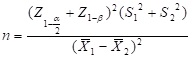
Statistical power was set at 80% (β = 0.20) with a significance level of α = 0.05. According to a pilot study involving 20 cement workers, the following values were obtained: X₁ = 6.72, X₂ = 7.50, S₁ = 1.65 and S₂ = 2.24. Using these parameters, the required sample size was calculated to be 100 participants per group. Samples were selected via simple random sampling.
Workers in the day shift (control) group worked only fixed morning shifts (6:00 AM to 2:00 PM), six days a week (Saturday to Thursdays). Shift Workers followed a continuous 24/7 operation schedule. The "2-2-2" rotation pattern was applied: workers performed 2 consecutive morning shifts (6:00 AM - 2:00 PM), followed by 2 consecutive evening shifts (2:00 PM - 10:00 PM), followed by 2 consecutive night shifts (10:00 PM - 6:00 AM). Once this 6-day cycle was completed, they had 1 day off before starting the next cycle. The two groups—day workers and shift workers worked under similar physical and chemical conditions.
The inclusion criterion for participation in this study was at least one year of work experience. Participants with a history of neurological or psychiatric disorders, current use of hypnotic drugs, diagnosed sleep disorders (e.g., insomnia, hypersomnia), smokers, alcohol consumers, coffee drinkers, and those who reported taking any medication within the 14 days prior to the study were excluded from the study. This washout period was applied to minimize pharmacological confounding on sleep quality and executive functions, thereby enabling a clearer assessment of the specific impact of shift work.
Since the effects of sleep deprivation dissipate after two to three nights of normal sleep, and cognitive performance can recover following two nights of 10-hour sleep after sleep is restricted to 4–5 hours per night for seven consecutive nights, cognitive assessments were undertaken at the end of the shifts to ensure that the interval between the end of the last shift and the cognitive assessment did not exceed 48 hours [32].
After obtaining written informed consent from the patients, data were collected using questionnaires.
Pittsburgh Sleep Quality Index (PSQI): The PSQI was originally developed by Dr. Daniel J. Buysse and his colleagues at the University of Pittsburgh's Sleep Medicine Institute [12]. It appraises individuals’ perceptions of their sleep quality over the past four weeks. It comprises seven subscales:
Cement is a fundamental material for global infrastructure, which is essential for concrete production, housing, and industrial development. Workers are routinely exposed to hazards such as high temperature, excessive noise, heavy machinery, chemicals, and dust, which heighten the risk of workplace incidents, and chronic health problems. While the physical and chemical health risks in this sector are well-documented, the neurocognitive impact of shift work remains less explored, particularly within this specific industrial environment [1].
Shift work, including evening, night, morning shifts as well as fixed or rotating schedules is an essential component of many industries, such as healthcare, transportation, and manufacturing [2, 3]. It has been reported that shift work is associated with adverse effects on different physiological systems, including the gastrointestinal, cardiovascular, reproductive, and nervous systems. Moreover, gastric ulcers, breast cancer, metabolic syndrome, diabetes, dyslipidemia, and obesity have also been reported as a result of shift work [4-6].
Sleep deprivation, as a consequence of shift work, is linked to mood disturbances, impaired motor function, diminished communication and learning abilities [7-9], diminished decision making, decreased protective health behaviors [9-11], cognitive problems [1, 3, 8, 12-15], as well as adverse effects on reaction time [16, 17], accuracy [18], attention [6, 17, 19], and memory [6, 20]. Such impairments can lower work quality and productivity while elevating the likelihood of accidents and errors [21]. An increased 15% and 28% risk of accidents has been reported during evening and night shifts, compared to day shifts [7]. Long working hours are also tied to a higher prevalence of depression, anxiety [22, 23], fatigue, and error rates [3, 24-27].
Concerns have increased regarding the health effects of shift work, particularly its cognitive problems and its potential to decrease executive functions. Cognitive performance refers to the brain’s ability to process and retain information, make decisions, solve problems, and perform daily tasks. Several mental functions tests such as attention, memory, processing speed, and executive functioning have been employed to ascertain the cognitive effects caused by shift work [1, 11]. Executive functions (including inhibition, and working memory), which are linked to the prefrontal cortex, are known to be responsible for goal-setting, planning, decision-making, and impulse control [11, 28, 29].
Possible mechanisms underlying impaired executive functions related to shift work are not clear. Some studies have noted that sleep disruption caused by shift work leads to diminished glucose metabolism in the prefrontal cortex (PFC), which is a key structure for executive functions [30].
Since executive and cognitive functions operate concurrently and interactively, impairment in executive functions can also affect cognitive processes [31].
Given the high prevalence of reported sleep disorders and executive functioning complaints among cement workers as well as the relatively homogeneous work environment in terms of job tasks with the exception of shift work status [1, 2], we selected this setting to conduct the present study.
We, for the first time, simultaneously explored the impact of shift work on cognitive performance, executive functions and skills, and sleep quality among Iran's cement industry workers.
Materials and Methods
This cross-sectional study was undertaken in 2024 on 200 male workers from the Kerman Cement Factory in
Iran. Participants were divided into two groups: 100 day workers and 100 shift workers. The following formula and statistical power analysis were applied to estimate the sample size:
Formula 1.
Statistical power was set at 80% (β = 0.20) with a significance level of α = 0.05. According to a pilot study involving 20 cement workers, the following values were obtained: X₁ = 6.72, X₂ = 7.50, S₁ = 1.65 and S₂ = 2.24. Using these parameters, the required sample size was calculated to be 100 participants per group. Samples were selected via simple random sampling.
Workers in the day shift (control) group worked only fixed morning shifts (6:00 AM to 2:00 PM), six days a week (Saturday to Thursdays). Shift Workers followed a continuous 24/7 operation schedule. The "2-2-2" rotation pattern was applied: workers performed 2 consecutive morning shifts (6:00 AM - 2:00 PM), followed by 2 consecutive evening shifts (2:00 PM - 10:00 PM), followed by 2 consecutive night shifts (10:00 PM - 6:00 AM). Once this 6-day cycle was completed, they had 1 day off before starting the next cycle. The two groups—day workers and shift workers worked under similar physical and chemical conditions.
The inclusion criterion for participation in this study was at least one year of work experience. Participants with a history of neurological or psychiatric disorders, current use of hypnotic drugs, diagnosed sleep disorders (e.g., insomnia, hypersomnia), smokers, alcohol consumers, coffee drinkers, and those who reported taking any medication within the 14 days prior to the study were excluded from the study. This washout period was applied to minimize pharmacological confounding on sleep quality and executive functions, thereby enabling a clearer assessment of the specific impact of shift work.
Since the effects of sleep deprivation dissipate after two to three nights of normal sleep, and cognitive performance can recover following two nights of 10-hour sleep after sleep is restricted to 4–5 hours per night for seven consecutive nights, cognitive assessments were undertaken at the end of the shifts to ensure that the interval between the end of the last shift and the cognitive assessment did not exceed 48 hours [32].
After obtaining written informed consent from the patients, data were collected using questionnaires.
Pittsburgh Sleep Quality Index (PSQI): The PSQI was originally developed by Dr. Daniel J. Buysse and his colleagues at the University of Pittsburgh's Sleep Medicine Institute [12]. It appraises individuals’ perceptions of their sleep quality over the past four weeks. It comprises seven subscales:
- Subjective sleep quality,
- Sleep latency,
- Sleep duration,
- Habitual sleep efficiency,
- Sleep disturbances,
- Use of sleeping medication,
- Daytime dysfunction.
Each component is scored from 0 (no difficulty) to 3 (severe difficulty). The global score is between 0 and 21. A higher score reflects poorer sleep quality. Scores of 0, 1, 2, and 3 on each scale represent normal, mild, moderate, and severe status, respectively. The cut-off score of this tool is 5, implying that a score greater than 5 indicates poor sleep quality [11, 33]. The validity and reliability of the questionnaire were confirmed in the study by Moghadam et al. [14] (Cronbach's alpha coefficient = 0.77).
The Adult Executive Functioning Inventory (ADEXI): This self-report scale, developed by Thorell and Holst, measures executive functions (working memory and inhibition). The instrument contains 14 items, each rated on a 5-point Likert scale ranging between 1 = completely false and 5 = completely true.
Scores for the working memory subscale (9 items) range from 9 to 45, while those for the inhibition subscale (5 items) range within 5 to 25, with the total executive functioning score ranging from 14 to 70. Higher total scores reflect greater self-reported executive function difficulties.
In Thorell and Holst’s, test–retest reliability ranged between 0.68 and 0.72, with internal consistency (Cronbach’s alpha) reported as 0.90 for working memory, 0.77 for inhibition, and 0.91 for the total score [34]. The validity and reliability of the questionnaire were confirmed in the study by Parhoon et al. [35].
Executive Skills Questionnaire (ESQ-R): This 25-item questionnaire appraises five executive skills: planning, time management, emotional regulation,
organization, and behavioral self-regulation.
Scoring is based on a Likert scale (never, sometimes, often, always), with scores ranging from 0 (never) to 3 (always). The validity and reliability of the tool have exhibited satisfactory psychometric properties in previous studies (Cronbach’s alpha for subscales 0.62–0.86; total score α = 0.91) [36, 37].
Cognitive Flexibility Inventory (CFI) by Dennis and Vander Wal: This 20-item instrument, developed by Dennis and Vander Wal (2010), measures cognitive flexibility across three domains: i) the perception of controllable situations, ii) the generation of alternative explanations for events, and iii) the production of alternative solutions to problems. Responses are recorded on a 7-point Likert scale (1 = strongly disagree to 7 = strongly agree). The total score ranges from 20 to 140, with higher scores revealing greater cognitive flexibility. Studies have reported high degree of construct validity and high internal consistency for the Farsi version (Cronbach’s α = 0.88–0.91) [38-40].
Data were analyzed using SPSS software (version 22). Continuous variables are presented as mean ± standard deviation, and categorical variables as frequencies (percentages). For continuous variables (CFI, PSQI, ESQ-R, ADEXI) and categorical variables (education level), independent samples t-test and Chi-square test were employed, respectively. Relationships between key variables were inspected using Pearson’s correlation coefficient. A p-value of less than 0.05 was considered statistically significant.
Results
The demographic characteristics of the studied subjects are reported in Table 1. According to the table, no significant differences were found between the day and shift workers regarding age (35.55 ± 7.51 vs. 36.87 ± 6.89 years, p = 0.20), work experience (13.06 ± 5.21 vs. 12.39 ± 4.57 years, p = 0.33), BMI (25.52 ± 3.07 vs. 25.28 ± 3.45 kg/m², p = 0.60), and education level (p = 0.47). All participants were male and non-smoker.
Table 1. The demographic characteristics of the studied participants (N = 200)
| Variables | Day Workers (n=100) Mean ± SD |
Shift Workers (n=100) Mean ± SD |
P-Value | |
| Age (years) | 35.55±7.51 | 36.87 ± 6.89 | 0.20* | |
| Work Experience (years) | 13.06 ± 5.21 | 12.39 ± 4.57 | 0.33* | |
| Weight (kg) | 75.73 ± 12.20 | 76.50 ± 13.15 | 0.67* | |
| Height (cm) | 171.98 ± 7.72 | 173.65 ± 6.85 | 0.11* | |
| BMI (Kg/m²) | 25.52 ± 3.07 | 25.28 ± 3.45 | 0.60* | |
| Variables | Number (Percent) | Number (Percent) | P-Value | |
| Education Level | Diploma | 48 (48) | 56 (56) | 0.47** |
| High Diploma | 6 (6) | 3 (3) | ||
| Bachelor | 38 (38) | 31 (31) | ||
| Masters | 8 (8) | 10 (10) | ||
* Independent Sample T-Test
**Chi-square test
**Chi-square test
Table 2 outlines the mean total sleep score and its subscales in the study groups. As indicated in the results, the mean total sleep quality score and all subscales, except for the use of sleep medications, were significantly higher among shift workers compared to day workers (total score: 6.55 ± 1.90 vs. 4.45 ± 1.46, p<0.001).
Table 2. Mean score of sleep quality and its subscales in the study groups
| Variables | Day Workers (n=100) Mean ± SD |
Shift Workers (n=100) Mean ± SD |
P-Value |
| Subjective Sleep Quality | 0.55±0.44 | 0.85±0.64 | <0.001 |
| Sleep Latency | 0.70 ± 0.55 | 1.02 ± 0.88 | 0.003 |
| Sleep Duration | 0.63 ± 0.50 | 0.90 ± 0.79 | 0.005 |
| Habitual Sleep Efficiency | 1.01 ± 0.67 | 1.41 ± 0.82 | <0.001 |
| Sleep Disturbances | 0.81 ± 0.58 | 1.13 ± 0.62 | <0.001 |
| Use of Sleep Medication | 0.29 ± 0.45 | 0.40 ± 0.49 | 0.10 |
| Daytime Dysfunction | 0.46 ± 0.55 | 0.83 ± 0.60 | <0.001 |
| Total Score | 4.45 ± 1.46 | 6.55 ± 1.90 | <0.001 |
Table 3 presents the categorization of sleep quality in the groups. Based on the results, 75% of shift workers and 39% of day workers had poor sleep quality. Further, sleep quality in individuals over 40 years was significantly higher than in those under 40 (64.40% vs. 52.80%).
Table 3. Categorization of sleep quality in the study groups
| Variables | PSQI<5 | PSQI>5 | P-value* | |
| Shift | Day workers | 39 (39) | 61 (61) | <0.001 |
| Shift workers | 75 (75) | 25 (25) | ||
| Age (years) | <40 | 67 (52.80) | 60 (47.20) | 0.05 |
| 40≤ | 47 (64.40) | 26 (35.60) | ||
| Work Experience (years) | <10 | 68 (60.20) | 45 (39.80) | 0.19 |
| 10≤ | 46 (52.90) | 41 (47.10) |
*Chi-square test
The mean executive function scores are provided in Table 4. As the results indicate, the mean scores for working memory, inhibition, and total executive function were significantly higher among shift workers compared to day workers (higher scores imply poorer condition).
Table 4. Mean scores of executive functions in the study groups
| Variables | Day Workers (n=100) Mean ± SD |
Shift Workers (n=100) Mean ± SD |
P-Value* |
| Working Memory | 22.58 ± 4.91 | 24.22 ± 4.71 | 0.02 |
| Inhibition | 15.43 ± 2.80 | 16.63 ± 1.73 | <0.001 |
| Total Score | 38.01 ± 7.43 | 40.85 ± 5.89 | 0.003 |
Table 5 reports the mean scores of executive skills in the study groups. The results demonstrate that the subscales of planning, time management, and the total executive skills score were significantly higher among shift workers compared to day workers (higher scores indicate poorer condition).
Table 5. Mean scores of executive skills in the study groups
| Variables | Day Workers (n=100) Mean ± SD |
Shift Workers (n=100) Mean ± SD |
P-value* |
| Planning | 6.32 ± 3.68 | 7.60 ± 2.07 | 0.003 |
| Time Management | 7.06 ± 2.35 | 9.33 ± 4.18 | <0.001 |
| Emotion Regulation | 6.50 ± 5.19 | 7.38 ± 2.29 | 0.12 |
| Organization | 5.94 ± 3.68 | 5.99 ± 2.07 | 0.91 |
| Behavior Regulation | 5.48 ± 4.10 | 6.10 ± 4.27 | 0.29 |
| Total Score | 31.30 ± 10.84 | 36.40 ± 7.86 | <0.001 |
Table 6 presents the mean scores of cognitive flexibility in the study groups. The results indicate that all subscales as well as the total cognitive flexibility score were significantly lower among shift workers compared to day workers (lower scores indicate poorer condition).
Table 6. Mean scores of cognitive flexibility in the study groups
| Variables | Day Workers (n=100) Mean ± SD |
Shift Workers (n=100) Mean ± SD |
P-Value* |
| Alternatives | 34.36 ± 4.28 | 21.50 ± 3.84 | <0.001 |
| Perceived Controllability | 33.21 ± 5.68 | 16.73 ± 2.66 | <0.001 |
| Alternatives for Human Behavior | 8.68 ± 1.64 | 5.96 ± 1.34 | <0.001 |
| Total Score | 76.25 ± 9.62 | 44.19 ± 5.63 | <0.001 |
Pearson correlation analysis demonstrated significant negative correlations between cognitive flexibility with sleep quality (r = -0.49, p<0.01), executive functioning (r = -0.18, p<0.001), and executive skills (r = -0.26, p<0.01) (Table 7).
Table 7. Correlation coefficients between different variables
| Cognitive Flexibility | Executive Skills | Executive Functions | Sleep Quality | Variables |
| -0.49** | 0.09 | 0.11 | 1 | Sleep Quality |
| -0.18* | 0.11 | 1 | 0.11 | Executive Functions |
| -0.26** | 1 | 0.11 | 0.09 | Executive Skills |
| 1 | -0.26** | -0.18* | -0.49** | Cognitive Flexibility |
**p<0.01
*p<0.001
*p<0.001
Discussion
In this study, shift workers exhibited significantly poorer total PSQI scores than day workers. In line with the present results, previous studies have demonstrated a high prevalence of sleep disturbances among shift-working populations [2, 32, 41, 42, 43, 44]. For instance, regarding healthcare staff, Rafi Bazrafshan et al. in Iran [41], Machi et al. in the United States [42], Alshahrani et al. in Saudi Arabia [43], and Sanjaykumar et al. in India [44] reported PSQI scores of 6.52± 4.23, 4.80 ± 2.50, 7.409 ± 3.406, and 8, respectively.
In the present study, with respect to PSQI cut-off score >5 [33, 45], 75% of shift workers and 39% of day workers demonstrated low sleep quality. Likewise, Setyowati et al. [33] in emergency nurses in Indonesia and Machi et al. [42] in emergency physicians in the United States reported that 82% and 31% of participants had poor sleep quality. Since most of these studies focused on healthcare workers (e.g., nurses, physicians) [41-44, 46], who experience extreme psychological stress, night-time emergency demands, and high emotional workload, the magnitude of the problem among industrial workers is poorly understood. The 2–2–2 rotating shift schedule in the cement shift workers requires rapid transitions between morning, evening, and night shifts, which does not allow enough time for circadian adaptation.
Totally, shortened sleep duration and insufficient intervals between shifts, circadian rhythm disruption, competing demands between work and personal life, lack of awareness of sleep importance, and extended work hours per shift can be considered key factors responsible for observed sleep disturbance among participants [3, 11].
Further, in the present study, sleep disturbances were significantly higher among individuals over 40 years old which is in line with the findings of Tucker-Drob who suggest aging is linked to reduced circadian adaptability and diminished sleep efficiency [47].
In the present study, shift workers exhibited significantly poorer executive functions, including working memory and inhibitory control, as well as executive skills related to planning and time management, as well as poorer cognitive flexibility. Likewise, a study undertaken in Iran on 35 female nurses found that working memory and interference scores significantly dropped at the end of each of three shifts [13]. Machi et al. [42] and Shwetha and Sudhakar [48] found that short-term memory significantly diminished at the end of shifts, possibly due to circadian rhythm disruption and fatigue from extended working hours. In accordance with these findings, Ansiau et al. [49] and Tadinac et al. [50] reported significant negative effects of shift work especially night shifts on short-term memory and selective attention.
The cognitive deficits observed in this study are likely driven by sleep deprivation, prolonged physical exertion, and circadian disruption. These results align with studies conducted on security staff in Iran [2], Business Process Outsourcing (BPO) workers in India [48], rotating emergency nurses in Indonesia [33], emergency responders in Poland [6] and other shift work populations [51, 52, 53], where sustained attention, working memory, and executive function were significantly impaired in shift workers.
Executive functions are primarily mediated by the prefrontal cortex (PFC), a brain region that is highly sensitive to sleep deprivation and circadian disruption [28, 29]. The most likely causes of poor executive functions in shift workers are lowered glucose metabolism in the PFC following sleep loss, insufficient recovery even after compensatory sleep, and accelerated cognitive aging owing to chronic circadian misalignment [30, 54].
In the cement industry, executive functions are critical for maintaining safe and efficient operations. Tasks such as monitoring control systems, responding to alarms, coordinating production processes, and adhering to safety protocols require working memory, inhibitory control, and sustained attention. Impairments in these domains may undermine workers’ ability to manage competing demands and suppress inappropriate responses, thereby heightening the likelihood of human error and occupational accidents [7, 21, 26]. Further, shift workers are at elevated risk of vitamin D deficiency owing to reduced sunlight exposure, which is linked to cognitive impairments [5]. Evidence suggests that cognitive impairments linked to shift work are cumulative and duration-dependent. Marquié et al. [5] reported cognitive decline after prolonged exposure more than ten years. Some studies indicate partial recovery of cognitive function following cessation of shift work, though this process may require several years [6, 51].
This study had several limitations. All participants were male, limiting the generalizability of the findings to female workers. Further, cognitive assessments were conducted immediately post-shift, which may have been influenced by acute fatigue and participants' eagerness to leave the workplace, and thus do not represent baseline cognitive performance. Also, it was not possible to control for all potential confounding factors, such as familial and social responsibilities. Nevertheless, the findings of this research provide valuable insight into the sleep and cognitive challenges in shift workers.
Conclusion
In summary, this study demonstrated that across an Iranian industrial setting, rotating shift work is tied to reduced sleep quality and deficits in cognitive performance. The findings highlight the necessity for organizational interventions such as optimizing shift schedules, increasing awareness about sleep hygiene, and periodic screening of shift workers for early identification of sleep and cognitive disorders. Future studies are recommended to examine long-term cognitive effects and the potential reversibility of these effects after ceasing shift work.
Acknowledgments
The authors would like to express their sincere gratitude to Shahid Sadoughi University of Medical Sciences, Yazd, Iran, for financially supporting this study. Sincere thanks are also extended to the management and employees of the Kerman Cement Factory for their valuable cooperation and participation in this research.
Conflict of interest
None declared.
Funding
The authors thank Shahid Sadoughi University of Medical Sciences, Yazd, Iran (grant No. 20849) for funding this study.
Ethical Considerations
Written informed consent was obtained from all participants after explaining the study's purpose and procedures. Confidentiality of all data was guaranteed.
Code of Ethics
The procedures of this study were approved by the Ethics Committee of Shahid Sadoughi University of Medical Sciences (IR.SSU.SPH.REC.1404.034).
Authors' Contributions
Fatemeh Kargar-Shouroki and Fahimeh Dehghani designed and supervised the study and performed the data analysis and interpretation. Mohammad Reza Shamsaddini was responsible for data collection. All authors contributed to drafting and revising the manuscript and approved the final version for publication.
In this study, shift workers exhibited significantly poorer total PSQI scores than day workers. In line with the present results, previous studies have demonstrated a high prevalence of sleep disturbances among shift-working populations [2, 32, 41, 42, 43, 44]. For instance, regarding healthcare staff, Rafi Bazrafshan et al. in Iran [41], Machi et al. in the United States [42], Alshahrani et al. in Saudi Arabia [43], and Sanjaykumar et al. in India [44] reported PSQI scores of 6.52± 4.23, 4.80 ± 2.50, 7.409 ± 3.406, and 8, respectively.
In the present study, with respect to PSQI cut-off score >5 [33, 45], 75% of shift workers and 39% of day workers demonstrated low sleep quality. Likewise, Setyowati et al. [33] in emergency nurses in Indonesia and Machi et al. [42] in emergency physicians in the United States reported that 82% and 31% of participants had poor sleep quality. Since most of these studies focused on healthcare workers (e.g., nurses, physicians) [41-44, 46], who experience extreme psychological stress, night-time emergency demands, and high emotional workload, the magnitude of the problem among industrial workers is poorly understood. The 2–2–2 rotating shift schedule in the cement shift workers requires rapid transitions between morning, evening, and night shifts, which does not allow enough time for circadian adaptation.
Totally, shortened sleep duration and insufficient intervals between shifts, circadian rhythm disruption, competing demands between work and personal life, lack of awareness of sleep importance, and extended work hours per shift can be considered key factors responsible for observed sleep disturbance among participants [3, 11].
Further, in the present study, sleep disturbances were significantly higher among individuals over 40 years old which is in line with the findings of Tucker-Drob who suggest aging is linked to reduced circadian adaptability and diminished sleep efficiency [47].
In the present study, shift workers exhibited significantly poorer executive functions, including working memory and inhibitory control, as well as executive skills related to planning and time management, as well as poorer cognitive flexibility. Likewise, a study undertaken in Iran on 35 female nurses found that working memory and interference scores significantly dropped at the end of each of three shifts [13]. Machi et al. [42] and Shwetha and Sudhakar [48] found that short-term memory significantly diminished at the end of shifts, possibly due to circadian rhythm disruption and fatigue from extended working hours. In accordance with these findings, Ansiau et al. [49] and Tadinac et al. [50] reported significant negative effects of shift work especially night shifts on short-term memory and selective attention.
The cognitive deficits observed in this study are likely driven by sleep deprivation, prolonged physical exertion, and circadian disruption. These results align with studies conducted on security staff in Iran [2], Business Process Outsourcing (BPO) workers in India [48], rotating emergency nurses in Indonesia [33], emergency responders in Poland [6] and other shift work populations [51, 52, 53], where sustained attention, working memory, and executive function were significantly impaired in shift workers.
Executive functions are primarily mediated by the prefrontal cortex (PFC), a brain region that is highly sensitive to sleep deprivation and circadian disruption [28, 29]. The most likely causes of poor executive functions in shift workers are lowered glucose metabolism in the PFC following sleep loss, insufficient recovery even after compensatory sleep, and accelerated cognitive aging owing to chronic circadian misalignment [30, 54].
In the cement industry, executive functions are critical for maintaining safe and efficient operations. Tasks such as monitoring control systems, responding to alarms, coordinating production processes, and adhering to safety protocols require working memory, inhibitory control, and sustained attention. Impairments in these domains may undermine workers’ ability to manage competing demands and suppress inappropriate responses, thereby heightening the likelihood of human error and occupational accidents [7, 21, 26]. Further, shift workers are at elevated risk of vitamin D deficiency owing to reduced sunlight exposure, which is linked to cognitive impairments [5]. Evidence suggests that cognitive impairments linked to shift work are cumulative and duration-dependent. Marquié et al. [5] reported cognitive decline after prolonged exposure more than ten years. Some studies indicate partial recovery of cognitive function following cessation of shift work, though this process may require several years [6, 51].
This study had several limitations. All participants were male, limiting the generalizability of the findings to female workers. Further, cognitive assessments were conducted immediately post-shift, which may have been influenced by acute fatigue and participants' eagerness to leave the workplace, and thus do not represent baseline cognitive performance. Also, it was not possible to control for all potential confounding factors, such as familial and social responsibilities. Nevertheless, the findings of this research provide valuable insight into the sleep and cognitive challenges in shift workers.
Conclusion
In summary, this study demonstrated that across an Iranian industrial setting, rotating shift work is tied to reduced sleep quality and deficits in cognitive performance. The findings highlight the necessity for organizational interventions such as optimizing shift schedules, increasing awareness about sleep hygiene, and periodic screening of shift workers for early identification of sleep and cognitive disorders. Future studies are recommended to examine long-term cognitive effects and the potential reversibility of these effects after ceasing shift work.
Acknowledgments
The authors would like to express their sincere gratitude to Shahid Sadoughi University of Medical Sciences, Yazd, Iran, for financially supporting this study. Sincere thanks are also extended to the management and employees of the Kerman Cement Factory for their valuable cooperation and participation in this research.
Conflict of interest
None declared.
Funding
The authors thank Shahid Sadoughi University of Medical Sciences, Yazd, Iran (grant No. 20849) for funding this study.
Ethical Considerations
Written informed consent was obtained from all participants after explaining the study's purpose and procedures. Confidentiality of all data was guaranteed.
Code of Ethics
The procedures of this study were approved by the Ethics Committee of Shahid Sadoughi University of Medical Sciences (IR.SSU.SPH.REC.1404.034).
Authors' Contributions
Fatemeh Kargar-Shouroki and Fahimeh Dehghani designed and supervised the study and performed the data analysis and interpretation. Mohammad Reza Shamsaddini was responsible for data collection. All authors contributed to drafting and revising the manuscript and approved the final version for publication.
References
1. Ssemuddu JB, Olupot PW, Kirabira JB, Okure M. Key factors for the current state of occupational safety, health, and environment management in the cement manufacturing industry. Discover Sustainability. 2025;6(1372). [DOI]
2. Elhami Athar M, Atef-Vahid MK, Ashouri A. The influence of shift work on the quality of sleep and executive functions. J Circadian Rhythms. 2020;18:4. [DOI] [PMID] [PMCID]
3. Kazemi R, Haidarimoghadam R, Motamedzadeh M, Golmohamadi R, Soltanian A, Zoghipaydar MR. Effects of shift work on cognitive performance, sleep quality, and sleepiness among petrochemical control room operators. J Circadian Rhythms. 2016;14:1. [DOI] [PMID] [PMCID]
4. Harma M, Kandolin I. Shiftwork, ageand well-being: recent developments and future perspectives. J Hum Ergol. 2001;30(1-2):287-93. [PMID]
5. Marquié JC, Tucker P, Folkard S, Gentil C, Ansiau D. Chronic effects of shift work on cognition: findings from the VISAT longitudinal study. Occup Environ Med. 2015;72(4):258-64. [DOI] [PMID]
6. Sumińska S, Nowak K, Łukomska B, Cygan HB. Cognitive functions of shift workers: paramedics and firefighters–an electroencephalography study. Int J Occup Saf Ergon. 2021;27(3):686-97. [DOI] [PMID]
7. Caruso CC. Negative impacts of shiftwork and long work hours. Rehabil Nurs. 2014;39(1):16-25. [DOI] [PMID] [PMCID]
8. Goel N, Rao H, Durmer JS, Dinges DF. Neurocognitive consequences of sleep deprivation. Semin Neurol. 2009;29(4):320-39. [DOI] [PMID] [PMCID]
9. Killgore WD, Grugle NL, Balkin TJ. Gambling when sleep deprived: don't bet on stimulants. Chronobiol Int. 2012;29(1):43-54. [DOI] [PMID]
10. Alhola P, Polo-Kantola P. Sleep deprivation: Impact on cognitive performance. Neuropsychiatr Dis Treat. 2007;3(5):553-67. [PMID] [PMCID]
11. Hossain MS. Sleep deprivation and cognitive performance of shift workers in Bangladesh. [Ph.D. thesis]. Dhaka, Bangladesh: University of Dhaka; 2024.
12. Buysse DJ, Reynolds CF 3rd, Monk TH, Berman SR, Kupfer DJ. The Pittsburgh Sleep Quality Index: a new instrument for psychiatric practice and research. Psychiatry Res. 1989;28(2):193-213. [DOI] [PMID]
13. Esmaily A, Jambarsang S, Mohammadian F, Mehrparvar AH. Effect of shift work on working memory, attention and response time in nurses. Int J Occup Saf Ergon. 2022;28(2):1085-90. [DOI] [PMID]
14. Farrahi Moghaddam J, Nakhaee N, Sheibani V, Garrusi B, Amirkafi A. Reliability and validity of the Persian version of the Pittsburgh Sleep Quality Index (PSQI-P). Sleep Breath. 2012;16(1):79-82. [DOI] [PMID]
15. Khan MA, Al-Jahdali H. The consequences of sleep deprivation on cognitive performance. Neurosciences (Riyadh). 2023;28(2):91-9. [DOI] [PMID] [PMCID]
16. Krause AJ, Simon EB, Mander BA, Greer SM, Saletin JM, Goldstein-Piekarski AN, et al. The sleep-deprived human brain. Nat Rev Neurosci. 2017;18(7):404-18. [DOI] [PMID] [PMCID]
17. Lim J, Dinges DF. Sleep deprivation and vigilant attention. Ann N Y Acad Sci. 2008;1129(1):305-22. [DOI] [PMID]
18. Kaliyaperumal D, Elango Y, Alagesan M, Santhanakrishanan I. Effects of sleep deprivation on the cognitive performance of nurses working in shift. J Clin Diagn Res. 2017;11(8):CC01-3. [DOI] [PMID] [PMCID]
19. Hudson AN, Van Dongen HP, Honn KA. Sleep deprivation, vigilant attention, and brain function: a review. Neuropsychopharmacology. 2020;45(1):21-30. [DOI] [PMID] [PMCID]
20. Frenda SJ, Fenn KM. Sleep less, think worse: the effect of sleep deprivation on working memory. J Appl Res Mem Cognit. 2016;5(4):463-9. [DOI]
21. Alali H, Braeckman L, Van Hecke T, De Clercq B, Janssens H, Wahab MA. Relationship between non‐standard work arrangements and work‐related accident absence in Belgium. J Occup Health. 2017;59(2):177-86. [DOI] [PMID] [PMCID]
22. Kleppa E, Sanne B, Tell GS. Working overtime is associated with anxiety and depression: the Hordaland Health Study. J Occup Environ Med. 2008;50(6):658-66. [DOI] [PMID]
23. Virtanen M, Heikkilä K, Jokela M, Ferrie JE, Batty GD, Vahtera J, et al. Long working hours and coronary heart disease: a systematic review and meta-analysis. Am J Epidemiol. 2012;176(7):586-96. [DOI] [PMID] [PMCID]
24. Durmer JS, Dinges DF; New Collective Author. Neurocognitive consequences of sleep deprivation. Semin Neurol. 2005;25(1):117-29. [DOI] [PMID]
25. Folkard S, Lombardi DA, Tucker PT. Shiftwork: safety, sleepiness and sleep. Ind Health. 2005;43(1):20-3. [DOI] [PMID]
26. Harrington J. Health effects of shift work and extended hours of work. Occup Environ Med. 2001;58(1):68-72. [DOI] [PMCID]
27. Chang YS, Wu YH, Hsu CY, Tang SH, Yang LL, Su SF. Impairment of perceptual and motor abilities at the end of a night shift is greater in nurses working fast rotating shifts. Sleep Med. 2011;12(9):866-9. [DOI] [PMID]
28. Miyake A, Friedman NP. The nature and organization of individual differences in executive functions: Four general conclusions. Curr Dir Psychol Sci. 2012;21(1):8-14. [DOI] [PMID] [PMCID]
30. Wu JC, Gillin JC, Buchsbaum MS, Chen P, Keator DB, Khosla Wu N, et al. Frontal lobe metabolic decreases with sleep deprivation not totally reversed by recovery sleep. Neuropsychopharmacology. 2006;31(12):2783-92. [DOI] [PMID]
31. Lezak MD. Neuropsychological assessment. Oxford, United Kingdom: Oxford University Press; 2004.
32. Thomas J, Overeem S, Dresler M, Kessels RPC, Claassen JAHR. Shift‐work‐related sleep disruption and the risk of decline in cognitive function: The CRUISE Study. J Sleep Res. 2021;30(2):e13068. [DOI] [PMID] [PMCID]
33. Setyowati L, Chiu HY, Kurnia AD, Aini N, Mashfufa EW, Marta OF. The impact of sleep toward executive functions among rapidly rotating shift nurses of emergency departments in Indonesia. Healthc Low Resour Settings. 2023;11(2):4-9.
34. Holst Y, Thorell LB. Adult executive functioning inventory (ADEXI): Validity, reliability, and relations to ADHD. Int J Methods Psychiatr Res. 2018;27(1):e1567. [DOI] [PMID] [PMCID]
35. Parhoon K, Parhoon H, Thorell L. Psychometric properties of the Persian version of the Adult Executive Functioning Inventory. Adv Cogn Sci. 2023;24(4):29-43. [URL]
36. Ghadiri Sourman Abadi F, Abdolmohammadi K. Executive functions in adolescents with sleep disorder. Neurosci J Shefaye Khatam. 2023;11(2):32-40. [URL]
37. Abdolmohamadi K, Ghadiri Sourman Abadi F, Alimohamadi A. The Executive Skills Questionnaire-Revised (ESQ-R): Translation, Adaptation, and Psychometric Properties of the Iranian Version. Educ meas. 2025;15(58):69-92. [URL]
38. Bayat Mokhtari L, Mohammadi Ahmadabadi N, Keikha A, Panahi Gh, Mohammadi Soleimani MR, Bameri A, et al. Factor Structure and Validation of the Cognitive Flexibility Index among High School Students: A Descriptive Study. J Rafsanjan Univ Med Sci. 2025;24(5):422-37. [URL]
39. Shareh H, Farmani A, Soltani E. Investigating the reliability and validity of the Cognitive Flexibility Inventory (CFI-I) among Iranian university students. Pract Clin Psychol. 2014;2(1):43-50. [URL]
40. Soltani E, Shareh H, Bahrainian SA, Farmani A. The mediating role of cognitive flexibility in correlation of coping styles and resilience with depression. Pajoohandeh. 2013;18(2):88-96. [URL]
41. Bazrafshan MR, Rahimpoor R, Moravveji F, Soleymaninejad N, Kavi E, Zollghadr R. Prevalence and effects of sleep disorders among shift work nurses. Jundishapur J Chronic Dis Care. 2019;8(1):e81185. [DOI]
42. Machi MS, Staum M, Callaway CW, Moore C, Jeong K, Suyama J, et al. The relationship between shift work, sleep, and cognition in career emergency physicians. Acad Emerg Med. 2012;19(1):85-91. [DOI] [PMID]
43. Alshahrani SM, Baqays AA, Alenazi AA, AlAngari AM, AlHadi AN. Impact of shift work on sleep and daytime performance among health care professionals. Saudi Med J. 2017;38(8):846-51. [DOI] [PMID] [PMCID]
44. Sanjaykumar BA, Patil DM. The effect of shift work on sleep quality in healthcare employees: a cross-sectional study. Int J Acad Med Pharm. 2024;6(1):10-4.
45. Thach TQ, Mahirah D, Dunleavy G, Zhang Y, Nazeha N, Rykov Y, et al. Association between shift work and poor sleep quality in an Asian multi-ethnic working population: A cross-sectional study. PLoS One. 2020;15(3):e0229693. [DOI] [PMID] [PMCID]
46. Shah JA, Bourguignon CM, Esau SA, Truwit JD. Night vs. Day Shift Work in Residents and Impact on Cognition. In: American Thoracic Society International Conference Meetings Abstracts; 2009 Apr; Oxford, United Kingdom: Oxford University Press; Vol. 179, No. Supplement_1; pp. A2112.
47. Tucker-Drob EM. Neurocognitive functions and everyday functions change together in old age. Neuropsychology. 2011;25(3):368-77. [DOI] [PMID] [PMCID]
48. Shwetha BL, Sudhakar HH. Learning, memory & executive function in female BPO employees exposed to regular shifts. Natl J Physiol Pharm Pharmacol. 2014;4(1):20.
49. Ansiau D, Wild P, Niezborala M, Rouch I, Marquie JC. Effects of working conditions and sleep of the previous day on cognitive performance. Appl Ergon. 2008;39(1):99-106. [DOI] [PMID]
50. Tadinac M, Ante S, Ivana H, Branka MS, Romina I. Age and individual sleep characteristics affect cognitive performance in anesthesiology residents after a 24-hour shift. Acta Clin Croat. 2014;53(1.):22-30. [URL]
51. Rouch I, Wild P, Ansiau D, Marquié JC. Shiftwork experience, age and cognitive performance. Ergonomics. 2005;48(10):1282-93. [DOI] [PMID]
52. Özdemir PG, Selvi Y, Özkol H, Aydın A, Tülüce Y, Boysan M, et al. The influence of shift work on cognitive functions and oxidative stress. Psychiatry Res. 2013;210(3):1219-25. [DOI] [PMID]
53. Saricaoğlu F, Akinci SB, Gözaçan A, Güner B, Rezaki M, Aypar U. [The effect of day and night shift working on the attention and anxiety levels of anesthesia residents]. Turk Psikiyatri Derg. 2005;16(2):106-12. [PMID]
Send email to the article author
| Rights and permissions | |
 |
This work is licensed under a Creative Commons Attribution 4.0 International License. |