Journal of Occupational
Health and Epidemiology

Rafsanjan university Of medical sciences
Volume 15, Issue 2 (Spring 2026)
J Occup Health Epidemiol 2026, 15(2): 117-127 |
Back to browse issues page

Ethics code: BIEC – 084 - 24


Download citation:
BibTeX | RIS | EndNote | Medlars | ProCite | Reference Manager | RefWorks
Send citation to:


BibTeX | RIS | EndNote | Medlars | ProCite | Reference Manager | RefWorks
Send citation to:
Durai V, Selvaraj R, Alagesan I R. Respiratory Health Challenges among Urban Street Vendors: A Mixed-Methods Study in Chennai, India. , J Occup Health Epidemiol. 2026; 15 (2) :117-127
URL: http://johe.rums.ac.ir/article-1-1141-en.html
URL: http://johe.rums.ac.ir/article-1-1141-en.html
Related article in
Google Scholar
Google Scholar
Similar articles


1- Associate Prof., Dept. of Community Medicine, Bhaarath Medical College and Hospital, BIHER, Chennai, Tamil Nadu, India.
2- Assistant Prof., Dept. of Community Medicine, Saveetha Medical College, SIMATS, Chennai, Tamil Nadu, India.
3- Assistant Prof., Dept. of Community Medicine, Bhaarath Medical College and Hospital, BIHER, Chennai, Tamil Nadu, India. ,inbaraja92@gmail.com
2- Assistant Prof., Dept. of Community Medicine, Saveetha Medical College, SIMATS, Chennai, Tamil Nadu, India.
3- Assistant Prof., Dept. of Community Medicine, Bhaarath Medical College and Hospital, BIHER, Chennai, Tamil Nadu, India. ,
Article history

Received: 2025/11/5
Accepted: 2026/05/28
ePublished: 2026/06/30
Accepted: 2026/05/28
ePublished: 2026/06/30
Subject:
Occupational Health
Keywords: Occupational Health [MeSH], Respiratory Tract Diseases [MeSH], Air Pollution [MeSH], Peak Expiratory Flow Rate [MeSH], Occupational Exposure [MeSH], Informal Sector [MeSH], Qualitative Research [MeSH]
Full-Text [PDF 620 kb]
(105 Downloads)
| Abstract (HTML) (266 Views)
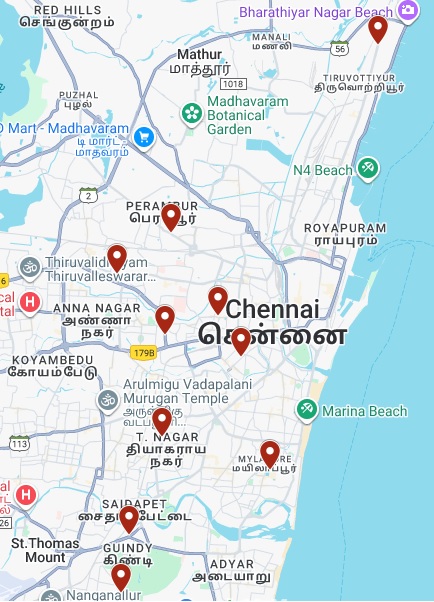
Fig. 1. Map of Chennai district demonstrating the high-traffic study sites for data collection in the 10 Talukas
Note: The 10 sites correspond to the 10 Talukas sampled: 1) Tiruvottiyur High Road (Tondiarpet), 2) Purasaivakkam High Road (Purasawalkkam), 3) Paper Mills Road (Perambur), 4) Konnur High Road (Ayyanavaram), 5) New Avadi Road (Aminjikkarai), 6) Pantheon Road (Egmore), 7) Anna Salai (Guindy), 8) North Mada Street (Mylapore), 9) North Usman Road (Mambalam), 10) Velachery Road (Velachery).
The prevalence of self-reported respiratory health challenges is reported in Table 2. A significant health burden was evident, with 35% of vendors reporting at least one respiratory symptom. Based on the INSEARCH questionnaire, the most commonly reported respiratory condition was allergic rhinitis (29.2%), followed by breathlessness (14.2%), wheeze (7.9%), chronic bronchitis (5.0%), and asthma (2.9%). Objective measurements confirmed this burden, with 42.9% (95% CI: 34.1–51.3) of all vendors presenting a low PEFR (<80% predicted). This was notably higher in males (48.4%) than in females (33.3%). (Fig. 2)
Table 2. Prevalence of various respiratory health challenges of urban street vendors (n=240)
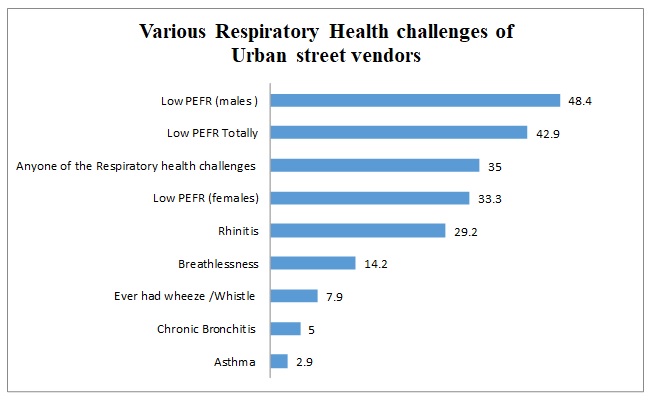
Fig. 2. Percentage of various respiratory health challenges among urban street vendors (n=240)
Associations between sociodemographic factors and low PEFR are detailed in Table 3. Male sex was significantly correlated with low PEFR (OR=1.873, p=0.024) compared to females. Risk also rose with age, with those >35 years exhibiting higher odds (OR=1.775, p=0.049). The strongest predictors were occupational. A TEP >100 units significantly elevated the risk of low PEFR (OR=2.907, p<0.001). Further, smoking among males (OR=2.143, p=0.02), illiteracy (OR=1.918, p=0.03), and commuting >5 km daily (OR=1.774, p=0.033) were all significantly linked to impaired lung function.
Table 3. Association between sociodemographic factors and PEFR* (n=240)
As outlined in Table 4, all self-reported respiratory symptoms were strongly associated with objectively measured low PEFR. The presence of chronic bronchitis revealed the highest association (OR=16.26, p<0.001), followed by asthma (OR=8.412, p=0.020), wheeze (OR=8.215, p<0.001), and breathlessness (OR=5.445, p<0.001). Reporting any respiratory symptom significantly elevated the odds of having low PEFR (OR=2.858, p<0.001). Further analysis (not presented in tables) demonstrated a dose-response relationship, where TEP >100 was associated with increased wheeze (OR=7.665, p=0.043) and breathlessness (OR=3.304, p=0.039). Low income (≤₹500) was also a strong predictor for having any respiratory health challenge (OR=3.462, p<0.001).
Overall, 42.9% of participants had reduced PEFR and 35% reported at least one respiratory health challenge (Fig. 3). TEP and smoking were significant predictors of diminished PEFR.
Table 4. Association between various respiratory health challenges and PEFR* (n=240)
Qualitative: Qualitative insights from the FGDs complemented the quantitative findings through identifying five interrelated themes (Table 5): "Enduring the Sun and Smoke" (environmental hazards), "No Toilets, No Water, No Choice" (infrastructural neglect), "Work First, Health Later" (economic compulsion and health neglect), "Double Shift, Double Strain" (gender-specific workload and psychosocial burden), and "Patchy Help, Partial Trust" (healthcare access and system navigation). Collectively, these themes indicated how occupational exposures, inadequate infrastructure, economic constraints, and limited healthcare access shaped vendors' respiratory health experiences. The conceptual relationship between these themes and their influence on respiratory health challenges is displayed in Fig. 4.
Table 5. Qualitative findings from focus group discussions among urban street vendors (n = 17)
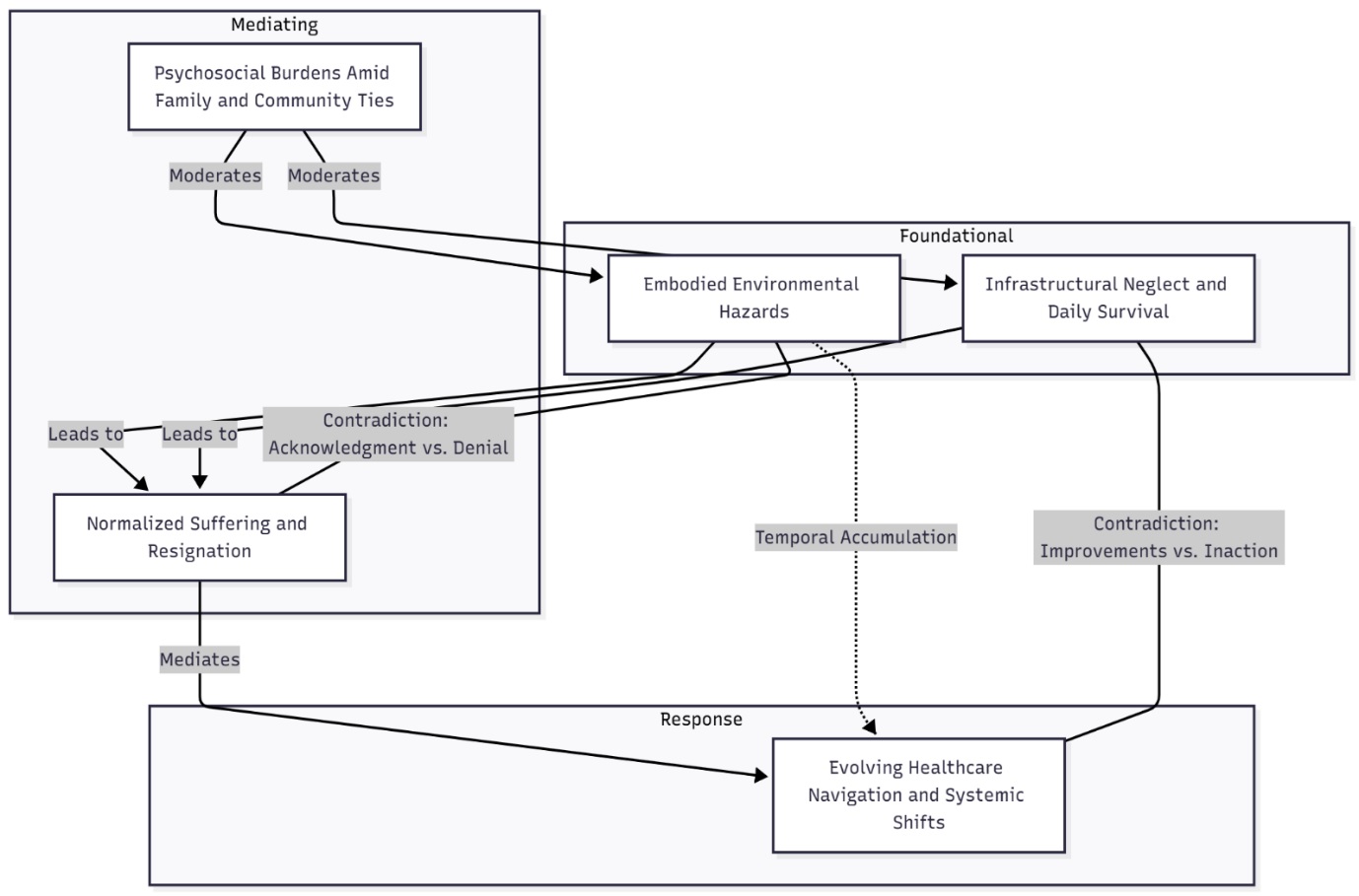
Fig. 4. Conceptual framework of the lived health experience of urban street vendors
Discussion
The present study demonstrated a considerable burden of respiratory health challenges among urban street vendors in Chennai, with 35% reporting at least one respiratory symptom and 42.9% having diminished PEFR (<80% predicted). These findings align with evidence from India and other countries, reinforcing the adverse influence of prolonged occupational exposure to traffic-related air pollution on respiratory health.
The present study reported a prevalence of 2.9% for asthma, 5.0% for chronic bronchitis, and 14.2% for breathlessness, which were lower than those documented among roadside shopkeepers in Bhopal (3.6%, 13.9%, and 35.5%, respectively).16 Likewise, 35% of vendors in the present study reported at least one respiratory health challenge, compared with 55% in the Bhopal study [13]. Further, 42.9% of participants had lowered PEFR, with a higher prevalence among males (48.4%). These differences may be explained by variations in participant characteristics, occupational exposure patterns, study design, environmental conditions, outcome definitions, as well as respiratory assessment methods. Chennai also has comparatively better ambient air quality than many other Indian metropolitan cities, though pollutant levels remain above the World Health Organization recommended limits.9 Thus, both methodological and environmental factors should be considered when interpreting comparisons across studies.
This study indicated a significant association between age (OR=1.775) and sex (OR=1.873) with respiratory health challenges, similar to recent studies in India. These findings imply that male vendors, older individuals, and those with longer occupational exposure may be at greater risk of respiratory health challenges, emphasizing the need for targeted occupational health interventions. A 2023 study in a semi-urban area also identified age as a significant factor for respiratory morbidities among vendors [14], while a 2025 study highlighted the interaction of sex on pulmonary function in patients with chronic respiratory disease [15]. Comparable respiratory morbidities have also been reported among road-exposed occupational groups in India. Lung function evaluations among street vendors in Chennai demonstrated diminished spirometric parameters [16], whereas a study from Deoghar reported lung function comparable to that of smokers [17]. Similar findings have been documented from Kolkata and Dehradun, where increased exposure to particulate matter and higher respirable deposition doses were linked to impaired lung function and a greater prevalence of respiratory symptoms among street vendors [18, 19]. These observations are in line with the present study, in which prolonged occupational exposure, measured using the Total Exposure Period (TEP), was a significant predictor of wheeze (OR = 7.665; p = 0.043) and breathlessness (OR = 3.304; p = 0.039). Collectively, these findings imply that cumulative exposure to traffic-related air pollution is a key determinant of respiratory health among urban street vendors across different Indian settings.
Globally, similar to this study, vendors confront increased symptoms and flow reductions. Bangkok young vendors reported 50% lower respiratory symptoms [20]. Nigerian street traders displayed substantial PEFR deficits associated with symptoms [6]. Epidemiological evidence confirms long-term pollution’s detrimental lung impacts [21]. Long-term exposure inversely relates to lung function, with PM₂.₅ reducing PEFR in children (-3.7 L/min per 10 µg/m³) [22].
In South Africa, informal food vendors in semi-urban areas exhibited elevated respiratory morbidities associated with traffic-related air pollution, reflecting significant associations between exposure and symptoms [23]. In Thailand, adult street vendors in Bangkok faced heightened exposure to traffic-related pollutants, leading to adverse health effects comparable to our PEFR reductions, underscoring the need for universal protective strategies [24]. These international parallels reinforce calls for multisectoral approaches to mitigate pollution-driven disparities.
The observed association between respiratory symptoms and diminished PEFR supports the internal consistency of the findings, as participants reporting respiratory symptoms were also more likely to exhibit objectively reduced lung function. Biologically, pollutants induce inflammation, oxidative stress and airway remodelling, which lead to narrowing of bronchioles, increased airway resistance and reducing maximal expiratory flow capacity (PEFR) [25]. Dose-response with TEP supports causality, parallel to other studies, where each incremental exposure unit correlates with progressive reductions in flow parameters.6 Smoking is an important respiratory risk factor that contributes to oxidative and inflammatory damage, impairs mucociliary clearance, and promotes airway remodelling [26]. In this study, the odds of reduced PEFR were higher among smokers, consistent with the established adverse effects of tobacco smoking on lung function.
In this study, people over 35 years old and who travelled more than 5 km daily had higher exposure to air pollution, which may exacerbate breathing problems. The observed correlation between lower educational status and respiratory health challenges may reflect differences in occupational exposure, socioeconomic conditions, health literacy, and access to preventive measures. Nevertheless, these factors were not directly appraised in the present study and warrant further investigation. Although other socio-demographic and occupational variables were ascertained, they did not demonstrate significant associations with the study outcomes though their potential influence on respiratory health cannot be excluded and warrants further investigation.
The qualitative findings complemented the quantitative results through providing context for the observed high prevalence of respiratory symptoms and diminished PEFR. While the quantitative findings demonstrated the burden of respiratory health challenges and their association with prolonged occupational exposure, the FGDs exhibited that vendors largely accepted these symptoms as part of their occupation. Themes such as "Enduring the Sun and Smoke" and "Work First, Health Later" illustrated how economic necessity often superseded health concerns, whereas "No Toilets, No Water, No Choice" and "Patchy Help, Partial Trust" highlighted the broader structural as well as healthcare barriers that contributed to these health challenges. A mixed-methods phenomenological analysis in Bogotá, Colombia, identified occupational hazards, including pollution-induced respiratory issues, akin to our vendors’ "enduring the sun and smoke" as accepted suffering [27]. In Yangon, Myanmar, a qualitative comparison of informal workers unveiled psychosocial strains, infrastructural deficits (e.g., sanitation shortages), and economic pressures paralleling our "double shift, double strain" and "work first, health later" themes, where income supersedes health amid exposures [28]. A health risk assessment in Johannesburg, South Africa, comparing informal food vendors documented analogous augmented respiratory and musculoskeletal risks from ambient pollution and poor conditions, amplified by policy shortcomings and limited healthcare—echoing our "patchy help, partial trust" and infrastructural neglect, and advocating for urban-specific interventions [29]. These cross-contextual alignments validate the pervasive yet context-dependent nature of informal vending hazards.
The strengths of this study included its mixed-methods design, which integrated quantitative findings with qualitative insights. Further, respiratory health was appraised using both subjective symptom reporting and objective PEFR measurements, while the Traffic Exposure Point (TEP) score provided an objective estimate of occupational exposure.
This study had some limitations. First, individual exposure to air pollutants (e.g., PM₂.₅) was not measured using personal monitoring devices. Also, identification of high-traffic vending locations using Google Maps may have introduced selection bias by underrepresenting vendors working in less visible or lower-traffic areas. Further, PEFR was employed as a screening tool rather than diagnostic spirometry, though predicted PEFR values were calculated using participants' age, sex, and height. In addition, smoking exposure was ascertained only as smoking status without quantifying the type, duration, or intensity of tobacco use. Also, the small number of asthma cases (n = 7) led to a wide confidence interval for the corresponding odds ratio; thus, this finding should be interpreted with caution. Eventually, the cross-sectional design limits causal inference, and seasonal variations in ambient air pollution were not assessed. Future longitudinal studies incorporating personal air pollution monitoring and comprehensive pulmonary function testing are warranted.
Conclusion
This study demonstrated that urban street vendors in Chennai are facing substantial respiratory burdens, with 35% reporting symptoms and 42.9% exhibiting low PEFR, driven by chronic traffic pollution, smoking, and prolonged exposure. Qualitative insights indicate vendors normalize these risks amid infrastructural neglect, financial insecurity, and gender – specific challenges, prioritizing survival over health. These findings, in accordance with regional and global evidence, highlight the significance of implementing multi-sectoral interventions integrating occupational health safeguards, urban planning reforms, and regulatory enforcement. Targeted measures, including improved sanitation and drinking water facilities, periodic respiratory health screening, health education, and strategies to lower prolonged traffic exposure, are essential to protect this vulnerable workforce and promote health equity in the informal sector.
Acknowledgments
Sincere thanks to the social workers for receiving training from the Department of Physiology, BMCH as well as for their diligent use of the peak flow meter during data collection. We would also like to express our gratitude to Dr. Karthik Balajee, Associate Professor, Department of Community Medicine, JIPMER, for his invaluable expertise in designing the semi-structured guide for the Focus Group Discussions (FGDs).
Conflict of interest
None declared.
Funding
The authors received no financial support for the research, authorship, and/or publication of this article.
Ethical Considerations
The study was conducted in accordance with ethical principles for research involving human participants. Institutional Ethical Clearance was obtained before commencement of the study (BIEC–084–24). Eligible participants were informed about the study objectives and procedures, and written informed consent was obtained from all participants before data collection. Participation was voluntary, and participants were assured that the information collected would be used solely for research purposes and maintained in confidence.
Code of Ethics
The study protocol was approved by the Institutional Ethics Committee of Bhaarath Medical College and Hospital (Ethics code: BIEC–084–24).
Authors' Contributions
Vanitha Durai: Conceptualization, study design, definition of intellectual content, literature search, clinical studies, data acquisition, data analysis, statistical analysis, manuscript preparation, manuscript editing, manuscript review, guarantor; Ramya Selvaraj: Literature search, clinical studies, data acquisition, data analysis, statistical analysis, manuscript preparation, manuscript editing, manuscript review, guarantor; Inba Raja Alagesan: Literature search, data analysis, statistical analysis, manuscript preparation, manuscript editing, manuscript review, guarantor. All authors contributed to the final review and approval of the manuscript for publication.
Full-Text: (3 Views)
Introduction
In India, nearly 90% of the workforce is engaged in informal employment, highlighting the dominant role of the informal sector in the country's labour market [1]. Street vending is a prominent component of this urban informal economy, accounting for 2-2.5% of the city-dwelling population's livelihood and employing an estimated 10 million individuals nationwide [2]. This sector provides accessible employment for migrants and contributes significantly to urban economies through offering affordable goods [3]. Street vendors typically operate in busy roadsides, transport hubs, commercial markets, and traffic intersections, where they spend prolonged hours in close proximity to vehicular traffic. Thus, they are chronically exposed to traffic-related air pollutants such as particulate matter (PM₂.₅ and PM₁₀), nitrogen dioxide (NO₂), carbon monoxide (CO), sulphur dioxide (SO₂), and ground-level ozone, all being associated with adverse respiratory health effects. Projections reveal that street vending will continue to grow, with growing demands for public space in rapidly expanding cities [2].
Nationally, estimates place street vendors at around 10 million, though city-specific proportions vary [4]. Operating in high-exposure environments, vendors spend prolonged hours outdoors, predisposing them to various health risks. Common conditions include respiratory illnesses, musculoskeletal disorders, hypertension, and pollution-related morbidity. Women constitute a substantial proportion of India's street vending workforce and confront additional occupational health challenges. Poor sanitation elevates their risk of urinary tract infections and renal complications, while safety concerns further compound their vulnerability.2 In spite of their socioeconomic significance, street vendors lack essential occupational health resources.
The Street Vendors (Protection of Livelihood and Regulation of Street Vending) Act, 2014, legally defines vendors as those operating from temporary or mobile setups in public spaces and categorizes them as static or mobile [5]. The level of occupational exposure varies according to the type and location of vending, traffic density, duration of daily work, years of employment, and proximity to vehicular emissions, leading to differing respiratory health risks among street vendors.
Globally, respiratory diseases such as asthma and chronic obstructive pulmonary disease (COPD) are rising, with COPD projected to become a leading cause of mortality. In India, COPD mortality is four times higher than in Western nations, largely driven by traffic-related air pollution [6]. Street vendors, stationed in high-traffic zones, confront heightened risks comparable to traffic police and drivers, where chronic exposure impairs lung function and exacerbates symptoms [7]. Previous studies have also noted that exposure to ambient air pollutants is linked to lowered peak expiratory flow rate (PEFR) and impaired lung function among adults with respiratory disease [8].
India ranks fifth globally in air pollution in 2024, with Delhi topping polluted capitals. Even though Chennai has comparatively better air quality than several major Indian metropolitan cities, its annual mean PM₂.₅ concentration (26.0 µg/m³) remains more than five times higher than the WHO Air Quality Guideline (5 µg/m³), reflecting sustained exposure to unhealthy ambient air pollution [9]. Previous studies conducted in Indian metropolitan cities have consistently reported a huge burden of respiratory symptoms and impaired lung
function among traffic-exposed occupational groups, underscoring the need for city-specific evidence among street vendors [7,8]. Despite documented health impacts of urban pollution, research on respiratory health challenges among street vendors remains sparse, especially in Chennai.
Accordingly, this mixed-methods study aimed to determine the prevalence of respiratory health challenges among urban street vendors in Chennai using subjective respiratory symptom assessment and objective PEFR measurement, as well as to identify the associated occupational and sociodemographic factors. In addition, the qualitative component explored vendors lived experiences, perceptions of occupational respiratory health risks, and workplace factors influencing their health as well as healthcare-seeking behaviour through focus group discussions.
Materials and Methods
This mixed-method, explanatory sequential study was undertaken in Chennai, Tamil Nadu, India, from May 2024 to April 2025, integrating quantitative and qualitative data to explore respiratory health challenges among urban street vendors. The study population consisted of street vendors in Chennai. As comprehensive vendor lists were unavailable, the operational definition for sampling included vendors without permanent structures, who are most vulnerable to weather and environmental elements.
For administrative purposes, the Chennai district is divided into 10 Talukas - Tondiarpet, Purasawalkam Perambur, Ayyanavaram, Aminjikkarai, Egmore, Guindy, Mylapore, Mambalam, and Velachery, which served as the sampling frame. Registered vendor lists from trade :union:s were unavailable. Thus, high-traffic vending locations across the ten Talukas were identified using Google Maps based on major commercial areas, markets, transport hubs, and roadside vending clusters with a high concentration of street vendors. These locations were employed as sampling frames to facilitate participant recruitment. Eligible participants were street vendors aged ≥18 years who had been engaged in street vending in the selected study areas for at least six months and provided written informed consent. Vendors who were seriously ill, unable to complete the interview or PEFR assessment, or unwilling to participate were excluded. A two-stage sampling process was utilized. Initially, high-traffic roads were selected from all 10 Talukas (Fig. 1). Next, simple random sampling was applied to select participants from each Taluka ensuring diversity in age, gender, and vending experience.
In India, nearly 90% of the workforce is engaged in informal employment, highlighting the dominant role of the informal sector in the country's labour market [1]. Street vending is a prominent component of this urban informal economy, accounting for 2-2.5% of the city-dwelling population's livelihood and employing an estimated 10 million individuals nationwide [2]. This sector provides accessible employment for migrants and contributes significantly to urban economies through offering affordable goods [3]. Street vendors typically operate in busy roadsides, transport hubs, commercial markets, and traffic intersections, where they spend prolonged hours in close proximity to vehicular traffic. Thus, they are chronically exposed to traffic-related air pollutants such as particulate matter (PM₂.₅ and PM₁₀), nitrogen dioxide (NO₂), carbon monoxide (CO), sulphur dioxide (SO₂), and ground-level ozone, all being associated with adverse respiratory health effects. Projections reveal that street vending will continue to grow, with growing demands for public space in rapidly expanding cities [2].
Nationally, estimates place street vendors at around 10 million, though city-specific proportions vary [4]. Operating in high-exposure environments, vendors spend prolonged hours outdoors, predisposing them to various health risks. Common conditions include respiratory illnesses, musculoskeletal disorders, hypertension, and pollution-related morbidity. Women constitute a substantial proportion of India's street vending workforce and confront additional occupational health challenges. Poor sanitation elevates their risk of urinary tract infections and renal complications, while safety concerns further compound their vulnerability.2 In spite of their socioeconomic significance, street vendors lack essential occupational health resources.
The Street Vendors (Protection of Livelihood and Regulation of Street Vending) Act, 2014, legally defines vendors as those operating from temporary or mobile setups in public spaces and categorizes them as static or mobile [5]. The level of occupational exposure varies according to the type and location of vending, traffic density, duration of daily work, years of employment, and proximity to vehicular emissions, leading to differing respiratory health risks among street vendors.
Globally, respiratory diseases such as asthma and chronic obstructive pulmonary disease (COPD) are rising, with COPD projected to become a leading cause of mortality. In India, COPD mortality is four times higher than in Western nations, largely driven by traffic-related air pollution [6]. Street vendors, stationed in high-traffic zones, confront heightened risks comparable to traffic police and drivers, where chronic exposure impairs lung function and exacerbates symptoms [7]. Previous studies have also noted that exposure to ambient air pollutants is linked to lowered peak expiratory flow rate (PEFR) and impaired lung function among adults with respiratory disease [8].
India ranks fifth globally in air pollution in 2024, with Delhi topping polluted capitals. Even though Chennai has comparatively better air quality than several major Indian metropolitan cities, its annual mean PM₂.₅ concentration (26.0 µg/m³) remains more than five times higher than the WHO Air Quality Guideline (5 µg/m³), reflecting sustained exposure to unhealthy ambient air pollution [9]. Previous studies conducted in Indian metropolitan cities have consistently reported a huge burden of respiratory symptoms and impaired lung
function among traffic-exposed occupational groups, underscoring the need for city-specific evidence among street vendors [7,8]. Despite documented health impacts of urban pollution, research on respiratory health challenges among street vendors remains sparse, especially in Chennai.
Accordingly, this mixed-methods study aimed to determine the prevalence of respiratory health challenges among urban street vendors in Chennai using subjective respiratory symptom assessment and objective PEFR measurement, as well as to identify the associated occupational and sociodemographic factors. In addition, the qualitative component explored vendors lived experiences, perceptions of occupational respiratory health risks, and workplace factors influencing their health as well as healthcare-seeking behaviour through focus group discussions.
Materials and Methods
This mixed-method, explanatory sequential study was undertaken in Chennai, Tamil Nadu, India, from May 2024 to April 2025, integrating quantitative and qualitative data to explore respiratory health challenges among urban street vendors. The study population consisted of street vendors in Chennai. As comprehensive vendor lists were unavailable, the operational definition for sampling included vendors without permanent structures, who are most vulnerable to weather and environmental elements.
For administrative purposes, the Chennai district is divided into 10 Talukas - Tondiarpet, Purasawalkam Perambur, Ayyanavaram, Aminjikkarai, Egmore, Guindy, Mylapore, Mambalam, and Velachery, which served as the sampling frame. Registered vendor lists from trade :union:s were unavailable. Thus, high-traffic vending locations across the ten Talukas were identified using Google Maps based on major commercial areas, markets, transport hubs, and roadside vending clusters with a high concentration of street vendors. These locations were employed as sampling frames to facilitate participant recruitment. Eligible participants were street vendors aged ≥18 years who had been engaged in street vending in the selected study areas for at least six months and provided written informed consent. Vendors who were seriously ill, unable to complete the interview or PEFR assessment, or unwilling to participate were excluded. A two-stage sampling process was utilized. Initially, high-traffic roads were selected from all 10 Talukas (Fig. 1). Next, simple random sampling was applied to select participants from each Taluka ensuring diversity in age, gender, and vending experience.
Fig. 1. Map of Chennai district demonstrating the high-traffic study sites for data collection in the 10 Talukas
Note: The 10 sites correspond to the 10 Talukas sampled: 1) Tiruvottiyur High Road (Tondiarpet), 2) Purasaivakkam High Road (Purasawalkkam), 3) Paper Mills Road (Perambur), 4) Konnur High Road (Ayyanavaram), 5) New Avadi Road (Aminjikkarai), 6) Pantheon Road (Egmore), 7) Anna Salai (Guindy), 8) North Mada Street (Mylapore), 9) North Usman Road (Mambalam), 10) Velachery Road (Velachery).
The sample size was calculated based on a prevalence of 32% for acute respiratory infections (ARIs) as reported by Ramesh et al [7], among roadside shopkeepers in Bengaluru, with a 5% alpha error and 20% precision. This yielded a required sample of 204, which was rounded up to 240 (24 per taluka) to account for a 10% attrition rate.
Once Institutional Ethical Clearance (BIEC – 084 - 24) was granted, data were collected through face-to-face interviews using a pre-tested, structured questionnaire, after obtaining informed written consent. The questionnaire comprised of three parts:
Part A: it consisted of socio-demographic and occupational profile - variables including age, gender, education level, family dependents, and average daily income. It also recorded key occupational variables including total years of vending, daily commuting distance, and a detailed smoking history (for males).
Part B: Exposure and environmental factors - This part appraised only household factors (e.g., primary cooking fuel) and calculated the Total Exposure Period (TEP), a key metric derived through multiplying the total years of work by the average hours vended per day. No additional environmental exposure variables were considered.
Part C: Respiratory Health Assessment (INSEARCH & PEFR). This section ascertained respiratory health using two methods:
Part A: it consisted of socio-demographic and occupational profile - variables including age, gender, education level, family dependents, and average daily income. It also recorded key occupational variables including total years of vending, daily commuting distance, and a detailed smoking history (for males).
Part B: Exposure and environmental factors - This part appraised only household factors (e.g., primary cooking fuel) and calculated the Total Exposure Period (TEP), a key metric derived through multiplying the total years of work by the average hours vended per day. No additional environmental exposure variables were considered.
Part C: Respiratory Health Assessment (INSEARCH & PEFR). This section ascertained respiratory health using two methods:
- Subjective Symptoms: The validated, pre – tested, INSEARCH questionnaire [10] was employed to screen for a history of physician-diagnosed asthma and specific respiratory symptoms, including wheeze/whistling, breathlessness, chronic bronchitis (cough and phlegm for >3 months), as well as allergic rhinitis.
- Objective Lung Function: Alongside the questionnaire, objective lung function was appraised using a calibrated peak expiratory flow rate (PEFR) meter. Participants performed the test in a standing position after receiving standardized instructions and demonstration, following the manufacturer's recommendations. Three acceptable readings were obtained, with the highest value recorded for the analysis. Their height was measured using a portable stadiometer and recorded in centimetres. Predicted PEFR values were calculated using participants’ age, sex, and height. Participants with PEFR values <80% of the predicted value were classified as having diminished PEFR, whereas those with values ≥80% of the predicted value were considered to have normal lung function.
Data were collected by the principal researchers and several recruited social workers. A comprehensive, multi-stage training program was implemented to ensure data consistency and quality. This program included: 1) Detailed instruction on study protocols and objectives; 2) Training on ethical conduct, especially the informed consent process; and 3) Standardized collection of data with structured questionnaire through face-to-face interview. Anthropometric assessment included measurement of participants’ height using a portable stadiometer following standard procedures prior to PEFR assessment. Further, all data collectors attended a specialized technical training session conducted by the Department of Physiology to ensure the correct as well as consistent operation of the peak flow meter. The principal researchers directly observed all data collectors along a pilot testing phase to verify protocol adherence and competency before main data collection commenced.
For the qualitative component, two focus group discussions (FGDs) were conducted with a total of 17 street vendors (8 in the first session, 9 in the second) purposively selected from the same cohort of 240 participants who completed the quantitative survey. Purposive sampling was employed to ensure diversity in age, sex, type of vending, and years of work experience, thereby capturing a broad range of perspectives. The FGD methodology followed standard qualitative research guidelines for medical education research [11]. A semi-structured FGD guide was developed based on the study objectives and piloted for clarity as well as comprehensiveness. Each session was held in a quiet, neutral community venue, lasting approximately 60 minutes. Data collection continued until thematic
saturation was achieved, with no new themes emerging along the second FGD. Prior to the FGDs, informed written consent was obtained for participation and audio-recording. These FGDs allowed in-depth exploration of vendors perceptions of their work environment, common health issues, healthcare access, and coping mechanisms. The audio recordings were transcribed verbatim, with member-checking was utilized to ensure accuracy. Transcripts were anonymized and coded thematically using Atlas.Ti software. Thematic analysis followed Braun and Clarke’s framework to identify patterns, supported by verbatim quotes to depict key themes [12].
Quantitative analysis applied SPSS (version 20.0) for descriptive statistics, chi-square or Fisher’s exact tests for categorical variables, and Pearson or Spearman correlations for continuous data. Prevalence estimates were presented with 95% confidence intervals (CIs). Bivariate and multivariate logistic regression analyses were undertaken to identify factors associated with respiratory symptoms and low PEFR (<80% predicted), with results reported as odds ratios (ORs), 95% confidence intervals (CIs), and p-values. Qualitative data from FGDs were analysed thematically to complement quantitative findings, providing a comprehensive understanding of vendors lived experiences, supported by verbatim quotes.
Results
Quantitative: This study involved 240 street vendors in Chennai, with a mean age of 48 years (SD ± 10), reflecting a predominantly middle-aged cohort. As outlined in (Table 1), 70% were over 35 years, while 30% were 35 years or younger, indicating an older workforce. Of the 240 participants, 153 (63.8%) were male and 87 (36.2%) were female. Educational attainment revealed that 74.2% were literate and 25.8% illiterate, suggesting a moderately educated group. Family structure indicated 62.9% had fewer than three dependents, while 37.1% had three or more, pointing to moderate household burdens. Daily income was ≤₹500 for 55% and >₹500 for 45%, highlighting the low socioeconomic status prevalent among most vendors.
For the qualitative component, two focus group discussions (FGDs) were conducted with a total of 17 street vendors (8 in the first session, 9 in the second) purposively selected from the same cohort of 240 participants who completed the quantitative survey. Purposive sampling was employed to ensure diversity in age, sex, type of vending, and years of work experience, thereby capturing a broad range of perspectives. The FGD methodology followed standard qualitative research guidelines for medical education research [11]. A semi-structured FGD guide was developed based on the study objectives and piloted for clarity as well as comprehensiveness. Each session was held in a quiet, neutral community venue, lasting approximately 60 minutes. Data collection continued until thematic
saturation was achieved, with no new themes emerging along the second FGD. Prior to the FGDs, informed written consent was obtained for participation and audio-recording. These FGDs allowed in-depth exploration of vendors perceptions of their work environment, common health issues, healthcare access, and coping mechanisms. The audio recordings were transcribed verbatim, with member-checking was utilized to ensure accuracy. Transcripts were anonymized and coded thematically using Atlas.Ti software. Thematic analysis followed Braun and Clarke’s framework to identify patterns, supported by verbatim quotes to depict key themes [12].
Quantitative analysis applied SPSS (version 20.0) for descriptive statistics, chi-square or Fisher’s exact tests for categorical variables, and Pearson or Spearman correlations for continuous data. Prevalence estimates were presented with 95% confidence intervals (CIs). Bivariate and multivariate logistic regression analyses were undertaken to identify factors associated with respiratory symptoms and low PEFR (<80% predicted), with results reported as odds ratios (ORs), 95% confidence intervals (CIs), and p-values. Qualitative data from FGDs were analysed thematically to complement quantitative findings, providing a comprehensive understanding of vendors lived experiences, supported by verbatim quotes.
Results
Quantitative: This study involved 240 street vendors in Chennai, with a mean age of 48 years (SD ± 10), reflecting a predominantly middle-aged cohort. As outlined in (Table 1), 70% were over 35 years, while 30% were 35 years or younger, indicating an older workforce. Of the 240 participants, 153 (63.8%) were male and 87 (36.2%) were female. Educational attainment revealed that 74.2% were literate and 25.8% illiterate, suggesting a moderately educated group. Family structure indicated 62.9% had fewer than three dependents, while 37.1% had three or more, pointing to moderate household burdens. Daily income was ≤₹500 for 55% and >₹500 for 45%, highlighting the low socioeconomic status prevalent among most vendors.
Table 1: Baseline characteristics of urban street vendors (N = 240)
| Variables | Sub Variables | Frequency (n) | Percentage (%) |
| Age Group | ≤ 35 | 72 | 30 |
| >35 | 168 | 70 | |
| Sex | Female | 87 | 36.3 |
| Male | 153 | 63.7 | |
| Dependants | ≤2 | 151 | 62.9 |
| ≥ 3 | 89 | 37.1 | |
| Income (Rs)/Day | ≤ 500 | 132 | 55 |
| >500 | 108 | 45 | |
| Working Years | ≤ 10 | 67 | 27.9 |
| >10 | 173 | 72.1 | |
| Education | Uneducated | 62 | 25.8 |
| Educated | 178 | 74.2 | |
| Travelling Distance/Day | ≤ 5 kms | 149 | 62.1 |
| >5 kms | 91 | 37.9 | |
| Total Exposure Period (tep) = Yrs of Work X Hrs/Day |
≤ 100 | 67 | 27.9 |
| >100 - <250 | 108 | 45 | |
| ≥ 250 | 65 | 27 | |
| Smoking (n=153)* | Never Smoke | 85 | 55.6 |
| Smoking h/o > 1yr | 68 | 44.4 | |
| Cooking Fuel | LPG Only | 211 | 87.9 |
| LPG & Others | 24 | 10 | |
| Other Types Only | 5 | 2.1 |
* Smoking status was appraised only among male participants
The prevalence of self-reported respiratory health challenges is reported in Table 2. A significant health burden was evident, with 35% of vendors reporting at least one respiratory symptom. Based on the INSEARCH questionnaire, the most commonly reported respiratory condition was allergic rhinitis (29.2%), followed by breathlessness (14.2%), wheeze (7.9%), chronic bronchitis (5.0%), and asthma (2.9%). Objective measurements confirmed this burden, with 42.9% (95% CI: 34.1–51.3) of all vendors presenting a low PEFR (<80% predicted). This was notably higher in males (48.4%) than in females (33.3%). (Fig. 2)
Table 2. Prevalence of various respiratory health challenges of urban street vendors (n=240)
| Variables | Frequency | Percentage (%) | 95% CI |
| Ever Had Wheeze / Whistle | 19 | 7.9 | 4.2 -12.6 |
| Breathlessness | 34 | 14.2 | 9.4 – 21.2 |
| Chronic Bronchitis | 12 | 5 | 1.9 -10.7 |
| Allergic Rhinitis | 70 | 29.2 | 22.1 – 37.9 |
| Asthma | 7 | 2.9 | 1.1 -5.4 |
| At Least One Self-Reported Respiratory Health Challenge | 84 | 35 | 26.1 – 44.7 |
| Low PEFR - Males (n= 153) | 74 | 48.4 | 39.8 – 57.2 |
| Low PEFR-Females (n = 87) | 29 | 33.3 | 25.7 – 42.1 |
| Low PEFR Totally | 103 | 42.9 | 34.1 – 51.3 |
Fig. 2. Percentage of various respiratory health challenges among urban street vendors (n=240)
Associations between sociodemographic factors and low PEFR are detailed in Table 3. Male sex was significantly correlated with low PEFR (OR=1.873, p=0.024) compared to females. Risk also rose with age, with those >35 years exhibiting higher odds (OR=1.775, p=0.049). The strongest predictors were occupational. A TEP >100 units significantly elevated the risk of low PEFR (OR=2.907, p<0.001). Further, smoking among males (OR=2.143, p=0.02), illiteracy (OR=1.918, p=0.03), and commuting >5 km daily (OR=1.774, p=0.033) were all significantly linked to impaired lung function.
Table 3. Association between sociodemographic factors and PEFR* (n=240)
| Variables | Sub Variables | < 80% PEFR |
> 80% PEFR |
Odds ratio (95% CI) |
P Value |
| Sex | Male | 74 | 79 | 1.873 (1.084 – 3.237) |
0.024 |
| Female | 29 | 58 | |||
| Age | >35 | 79 | 89 | 1.775 (0.998 – 3.158) |
0.049 |
| ≤ 35 | 24 | 48 | |||
| TEP# | >100 | 86 | 87 | 2.907 (1.555 – 5.436) |
0.000 |
| ≤ 100 | 17 | 50 | |||
| Education | Uneducated | 34 | 28 | 1.918 (1.07 – 3.44) |
0.03 |
| Educated | 69 | 109 | |||
| Distance in KM from Residence | >5 | 47 | 44 | 1.774 (1.046 – 3.008) |
0.033 |
| ≤ 5 | 56 | 93 | |||
| Smoking (n=153) | Yes | 40 | 28 | 2.143 (1.12-4.102) |
0.020 |
| No | 34 | 51 |
# Total exposure period, * Peak Expiratory Flow Rate
As outlined in Table 4, all self-reported respiratory symptoms were strongly associated with objectively measured low PEFR. The presence of chronic bronchitis revealed the highest association (OR=16.26, p<0.001), followed by asthma (OR=8.412, p=0.020), wheeze (OR=8.215, p<0.001), and breathlessness (OR=5.445, p<0.001). Reporting any respiratory symptom significantly elevated the odds of having low PEFR (OR=2.858, p<0.001). Further analysis (not presented in tables) demonstrated a dose-response relationship, where TEP >100 was associated with increased wheeze (OR=7.665, p=0.043) and breathlessness (OR=3.304, p=0.039). Low income (≤₹500) was also a strong predictor for having any respiratory health challenge (OR=3.462, p<0.001).
Overall, 42.9% of participants had reduced PEFR and 35% reported at least one respiratory health challenge (Fig. 3). TEP and smoking were significant predictors of diminished PEFR.
Table 4. Association between various respiratory health challenges and PEFR* (n=240)
| Variables | Sub Variables | < 80% | >80% | Odds Ratio (95% CI) |
P-Value |
| Ever Had Wheeze | Yes | 16 | 3 | 8.215 (2.325 – 29.02) |
0.000 |
| No | 87 | 134 | |||
| Breathlessness | Yes | 26 | 8 | 5.445 (2.348 – 12.63) |
0.000 |
| No | 77 | 129 | |||
| Chronic Bronchitis | Yes | 11 | 1 | 16.26 (2.064 – 128.10) |
0.000 |
| No | 92 | 136 | |||
| Rhinitis | Yes | 39 | 31 | 2.084 (1.185 – 3.664) |
0.010 |
| No | 64 | 106 | |||
| Asthma | Yes | 6 | 1 | 8.412 (0.996 – 70.99) |
0.020 |
| No | 97 | 136 | |||
| At Least One Self-Reported Respiratory Health Challenge | Yes | 50 | 34 | 2.858 (1.653 – 4.94) |
0.000 |
| No | 53 | 103 |
* Peak Expiratory Flow Rate
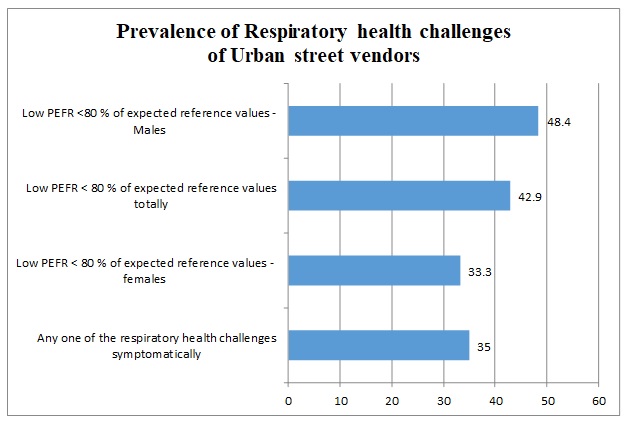
Fig. 3. Prevalence of at least one self-reported respiratory health challenge and objectively low PEFR(n=240)
Fig. 3. Prevalence of at least one self-reported respiratory health challenge and objectively low PEFR(n=240)
Qualitative: Qualitative insights from the FGDs complemented the quantitative findings through identifying five interrelated themes (Table 5): "Enduring the Sun and Smoke" (environmental hazards), "No Toilets, No Water, No Choice" (infrastructural neglect), "Work First, Health Later" (economic compulsion and health neglect), "Double Shift, Double Strain" (gender-specific workload and psychosocial burden), and "Patchy Help, Partial Trust" (healthcare access and system navigation). Collectively, these themes indicated how occupational exposures, inadequate infrastructure, economic constraints, and limited healthcare access shaped vendors' respiratory health experiences. The conceptual relationship between these themes and their influence on respiratory health challenges is displayed in Fig. 4.
Table 5. Qualitative findings from focus group discussions among urban street vendors (n = 17)
| Main Theme | Subthemes / Key Codes | Core Interpretation | Illustrative Quotes (with Participant ID) |
| 1. “Enduring the Sun and Smoke” – Embodied environmental hazards | • Heat exposure • Vehicular smoke • Dust allergy • Headache / sore throat • Musculoskeletal pain |
Daily exposure to heat, dust, and smoke leads to chronic respiratory irritation, fatigue, and pain, which vendors consider an inevitable part of work. The body becomes the site of adaptation to pollution. | “I have dust allergy. I sneeze a lot.” (P3)“Do you see smoke from the cars? Yes, I see smoke from the cars… The smoke is a little less.” (P14)“I have a lot of headache. Since I do business during the day, there is no shade.” (P11)“I have a headache and sore throat almost every day.” (P10) |
| 2. “No Toilets, No Water, No Choice” – Infrastructural neglect and daily survival | • Lack of sanitation • Paid public toilets • Hydration avoidance • Lack of shade / shelter |
Vendors face absence of basic amenities, forcing harmful coping such as avoiding water or skipping breaks. Structural neglect directly exacerbates health risks and diminishes dignity at work. | “I can’t drink water. I bring water from home.” (P1);“There is no bathroom nearby. I have to go home.” (P2);“The government has a public toilet, but they charge 5–6 rupees.” (P12);“If it rains now, we have to leave the shop. It will be difficult.” (P17) |
| 3. “Work First, Health Later” – Economic compulsion and health neglect | • Economic pressure • Health neglect • Self-medication • Limited healthcare access • Intermittent outreach |
Survival needs override self-care. Vendors often work despite illness, self-treat minor ailments, and delay seeking formal care. Financial insecurity drives reactive rather than preventive health behaviour. | “Even if I am not well, I will do business the next day.” (P10);“If we get normal headaches, only then we go to the hospital.” (P14);“We buy medicines from the hospital… normally we get rid of the chills and coughs.” (P3);“They come once every two or three months… they give BP and sugar tablets.” (P15) |
| 4. “Double Shift, Double Strain” – Gendered workload and psychosocial burden | • Dual roles (home + work) • Sleep deprivation • Emotional exhaustion • Family conflict • Social isolation |
Women vendors balance vending and caregiving duties, leading to chronic fatigue and emotional distress. Family conflicts and lack of support heighten vulnerability, though peer relations offer limited comfort. | “We have to cook and eat at home… wake up at 5 in the morning.” (P17);“I am becoming depressed… my family members are creating problems.” (P16);“If I sleep for five hours, I will not be able to sleep properly.” (P13);“He has gone to his home… I am alone now.” (P7) |
| 5. “Patchy Help, Partial Trust” – Evolving Healthcare Navigation and Systemic Shifts | • Barriers to care • Perceived improvement • Corruption / informal payments • Selective welfare access |
Experiences with healthcare are mixed — some report free services and improved hospitals, others recount bribery or exclusion. These mixed experiences shape partial trust and erratic utilization. | “He will drink tea for 50–100 rupees, then ask for 1000 or 2000 rupees for the operation.” (P19);“The government hospital is open for free… it’s better than before.” (P8);“Only two or three people get money from the Private Foundation.” (P9);“They come once every two or three months to deliver tablets.” (P15) |
Fig. 4. Conceptual framework of the lived health experience of urban street vendors
Discussion
The present study demonstrated a considerable burden of respiratory health challenges among urban street vendors in Chennai, with 35% reporting at least one respiratory symptom and 42.9% having diminished PEFR (<80% predicted). These findings align with evidence from India and other countries, reinforcing the adverse influence of prolonged occupational exposure to traffic-related air pollution on respiratory health.
The present study reported a prevalence of 2.9% for asthma, 5.0% for chronic bronchitis, and 14.2% for breathlessness, which were lower than those documented among roadside shopkeepers in Bhopal (3.6%, 13.9%, and 35.5%, respectively).16 Likewise, 35% of vendors in the present study reported at least one respiratory health challenge, compared with 55% in the Bhopal study [13]. Further, 42.9% of participants had lowered PEFR, with a higher prevalence among males (48.4%). These differences may be explained by variations in participant characteristics, occupational exposure patterns, study design, environmental conditions, outcome definitions, as well as respiratory assessment methods. Chennai also has comparatively better ambient air quality than many other Indian metropolitan cities, though pollutant levels remain above the World Health Organization recommended limits.9 Thus, both methodological and environmental factors should be considered when interpreting comparisons across studies.
This study indicated a significant association between age (OR=1.775) and sex (OR=1.873) with respiratory health challenges, similar to recent studies in India. These findings imply that male vendors, older individuals, and those with longer occupational exposure may be at greater risk of respiratory health challenges, emphasizing the need for targeted occupational health interventions. A 2023 study in a semi-urban area also identified age as a significant factor for respiratory morbidities among vendors [14], while a 2025 study highlighted the interaction of sex on pulmonary function in patients with chronic respiratory disease [15]. Comparable respiratory morbidities have also been reported among road-exposed occupational groups in India. Lung function evaluations among street vendors in Chennai demonstrated diminished spirometric parameters [16], whereas a study from Deoghar reported lung function comparable to that of smokers [17]. Similar findings have been documented from Kolkata and Dehradun, where increased exposure to particulate matter and higher respirable deposition doses were linked to impaired lung function and a greater prevalence of respiratory symptoms among street vendors [18, 19]. These observations are in line with the present study, in which prolonged occupational exposure, measured using the Total Exposure Period (TEP), was a significant predictor of wheeze (OR = 7.665; p = 0.043) and breathlessness (OR = 3.304; p = 0.039). Collectively, these findings imply that cumulative exposure to traffic-related air pollution is a key determinant of respiratory health among urban street vendors across different Indian settings.
Globally, similar to this study, vendors confront increased symptoms and flow reductions. Bangkok young vendors reported 50% lower respiratory symptoms [20]. Nigerian street traders displayed substantial PEFR deficits associated with symptoms [6]. Epidemiological evidence confirms long-term pollution’s detrimental lung impacts [21]. Long-term exposure inversely relates to lung function, with PM₂.₅ reducing PEFR in children (-3.7 L/min per 10 µg/m³) [22].
In South Africa, informal food vendors in semi-urban areas exhibited elevated respiratory morbidities associated with traffic-related air pollution, reflecting significant associations between exposure and symptoms [23]. In Thailand, adult street vendors in Bangkok faced heightened exposure to traffic-related pollutants, leading to adverse health effects comparable to our PEFR reductions, underscoring the need for universal protective strategies [24]. These international parallels reinforce calls for multisectoral approaches to mitigate pollution-driven disparities.
The observed association between respiratory symptoms and diminished PEFR supports the internal consistency of the findings, as participants reporting respiratory symptoms were also more likely to exhibit objectively reduced lung function. Biologically, pollutants induce inflammation, oxidative stress and airway remodelling, which lead to narrowing of bronchioles, increased airway resistance and reducing maximal expiratory flow capacity (PEFR) [25]. Dose-response with TEP supports causality, parallel to other studies, where each incremental exposure unit correlates with progressive reductions in flow parameters.6 Smoking is an important respiratory risk factor that contributes to oxidative and inflammatory damage, impairs mucociliary clearance, and promotes airway remodelling [26]. In this study, the odds of reduced PEFR were higher among smokers, consistent with the established adverse effects of tobacco smoking on lung function.
In this study, people over 35 years old and who travelled more than 5 km daily had higher exposure to air pollution, which may exacerbate breathing problems. The observed correlation between lower educational status and respiratory health challenges may reflect differences in occupational exposure, socioeconomic conditions, health literacy, and access to preventive measures. Nevertheless, these factors were not directly appraised in the present study and warrant further investigation. Although other socio-demographic and occupational variables were ascertained, they did not demonstrate significant associations with the study outcomes though their potential influence on respiratory health cannot be excluded and warrants further investigation.
The qualitative findings complemented the quantitative results through providing context for the observed high prevalence of respiratory symptoms and diminished PEFR. While the quantitative findings demonstrated the burden of respiratory health challenges and their association with prolonged occupational exposure, the FGDs exhibited that vendors largely accepted these symptoms as part of their occupation. Themes such as "Enduring the Sun and Smoke" and "Work First, Health Later" illustrated how economic necessity often superseded health concerns, whereas "No Toilets, No Water, No Choice" and "Patchy Help, Partial Trust" highlighted the broader structural as well as healthcare barriers that contributed to these health challenges. A mixed-methods phenomenological analysis in Bogotá, Colombia, identified occupational hazards, including pollution-induced respiratory issues, akin to our vendors’ "enduring the sun and smoke" as accepted suffering [27]. In Yangon, Myanmar, a qualitative comparison of informal workers unveiled psychosocial strains, infrastructural deficits (e.g., sanitation shortages), and economic pressures paralleling our "double shift, double strain" and "work first, health later" themes, where income supersedes health amid exposures [28]. A health risk assessment in Johannesburg, South Africa, comparing informal food vendors documented analogous augmented respiratory and musculoskeletal risks from ambient pollution and poor conditions, amplified by policy shortcomings and limited healthcare—echoing our "patchy help, partial trust" and infrastructural neglect, and advocating for urban-specific interventions [29]. These cross-contextual alignments validate the pervasive yet context-dependent nature of informal vending hazards.
The strengths of this study included its mixed-methods design, which integrated quantitative findings with qualitative insights. Further, respiratory health was appraised using both subjective symptom reporting and objective PEFR measurements, while the Traffic Exposure Point (TEP) score provided an objective estimate of occupational exposure.
This study had some limitations. First, individual exposure to air pollutants (e.g., PM₂.₅) was not measured using personal monitoring devices. Also, identification of high-traffic vending locations using Google Maps may have introduced selection bias by underrepresenting vendors working in less visible or lower-traffic areas. Further, PEFR was employed as a screening tool rather than diagnostic spirometry, though predicted PEFR values were calculated using participants' age, sex, and height. In addition, smoking exposure was ascertained only as smoking status without quantifying the type, duration, or intensity of tobacco use. Also, the small number of asthma cases (n = 7) led to a wide confidence interval for the corresponding odds ratio; thus, this finding should be interpreted with caution. Eventually, the cross-sectional design limits causal inference, and seasonal variations in ambient air pollution were not assessed. Future longitudinal studies incorporating personal air pollution monitoring and comprehensive pulmonary function testing are warranted.
Conclusion
This study demonstrated that urban street vendors in Chennai are facing substantial respiratory burdens, with 35% reporting symptoms and 42.9% exhibiting low PEFR, driven by chronic traffic pollution, smoking, and prolonged exposure. Qualitative insights indicate vendors normalize these risks amid infrastructural neglect, financial insecurity, and gender – specific challenges, prioritizing survival over health. These findings, in accordance with regional and global evidence, highlight the significance of implementing multi-sectoral interventions integrating occupational health safeguards, urban planning reforms, and regulatory enforcement. Targeted measures, including improved sanitation and drinking water facilities, periodic respiratory health screening, health education, and strategies to lower prolonged traffic exposure, are essential to protect this vulnerable workforce and promote health equity in the informal sector.
Acknowledgments
Sincere thanks to the social workers for receiving training from the Department of Physiology, BMCH as well as for their diligent use of the peak flow meter during data collection. We would also like to express our gratitude to Dr. Karthik Balajee, Associate Professor, Department of Community Medicine, JIPMER, for his invaluable expertise in designing the semi-structured guide for the Focus Group Discussions (FGDs).
Conflict of interest
None declared.
Funding
The authors received no financial support for the research, authorship, and/or publication of this article.
Ethical Considerations
The study was conducted in accordance with ethical principles for research involving human participants. Institutional Ethical Clearance was obtained before commencement of the study (BIEC–084–24). Eligible participants were informed about the study objectives and procedures, and written informed consent was obtained from all participants before data collection. Participation was voluntary, and participants were assured that the information collected would be used solely for research purposes and maintained in confidence.
Code of Ethics
The study protocol was approved by the Institutional Ethics Committee of Bhaarath Medical College and Hospital (Ethics code: BIEC–084–24).
Authors' Contributions
Vanitha Durai: Conceptualization, study design, definition of intellectual content, literature search, clinical studies, data acquisition, data analysis, statistical analysis, manuscript preparation, manuscript editing, manuscript review, guarantor; Ramya Selvaraj: Literature search, clinical studies, data acquisition, data analysis, statistical analysis, manuscript preparation, manuscript editing, manuscript review, guarantor; Inba Raja Alagesan: Literature search, data analysis, statistical analysis, manuscript preparation, manuscript editing, manuscript review, guarantor. All authors contributed to the final review and approval of the manuscript for publication.
References
1. International Labour Organization. India Employment Report 2024: Youth Employment, Education and Skills. Geneva, Switzerland: International Labour Organization; 2024. [URL]
2. Jha R. Strengthening urban India's informal economy: The case of street vending. ORF Issue Brief. 2023;249:1-7. [URL]
3. Bhowmik SK. Hawkers and the urban informal sector: A study of street vending in seven cities. Manchester, North West England, United Kingdom: Women in Informal Employment: Globalizing and Organizing (WIEGO); 2001. [URL]
4. Government of India, Ministry of Housing and Urban Poverty Alleviation. National Policy on Urban Street Vendors. New Delhi, India: Government of India, Ministry of Housing and Urban Poverty Alleviation; 2009. [URL]
5. Kumar S. Street Vendors (Protection of Livelihood and Regulation of Street Vending) Act 2014. A Right Based approach to livelihood. Int Res J Manag Sociol Humanit. 2014;5:167-9.
6. Kongtip P, Thongsuk W, Yoosook W, Chantanakul S. Health effects of metropolitan traffic-related air pollutants on street vendors. Atmos Environ. 2006;40(37):7138-45. [DOI]
7. Ramesh N. Prevalence of respiratory morbidity among shopkeepers in the vicinity of a national highway, Bangalore. Int J Occup Saf Health. 2015;5(1):17-21. [DOI]
8. Chujit W, Wiwatanadate P, Deesomchok A, Sopajaree K, Eldeirawi K, Tsai YI. Air pollution levels related to peak expiratory flow rates among adult asthmatics in Lampang, Thailand. Aerosol Air Qual Res. 2020;20(6):1398-410.
9. IQAir Staff Writers. 2024 IQAir World Air Quality Report. Steinach, Switzerland: IQAir; 2025. [URL]
10. Jindal SK, Aggarwal AN, Gupta D, Agarwal R, Kumar R, Kaur T, et al. Indian study on epidemiology of asthma, respiratory symptoms and chronic bronchitis in adults (INSEARCH). Int J Tuberc Lung Dis. 2012;16(9):1270-7. [DOI] [PMID]
11. Renjith V, Yesodharan R, Noronha JA, Ladd E, George A. Qualitative methods in health care research. Int J Prev Med. 2021;12:20. [DOI] [PMID] [PMCID]
12. Braun V, Clarke V. Using thematic analysis in psychology. Qual Res Psychol. 2006;3(2):77-101. [DOI]
13. De S, Kushwah GDS, Dharwey D, Shanmugasundaram D. Respiratory morbidity of roadside shopkeepers exposed to traffic-related air pollution in Bhopal, India. J Health Pollut. 2019; 9(21):190305. [DOI] [PMID] [PMCID]
14. Keny G, Pandey AN. Assessment of respiratory morbidities among shopkeepers and vendors in a semi-urban area. J Ecophysiol Occup Health. 2023;23(4):291–8.
15. Chakraborty A, Ghoshal S, Ferdous S, Samuel SA, Mondal R, Ghosh T. Interaction of Body Mass Index and Sex on Pulmonary Function Tests among patients with Chronic Obstructive Respiratory Disease: An Observational study from a Tertiary Centre in India. Int J Kinanthropometry. 2025;5(1):140-53. [DOI]
16. Jain DK, Preetha S, Sridevi G, Pratap L. Assessment of Lung Function Test on Street Vendors of Chennai Region, India. J Pharm Res Int. 2021;33(61B):407-15. [DOI]
17. Juhi A, Pinjar MJ, Malik A, Mondal H. Comparative Evaluation of Pulmonary Function in Male Street Vendors Versus Smokers: Insights into Occupational and Lifestyle Impact. Maedica (Bucur). 2024;19(2):312-6. [DOI] [PMID] [PMCID]
18. Ghosh N, Das B, Das N, Chatterjee S, Debsarkar A, Dutta A, et al. Particulate matter and adverse respiratory health outcome: Exposure of street vendors in Kolkata city in India. Pollution. 2021;7(4):769-85. [DOI]
19. Prabhu V, Gupta SK, Madhwal S, Shridhar V. Exposure to atmospheric particulates and associated respirable deposition dose to street vendors at the residential and commercial sites in Dehradun city. Saf Health Work. 2019;10(2):237-44. [DOI] [PMID] [PMCID]
20. Noomnual S, Shendell DG. Young adult street vendors and adverse respiratory health outcomes in Bangkok, Thailand. Saf Health Work. 2017;8(4):407-9. [DOI] [PMID] [PMCID]
21. Su JG, Vuong V, Shahriary E, Aslebagh S, Yakutis E, Sage E, et al. Health effects of air pollution on respiratory symptoms: A longitudinal study using digital health sensors. Environ Int. 2024; 189:108810. [DOI] [PMID]
22. Gross A, Tham R, Dharmage SC, Röösli M, Frey U, Gorlanova O. Exposure to long-term ambient air pollution and lung function in adults: a systematic review and meta-analysis. Eur Respir Rev. 2025;34(176):240264. [DOI] [PMID] [PMCID]
23. Sepadi MM, Nkosi V. Working conditions and respiratory health of informal food vendors´ in Johannesburg, South Africa: a cross-sectional pilot study. PAMJ One Health. 2022;8:8. [DOI]
24. Noomnual S, Shendell DG. Risk of adult street vendor exposure to traffic-related air pollution in Bangkok, Thailand. Hum Ecol Risk Assess. 2017;23(2):340-9. [DOI]
25. Hall JE. Guyton and Hall Textbook of Medical Physiology. 14th ed. Philadelphia United States: Elsevier; 2021.
26. Broaddus VC, Ernst JD, King Jr TE, Lazarus SC, Sarmiento KF, Schnapp LM, et al, editors. Murray & Nadel's textbook of respiratory medicine e-book. 2-Volume Set. 7th ed. New York, United States: Elsevier Health Sciences; 2021.
27. Moreno-Chaparro J, Guzmán-Suárez OB, Bermúdez-Lugo M, Muñoz-González JS, Sánchez-Avellaneda LA. Analysis of working and health conditions in street vendors of Bogotá, Colombia, in the context of the COVID-19 pandemic. Rev Bras Med Trab. 2024;22(3):e20231203. [DOI] [PMCID]
Send email to the article author
| Rights and permissions | |
 |
This work is licensed under a Creative Commons Attribution 4.0 International License. |