Journal of Occupational
Health and Epidemiology

Rafsanjan university Of medical sciences
Volume 15, Issue 1 (Winter 2026)
J Occup Health Epidemiol 2026, 15(1): 23-31 |
Back to browse issues page




Download citation:
BibTeX | RIS | EndNote | Medlars | ProCite | Reference Manager | RefWorks
Send citation to:


BibTeX | RIS | EndNote | Medlars | ProCite | Reference Manager | RefWorks
Send citation to:
Khanamani Falahati-Pour S, Ostadebrahimi H, Vazirinejad R, Mokhtari Sorkhani T, Baghery F, Mohammadi Shahrokhi V, et al . Demographic, Nutritional, Obstetrics, Maternal, and Neonatal Outcomes of Pregnant Women with Covid-19; A Cross Sectional Descriptive Study. , J Occup Health Epidemiol. 2026; 15 (1) :23-31
URL: http://johe.rums.ac.ir/article-1-745-en.html
URL: http://johe.rums.ac.ir/article-1-745-en.html
Related article in
Google Scholar
Google Scholar
Similar articles
Soudeh Khanamani Falahati-Pour1 

 , Hamid Ostadebrahimi2 , Reza Vazirinejad3 , Tayebeh Mokhtari Sorkhani4 , Fatemeh Baghery1 , Vahid Mohammadi Shahrokhi5 , Fatemeh Amin6 , Azita Manshouri7 , Soheila Pourmasumi *8 , Hadis Ahmadirad**9
1- Associated Prof., Pistachio Safety Research Center, Rafsanjan University of Medical Sciences, Rafsanjan, Iran.
2- Assistant Prof., Dept. of Pediatrics, Rafsanjan University of Medical Sciences, Rafsanjan, Iran.
3- Professor, Occupational Safety and Health Research Center, NICICO, World Safety Organization, Rafsanjan University of Medical Sciences, Rafsanjan, Iran.
4- Ph.D. in Health Education and Health Promotion, Research Center for Nursing and Midwifery Care, Dept. of Midwifery, School of Nursing and Midwifery, Shahid Sadoughi University of Medical Sciences, Yazd, Iran. & Ph.D. in Health Education and Health Promotion, Social Determinants of Health Research Center, Non-communicable Diseases Research Institute, Dept. of Health Education and Promotion, School of Public Health, Shahid Sadoughi University of Medical Sciences, Yazd, Iran.
5- Associated Prof., Immunology of Infectious Diseases Research Center, Research Institute of Basic Medical Sciences, Rafsanjan University of Medical Sciences, Rafsanjan, Iran. & Associated Prof., Dept. of Immunology, Faculty of Medicine, Rafsanjan University of Medical Sciences, Rafsanjan, Iran.
6- Physiology-Pharmacology Research Center, Research Institute of Basic Medical Sciences, Rafsanjan University of Medical Sciences, Rafsanjan, Iran
7- Assistant Prof., Dept. of Gynecology, School of Medicine, Rafsanjan University of Medical Sciences, Rafsanjan, Iran. & Assistant Prof., Clinical Research Development Unit (CRDU), Niknafs Hospital, Rafsanjan University of Medical sciences, Rafsanjan, Iran.
8- Assistant Prof., Social Determinants of Health Research Center, Rafsanjan University of Medical Sciences, Rafsanjan, Iran. & Assistant Prof., Clinical Research Development Unit (CRDU), Ali-Ibn Abi-Talib Hospital, Rafsanjan University of Medical Sciences, Rafsanjan, Iran. ,spourmasumi@yahoo.com
9- Ph.D. in Clinical Biochemistry, Pistachio Safety Research Center, Rafsanjan University of Medical Sciences, Rafsanjan, Iran. hahmadirad@yahoo.com
2- Assistant Prof., Dept. of Pediatrics, Rafsanjan University of Medical Sciences, Rafsanjan, Iran.
3- Professor, Occupational Safety and Health Research Center, NICICO, World Safety Organization, Rafsanjan University of Medical Sciences, Rafsanjan, Iran.
4- Ph.D. in Health Education and Health Promotion, Research Center for Nursing and Midwifery Care, Dept. of Midwifery, School of Nursing and Midwifery, Shahid Sadoughi University of Medical Sciences, Yazd, Iran. & Ph.D. in Health Education and Health Promotion, Social Determinants of Health Research Center, Non-communicable Diseases Research Institute, Dept. of Health Education and Promotion, School of Public Health, Shahid Sadoughi University of Medical Sciences, Yazd, Iran.
5- Associated Prof., Immunology of Infectious Diseases Research Center, Research Institute of Basic Medical Sciences, Rafsanjan University of Medical Sciences, Rafsanjan, Iran. & Associated Prof., Dept. of Immunology, Faculty of Medicine, Rafsanjan University of Medical Sciences, Rafsanjan, Iran.
6- Physiology-Pharmacology Research Center, Research Institute of Basic Medical Sciences, Rafsanjan University of Medical Sciences, Rafsanjan, Iran
7- Assistant Prof., Dept. of Gynecology, School of Medicine, Rafsanjan University of Medical Sciences, Rafsanjan, Iran. & Assistant Prof., Clinical Research Development Unit (CRDU), Niknafs Hospital, Rafsanjan University of Medical sciences, Rafsanjan, Iran.
8- Assistant Prof., Social Determinants of Health Research Center, Rafsanjan University of Medical Sciences, Rafsanjan, Iran. & Assistant Prof., Clinical Research Development Unit (CRDU), Ali-Ibn Abi-Talib Hospital, Rafsanjan University of Medical Sciences, Rafsanjan, Iran. ,
9- Ph.D. in Clinical Biochemistry, Pistachio Safety Research Center, Rafsanjan University of Medical Sciences, Rafsanjan, Iran. hahmadirad@yahoo.com
Article history

Received: 2024/12/10
Accepted: 2025/07/15
ePublished: 2026/03/30
Accepted: 2025/07/15
ePublished: 2026/03/30
Subject:
Epidemiology
Full-Text [PDF 343 kb]
(337 Downloads)
| Abstract (HTML) (1165 Views)
Table 1. Demographic information of 50 pregnant women with coronavirus disease (COVID-19)
Table 2. History of previous pregnancy of 50 pregnant women with Coronavirus disease (COVID-19)
Table 3. Clinical characteristics and treatments of 50 pregnant women with coronavirus disease (COVID-19)
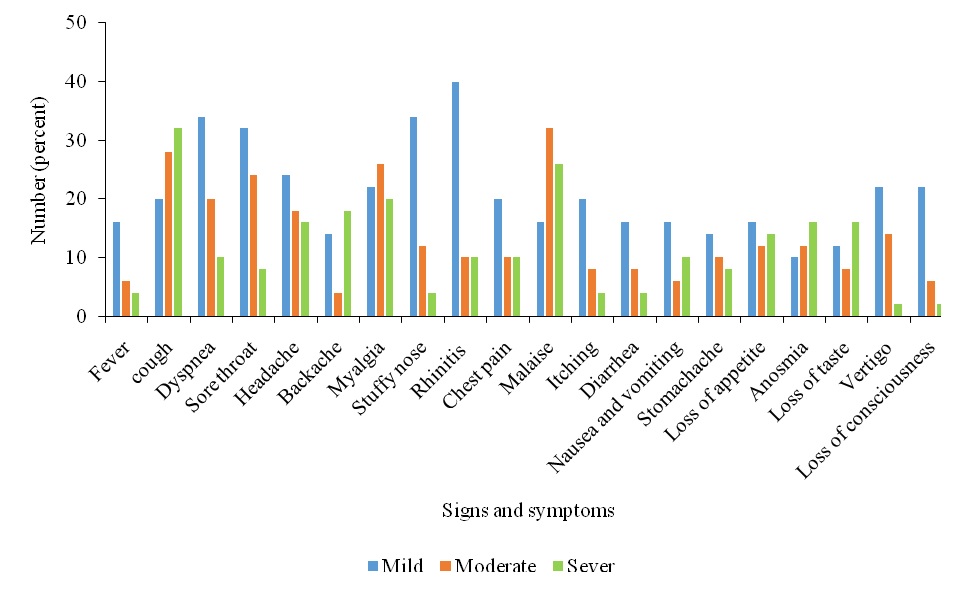
Fig. 1. Signs and symptoms of 50 pregnant women with coronavirus disease (COVID-19)
Table 4. Nutritional characteristics of 50 pregnant women with coronavirus disease (COVID-19)
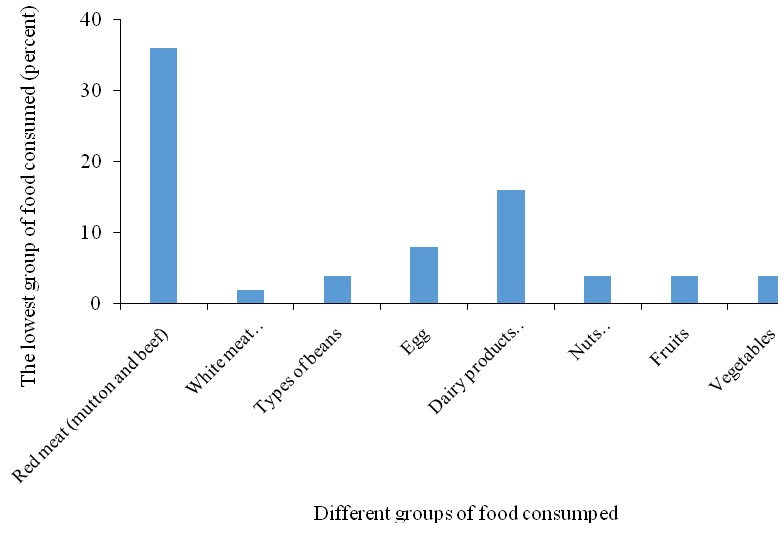
Fig. 2. The lowest group of food consumed by 50 pregnant women with coronavirus disease (COVID-19)
Table 5. Maternal outcomes of 50 pregnant women with coronavirus disease (COVID-19)
Table 6. Neonates born outcomes of 50 pregnant women with coronavirus disease (COVID-19)
Full-Text: (11 Views)
Introduction
Pregnancy is a unique physiological state accompanied by significant immunological, hormonal, and cardiopulmonary changes, which may increase susceptibility to infectious diseases and their complications [1]. During this period, the maternal body undergoes substantial adaptations in the cardiovascular, respiratory, and immune systems to support the growing demands of the fetus [2]. These changes, while necessary for a successful pregnancy, may also alter the mother’s susceptibility to infectious diseases and affect the severity of their clinical manifestations [3]. Thus, pregnancy is often regarded as a vulnerable period in which maternal health can have direct and significant consequences for fetal and neonatal well-being. In addition to physiological adaptations, maternal demographic characteristics, nutritional status, and obstetric history play important roles in determining pregnancy outcomes. Factors such as age, body mass index, socioeconomic condition, dietary habits, parity, and preexisting maternal disorders may impact both maternal and neonatal health [4-6]. Adequate maternal nutrition along pregnancy is especially critical, as it contributes not only to the mother’s health but also to fetal growth, birth outcomes, and neonatal adaptation after delivery [7]. Similarly, obstetric factors such as gestational age, mode of delivery, pregnancy complications, and access to prenatal care are important determinants of pregnancy outcomes [8].
The coronavirus disease (COVID-19) pneumonia has been an emerging disease that has been associated with a rapid increase in mortality since its first diagnosis in China in December 2019. Coronavirus disease 2019 (COVID-19), caused by Severe Acute Respiratory Syndrome Coronavirus 2 (SARS-CoV-2), rapidly spread across many countries and became a global pandemic.[9]. Meanwhile, the World Health Organization (WHO) considers Covid-19 as a pandemic [10]. In general, human infections with zoonotic coronaviruses (transmitted to humans and animals) including Severe Acute Respiratory Syndrome (SARS)-CoV, Middle East respiratory syndrome (MERS)-CoV, and Covid-19 have raised numerous public health concerns worldwide [11].
Coronavirus is usually caused by infections of the respiratory tract and gastrointestinal tract which can range from mild to more severe [12]. Previous studies noted that Covid 19 is released in the air by respiratory droplets, physical contact, and suspended particles [13], which can be detected via testing the Reverse transcription polymerase chain reaction (RT-PCR) and CT scans of the chest [14]. Meanwhile, the incidence of COVID-19 infection among pregnant women increased during the pandemic. Physiological changes occur during pregnancy to lower the acute immune response to inflammation. Also, changes in the body's cardiovascular system during pregnancy make pregnant mothers more susceptible to respiratory viruses than their non-pregnant counterparts [15].
In addition, along the epidemic of infectious diseases, special attention should be paid to the fetus and newborns. There is currently no evidence of vertical transmission from mother to fetus [16]. Chen et al. (2020) at Wuhan University in China investigated nine pregnant women with Covid-19. They found no signs of intrauterine infection caused by the corona virus and its vertical transmission to the fetus in the last month of pregnancy [10]. Nevertheless, many studies have noted that many infants become infected at birth through infected people [17-18]. Infants with the infection may be asymptomatic and have mild or severe symptoms.
Because Covid-19 may elevate the risk of pregnancy complications, there is still no evidence to suggest that pregnancy increases the risk of Covid-19. Indeed, in public health policies and strategies, pregnant women are considered a high-risk population. Nonetheless, there is little information about the effect of this disease on pregnancy.
Owing to the controversies surrounding isolation measures, it is necessary for reproductive health specialists to consider lifestyle quality parameters, dietary habits, and maternal and neonatal outcomes in pregnant women with COVID-19. Therefore, the present study was designed to examine the status of pregnant women with COVID -19 and their infants.
Based on aims (some maternal and neonatal information in pregnant women with COVID-19), our study focused on several main research questions: in pregnant woman infected by COVID-19 what is the prevalence of miscarriage, birth death, low birth weight, confirmed vertical transmission to neonate, pregnancy complications, delivery term and signs of Covid-19.
The results of present study can be useful for healthcare systems to develop management of training, educating, and counseling pregnant woman with COVID-19 to lower the risk of maternal and neonatal complications.
Materials and Methods
This descriptive cross-sectional study was performed in Rafsanjan Ali Ibn Abi Talib hospital and study population (50 pregnant women) were assessed by convenience sampling method, from the first of April 2021 to the end of September 2021. Data were retrospectively collected from hospital records in 2023.
Inclusion criteria: all pregnant women aged 18-40 years with Covid-19 who consented to participate in the study. The pregnancy was established by ultra sonography and Covid-19 confirmed by Polymerase chain reaction (PCR) or chest Computed tomography (CT) scan. Pregnant women younger than 18 years or older than 40 years, those who did not consent to participate in the study, and women with severe COVID-19-related conditions who were admitted to the intensive care unit before delivery were excluded from the study. Informed consent was taken from all participants and they were able to withdraw from study without any negative effects on their next medical care.
Demographic, obstetric, and nutritional information was collected using a researcher-made questionnaire and data obtained from the Hospital Standardization Program (HSP). Obstetrics parameters, along with maternal and neonatal outcomes were collected after delivery from file data sheet and medical records.
The data were classified into the following seven sections:
1: Demographic information (age, ethnicity, education, occupational status, blood groups, history of disease)
2: Fertility and pregnancy history (history of infertility, previous mode of delivery, history of miscarriage, previous pregnancy complications)
3: COVID-19 midwifery information (Gestational age at infection (wks), source of infection, epidemiological history, Covid testing, treatment and Covid-19 severity)
4: COVID-19 clinical information including signs and complications (fever, cough, dyspnea, etc.)
5: Nutritional characteristics (supplementation of multivitamin, iron, folic acid and different groups of food consumed)
6: Maternity information (type of delivery, miscarriage, time of delivery, pregnancy and postpartum complications)
7: Neonatal information (sex, birthweight, Apgar score,
presence of symptoms, newborn intensive care unit (NICU)) Data were categorized, with statistical analysis was performed using SPSS software (version 20.0, IBM). The characteristics of the data were described using relative frequencies for categorical variables. Qualitative variables were analyzed via the relative test, and numbers (percentages) were reported for qualitative variables. Continuous variables were compared between two groups using the independent t-test, and one-way analysis of variance (One-way ANOVA) was employed for comparisons among more than two groups. Descriptive indicators such as mean and standard deviation were reported for continuous quantitative data. The p-values below 0.05 were considered statistically significant.
Results
Out of 272 pregnant women referring to Ali Ibn Abi Talib Hospital, finally 50 women with an average age of 31.66 years participated in this study. Two pregnant women died. Four pregnant women had Afghan ethnicity (8%) with the majority of mothers holding a diploma (56%) and being a housekeeper (74%). Twenty-three showed blood group O+ and 16 had blood group A+, which were the two most common blood groups among patients. In the history of the disease, 8 patients with hypothyroidism (16%), 5 patients had thalassemia minor (10%), and 5 patients had anemia (10%) (Table 1).
Pregnancy is a unique physiological state accompanied by significant immunological, hormonal, and cardiopulmonary changes, which may increase susceptibility to infectious diseases and their complications [1]. During this period, the maternal body undergoes substantial adaptations in the cardiovascular, respiratory, and immune systems to support the growing demands of the fetus [2]. These changes, while necessary for a successful pregnancy, may also alter the mother’s susceptibility to infectious diseases and affect the severity of their clinical manifestations [3]. Thus, pregnancy is often regarded as a vulnerable period in which maternal health can have direct and significant consequences for fetal and neonatal well-being. In addition to physiological adaptations, maternal demographic characteristics, nutritional status, and obstetric history play important roles in determining pregnancy outcomes. Factors such as age, body mass index, socioeconomic condition, dietary habits, parity, and preexisting maternal disorders may impact both maternal and neonatal health [4-6]. Adequate maternal nutrition along pregnancy is especially critical, as it contributes not only to the mother’s health but also to fetal growth, birth outcomes, and neonatal adaptation after delivery [7]. Similarly, obstetric factors such as gestational age, mode of delivery, pregnancy complications, and access to prenatal care are important determinants of pregnancy outcomes [8].
The coronavirus disease (COVID-19) pneumonia has been an emerging disease that has been associated with a rapid increase in mortality since its first diagnosis in China in December 2019. Coronavirus disease 2019 (COVID-19), caused by Severe Acute Respiratory Syndrome Coronavirus 2 (SARS-CoV-2), rapidly spread across many countries and became a global pandemic.[9]. Meanwhile, the World Health Organization (WHO) considers Covid-19 as a pandemic [10]. In general, human infections with zoonotic coronaviruses (transmitted to humans and animals) including Severe Acute Respiratory Syndrome (SARS)-CoV, Middle East respiratory syndrome (MERS)-CoV, and Covid-19 have raised numerous public health concerns worldwide [11].
Coronavirus is usually caused by infections of the respiratory tract and gastrointestinal tract which can range from mild to more severe [12]. Previous studies noted that Covid 19 is released in the air by respiratory droplets, physical contact, and suspended particles [13], which can be detected via testing the Reverse transcription polymerase chain reaction (RT-PCR) and CT scans of the chest [14]. Meanwhile, the incidence of COVID-19 infection among pregnant women increased during the pandemic. Physiological changes occur during pregnancy to lower the acute immune response to inflammation. Also, changes in the body's cardiovascular system during pregnancy make pregnant mothers more susceptible to respiratory viruses than their non-pregnant counterparts [15].
In addition, along the epidemic of infectious diseases, special attention should be paid to the fetus and newborns. There is currently no evidence of vertical transmission from mother to fetus [16]. Chen et al. (2020) at Wuhan University in China investigated nine pregnant women with Covid-19. They found no signs of intrauterine infection caused by the corona virus and its vertical transmission to the fetus in the last month of pregnancy [10]. Nevertheless, many studies have noted that many infants become infected at birth through infected people [17-18]. Infants with the infection may be asymptomatic and have mild or severe symptoms.
Because Covid-19 may elevate the risk of pregnancy complications, there is still no evidence to suggest that pregnancy increases the risk of Covid-19. Indeed, in public health policies and strategies, pregnant women are considered a high-risk population. Nonetheless, there is little information about the effect of this disease on pregnancy.
Owing to the controversies surrounding isolation measures, it is necessary for reproductive health specialists to consider lifestyle quality parameters, dietary habits, and maternal and neonatal outcomes in pregnant women with COVID-19. Therefore, the present study was designed to examine the status of pregnant women with COVID -19 and their infants.
Based on aims (some maternal and neonatal information in pregnant women with COVID-19), our study focused on several main research questions: in pregnant woman infected by COVID-19 what is the prevalence of miscarriage, birth death, low birth weight, confirmed vertical transmission to neonate, pregnancy complications, delivery term and signs of Covid-19.
The results of present study can be useful for healthcare systems to develop management of training, educating, and counseling pregnant woman with COVID-19 to lower the risk of maternal and neonatal complications.
Materials and Methods
This descriptive cross-sectional study was performed in Rafsanjan Ali Ibn Abi Talib hospital and study population (50 pregnant women) were assessed by convenience sampling method, from the first of April 2021 to the end of September 2021. Data were retrospectively collected from hospital records in 2023.
Inclusion criteria: all pregnant women aged 18-40 years with Covid-19 who consented to participate in the study. The pregnancy was established by ultra sonography and Covid-19 confirmed by Polymerase chain reaction (PCR) or chest Computed tomography (CT) scan. Pregnant women younger than 18 years or older than 40 years, those who did not consent to participate in the study, and women with severe COVID-19-related conditions who were admitted to the intensive care unit before delivery were excluded from the study. Informed consent was taken from all participants and they were able to withdraw from study without any negative effects on their next medical care.
Demographic, obstetric, and nutritional information was collected using a researcher-made questionnaire and data obtained from the Hospital Standardization Program (HSP). Obstetrics parameters, along with maternal and neonatal outcomes were collected after delivery from file data sheet and medical records.
The data were classified into the following seven sections:
1: Demographic information (age, ethnicity, education, occupational status, blood groups, history of disease)
2: Fertility and pregnancy history (history of infertility, previous mode of delivery, history of miscarriage, previous pregnancy complications)
3: COVID-19 midwifery information (Gestational age at infection (wks), source of infection, epidemiological history, Covid testing, treatment and Covid-19 severity)
4: COVID-19 clinical information including signs and complications (fever, cough, dyspnea, etc.)
5: Nutritional characteristics (supplementation of multivitamin, iron, folic acid and different groups of food consumed)
6: Maternity information (type of delivery, miscarriage, time of delivery, pregnancy and postpartum complications)
7: Neonatal information (sex, birthweight, Apgar score,
presence of symptoms, newborn intensive care unit (NICU)) Data were categorized, with statistical analysis was performed using SPSS software (version 20.0, IBM). The characteristics of the data were described using relative frequencies for categorical variables. Qualitative variables were analyzed via the relative test, and numbers (percentages) were reported for qualitative variables. Continuous variables were compared between two groups using the independent t-test, and one-way analysis of variance (One-way ANOVA) was employed for comparisons among more than two groups. Descriptive indicators such as mean and standard deviation were reported for continuous quantitative data. The p-values below 0.05 were considered statistically significant.
Results
Out of 272 pregnant women referring to Ali Ibn Abi Talib Hospital, finally 50 women with an average age of 31.66 years participated in this study. Two pregnant women died. Four pregnant women had Afghan ethnicity (8%) with the majority of mothers holding a diploma (56%) and being a housekeeper (74%). Twenty-three showed blood group O+ and 16 had blood group A+, which were the two most common blood groups among patients. In the history of the disease, 8 patients with hypothyroidism (16%), 5 patients had thalassemia minor (10%), and 5 patients had anemia (10%) (Table 1).
Table 1. Demographic information of 50 pregnant women with coronavirus disease (COVID-19)
| Demographic information | N (%) | |
| Age | ≤ 30 years | 21 (42%) |
| 31–35 years | 15 (30 %) | |
| ≥ 36 years | 14 (28%) | |
| Ethnicity | Iranian | 46 (92%) |
| Afghan | 4 (8%) | |
| Education | Unlettered | 3 (6%) |
| Diploma | 28 (56%) | |
| Bachelor’s degree | 13 (26%) | |
| Master’s degree and PhD | 6 (12%) | |
| Occupational status | Housekeeper | 37 (74%) |
| Employee | 13 (26%) | |
| Blood groups | B+ | 4 (8%) |
| B- | 1 (2%) | |
| A+ | 16 (32%) | |
| A- | - | |
| AB+ | 4 (8%) | |
| AB- | - | |
| O+ | 23 (46%) | |
| O- | 2 (4%) | |
| History of disease | Healthy | 21 (42%) |
| Type 1 diabetes | 1 (2%) | |
| Type 2 diabetes | 1 (2%) | |
| Hypertension | 4 (8%) | |
| Anemia | 5 (10%) | |
| Chronic heart disease | 2 (4%) | |
| Chronic respiratory diseases | 1 (2%) | |
| Chronic kidney disease | 4 (8%) | |
| Migraine | 3 (6%) | |
| Fatty Liver | 1 (2%) | |
| Asthma | 1 (2%) | |
| Allergy | 2 (4%) | |
| Hypothyroidism | 8 (16%) | |
| Polycystic ovary syndrome | 1 (2%) | |
| Arthritis | 1 (2%) | |
| Constipation | 3 (6%) | |
| Thalassemia minor | 5 (10%) | |
The majority of pregnant women had no history of infertility (46%) and their previous delivery mode was reported as cesarean section (60%). Thirteen mothers with Covid-19 had a history of miscarriage (26%), 11 of whom had experienced less than three miscarriages (22%). The most common complications in previous pregnancies were introduced as urinary tract infection (16%) and maternal obesity (10%) (Table 2).
Table 2. History of previous pregnancy of 50 pregnant women with Coronavirus disease (COVID-19)
| History of previous pregnancy | N (%) | |
| History of infertility | Yes | 4 (8%) |
| No | 46 (92%) | |
| No. of infertility years | One ≤ | 1 (2%) |
| One > | 3 (6%) | |
| Previous delivery mode | Cesarean section | 30 (60%) |
| Natural delivery | 20 (40%) | |
| History of miscarriage | Yes | 13 (26%) |
| No | 37 (74%) | |
| No. of miscarriage | Three ≤ | 11 (22%) |
| Three > | 1 (2%) | |
| Pervious pregnancy complications | No complication | 25 (50%) |
| Molar pregnancy | 2 (4%) | |
| Stillbirth | 1 (2%) | |
| Gestational diabetes | 1 (2%) | |
| gestational hypertension | 2 (4%) | |
| Maternal obesity | 5 (10%) | |
| Intra Uterine Growth Retardation | 3 (6%) | |
| Urinary tract Infection | 8 (16%) | |
| Late delivery | 1 (2%) | |
| Placenta previa | 1 (2%) | |
| Fetal macrosomia | 1 (2%) | |
Nine of the samples were in the first trimester (19.5%), 19 in the second trimester (41.3%), and 18 in the last trimester of pregnancy (39.1%). Most mothers had become infected with Covid-19 through contact with infected people (65.3%), and in 50% of cases, they consulted with a midwife when the symptoms began (50%). In the present study, 54% of pregnant women were diagnosed with Covid-19 using PCR and 34% based on Chest X-ray. Among 50 pregnant women with the infection, 10 mothers needed mechanical ventilation (20%) and 1 mother post-delivery was admitted to the ICU (2%). Meanwhile, 4 patients received antibiotic drugs (8%) and 8 mothers were treated with antiviral drugs (16%) (Table 3).
Table 3. Clinical characteristics and treatments of 50 pregnant women with coronavirus disease (COVID-19)
| Clinical characteristics and Treatments | N (%) | |
| Gestational age at infection (wk) |
< 14 (The first trimester) | 9 (19.5%) |
| 14–28 (The second trimester) | 19 (41.3%) | |
| 28 < (The third trimester) | 18 (39.1%) | |
| Epidemiological history | Contact with infected person | 32 (65.3 %) |
| Exposure to relevant environment | 4 (8.1 %) | |
| Unclear | 13 (26.5%) | |
| The first consultation at the time of onset of symptoms | General practitioner | 6 (12%) |
| Midwife | 25 (50%) | |
| Gynecologist | 10 (20%) | |
| Infectious disease specialist | 12 (24%) | |
| Pulmonologist | 1 (2%) | |
| Internal Medicine Specialist | 6 (12%) | |
| Covid testing | Throat and nose swab | 27 (54%) |
| Chest X-ray | 17 (34%) | |
| Treatment | Antibiotic therapy | 4 (8%) |
| Antiviral therapy | 8 (16%) | |
| ICU admission | 1 (2%) | |
| Mechanical ventilation | 10 (20%) | |
| Covid-19 severity | Mild | 8 (16%) |
| Moderate | 26 (52%) | |
| Severe | 14 (28%) | |
Regarding the manifestations of Covid-19 disease in pregnancy, the most common symptoms were cough (80%), malaise (74%), myalgia (68%), sore throat (64%), and dyspnea (64%), respectively. Overall, the results of this study revealed that most mothers showed moderate disease severity (52%), though 14 of them reported severe degree of Covid-19 (28%)(Fig. 1).
Fig. 1. Signs and symptoms of 50 pregnant women with coronavirus disease (COVID-19)
In this study, most pregnant women with Covid-19 supplemented multivitamins (94%), iron (94%), and folic acid (94%) (Table. 4). Nevertheless, 36% of mothers consumed less red meat, 16% dairy products, and 8% eggs during pregnancy, respectively (Fig.2).
Table 4. Nutritional characteristics of 50 pregnant women with coronavirus disease (COVID-19)
| Nutritional characteristics | N (%) | |
| Multivitamin tablets | Yes | 47 (94%) |
| No | 3 (6%) | |
| Supplementation of iron | Yes | 47 (94%) |
| No | 3 (6%) | |
| Supplementation of folic acid | Yes | 47 (94%) |
| No | 3 (6%) | |
With regards to maternal outcomes, the frequency of cesarean section and vaginal delivery was obtained 58% and 42%, respectively. One miscarriage occurred at the first trimester, and most mothers had term deliveries (84%), though 8 preterm deliveries were also reported. Maternal obesity (18%), intrauterine growth retardation (18%), and urinary tract infection (18%) were among the main complications of mothers during pregnancy, respectively. Six mothers developed fever after delivery (12%) and five mothers needed mechanical ventilation (8%). One mother received antiviral drugs (2%) and 17 mothers were treated with antibiotic drugs (cephalexin) (34%) (Table 5).
Fig. 2. The lowest group of food consumed by 50 pregnant women with coronavirus disease (COVID-19)
Table 5. Maternal outcomes of 50 pregnant women with coronavirus disease (COVID-19)
| Maternal outcomes | N (%) | |
| Delivery mode | Cesarean section | 29 (58%) |
| Vaginal delivery | 21 (42%) | |
| Miscarriage | Yes | 1 (2%) |
| No | 49 (98%) | |
| Time of delivery | Preterm | 8 (16%) |
| Term | 42 (84%) | |
| Postterm | - | |
| Pregnancy complications | Gestational hypertensive | 4 (8%) |
| Tooth infection | 5 (10%) | |
| Maternal obesity | 9 (18%) | |
| Intra Uterine Growth Retardation | 9 (18%) | |
| Urinary tract Infection | 9 (18%) | |
| Remained in hospital | - | |
| Discharged | 50 (100%) | |
| Death | - | |
| Postpartum complications | Fever | 6 (12%) |
| Mechanical ventilation | 4 (8%) | |
| Treatment with antiviral drugs | 1 (2%) | |
| Treatment with antibiotics | 17 (34%) | |
Out of 50 patients, 36 males and 12 females were born, respectively. Most babies weighed an average of 2,500 to 4,000 grams (87.5%), and only six babies were born weighing less than 2,500 grams (12.5%). None of the infants presented signs and symptoms of covid-19, and 48 infants exhibited an Apgar score ≥ 7 at one and 5 minutes (96%). A male neonate death was observed in the second trimester and three days after birth. Also, one infant death was reported in the third trimester and one week after birth. The other two infants were admitted to the NICU owing to preterm delivery and low birth weight (<2500g) (Table 6).
Table 6. Neonates born outcomes of 50 pregnant women with coronavirus disease (COVID-19)
| Neonates born outcomes | N (%) | |
| Sex | Female | 12 (24%) |
| Male | 36 (74%) | |
| Birthweight (g) | Low birth weight (<2500g) | 6 (12.5%) |
| Average birth weight (2500-4000) | 42 (87.5%) | |
| Fetal macrosomia (>4000g) | - | |
| Pregnancy | Single | 47 (97.9%) |
| Twin | 1 (2%) | |
| Apgar score (1 min) | 7 ≥ | 48 (96%) |
| 7 < | 2 (4%) | |
| Apgar score (5 min) | 7 ≥ | 48 (96%) |
| 7 < | 2 (4%) | |
| Perform covid testing for baby | Yes | 5 (10%) |
| No | 44 (88%) | |
| Signs and symptoms of covid-19 | Yes | 0 |
| No | 50 (100%) | |
| NICU | Yes | 4 (8%) |
| No | 44 (88%) | |
| Death | 2 (4%) | |
Discussion
This descriptive study was undertaken to ascertain maternal and neonatal outcomes in patients with Covid-19 disease. Fifty pregnant women became infected with Covid-19 in Rafsanjan city along this period. Two maternal deaths were observed in this group; also, 3 infant deaths were reported in these individuals.
In some studies, in spite of severe symptoms, maternal death from COVID-19 has not been observed [19]. Also, Chen et al. (2020) investigated 9 pregnant women with Covid-19 and reported no death of maternal Covid-19 [10].
Other maternal outcomes were hypertension 4 (8%), dental infection 5 (10%), maternal obesity 9 (18%), intrauterine growth retardation 9 (18%), and urinary tract infection 9 (18%). In this regard, Askary et al. (2021) reported that 2 out of 16 pregnant women with Covid-19 had hypertension [20]. Yan et al. (2020) studied 116 pregnant women with Covid-19 and reported 5 (4.3%) hypertension and 2 (2.4%) abnormal fetal growth [21]. In general, studies have indicated that viral pneumonias in pregnant women are associated with an elevated risk of fetal growth retardation (FGR).
Considering delivery mode in the current study, 21 (42%) were vaginal delivery and 29 (58%) were cesarean section. The the prevalence of cesarean delivery was observed to be lower than the valre reported by Chenet al. (2020) and Yuet al. (2020) studies on pregnant women with Covid-19 (100%) [10,13]. This may be owing to the country's policies on physiological and normal delivery. In a study by Zhu et al. (2020), 7 pregnant women gave birth by cesarean section and two via vaginal delivery [22].
Studies have demonstrated that viral infection and physiological changes in a pregnant mother with Covid-19 often cause side effects, the most common being Preterm delivery. In the present study, 8 cases of preterm delivery and 2 cases of subsequent neonatal death occurred. In this regard, in the study by Azh et al. (2021) on 133 pregnant women with Covid-19, 12 cases of preterm delivery were documented [23]. The rate of preterm delivery was 31.25% in study of Askary et al (2020) [20] and 40% in China [24]. The cause of preterm delivery in a recent study was the use of retroviral drugs for sick mothers.
The most common symptom of Covid-19 in pregnancy
in the study was cough and malaise. In pregnant women, their tolerance to hypoxia diminishes due to a weakened immune system and physiological changes in the respiratory system (lowered diaphragm height and increased oxygen consumption).
In the study by Chen et al. (2020), pregnant women experienced cough (44%), dyspnea (33%), and malaise (22%) [10]. The most common signs and symptoms of Covid-19 disease in pregnant women appear to include fever, cough, and malaise.
In the present study, 5 infants were tested for Covid-19, but only one positive test was reported, which, in line with other studies, indicated that no vertical infection was seen in Covid-19.
The results of Zhu et al. (2020) study on 10 newborns revealed that Covid-19 test were not positive until 9 days after birth [22]. In this study, infection transmission was not reported vertically but through contact with an infected family [25].
The death of two infants was also reported in the present study. Azh et al. (2020) reported death of 4 infants from 133 pregnant mothers [23]. In this regard, Moayaet al. (2010) also examined 7 pregnant mothers in one of hospitals of Tehran, where the death of a baby was documented [26].
Infant death also appears to be associated with preterm delivery. In other words, high rates of preterm birth would lead to increased neonatal mortality.
In the present study, only 6 low birth weight infants were born and the rest were average birth weight. Chen et al. (2020) evaluated nine infants born to mothers with Covid-19 disease. They found that 4 infants were preterm delivery and 2 infants weighed less than 2500 grams [10]. Note that mothers of blood type O+ were the most affected by COVID-19. The results of Azh et al. (2021) on 133 pregnant women revealed that blood groups O+ had the highest incidence [23]. In the present study, an increase in Covid-19 disease was observed in pregnant women with hypothyroidism, thalassemia minor and anemia, respectively, a finding worth considering. On the other hand, most cases of infection were seen in mothers who ate less red meat during pregnancy. Most pregnant women experienced maternal obesity, intrauterine growth restriction, and urinary tract infection, which were among the most common complications observed.
Conclusion
This study found no severe maternal and neonatal complications in pregnant woman with COVID-19 infection. There was a high rate of moderate severity with COVID-19 in pregnant woman, with average birth weight in neonates. None of the neonates showed symptoms of covid-19 and 88% of neonates presented negative covid test result. Since COVID-19 is a new disease, so follow-up in long time is essential to find late effects of COVID-19 on the babies. Even though our study limitation was the small sample size, we believe that the results of the present study reported important points to better understand maternal and neonatal outcomes in pregnant woman with COVID-19 infection. Our results indicated useful information to help healthcare systems to develop methods and protocols for safe and healthy maternal delivery during COVID-19 infection.
Acknowledgements
We would like to express our sincere gratitude to the distinguished Vice-Chancellery for Research Technology, Rafsanjan University of Medical Sciences. Their invaluable and unwavering support was instrumental in the progress and completion of this research.
Conflict of interest
None declared.
Funding
This study was supported by Rafsanjan University of Medical Sciences.
Ethical Considerations
This study was conducted in accordance with the ethical principles of the Declaration of Helsinki for research involving human participants. Before the initiation of the study, the research protocol was reviewed and approved by the Ethics Committee of Rafsanjan University of Medical Sciences.
Code of Ethics
This study was approved by the ethics committee of the Rafsanjan University of Medical Sciences (RUMS) under code: IR.RUMS.REC.1400.047.
Authors' Contributions
Soudeh Khanamani Falahati-Pour, Soheila Pourmasumi and Hadis Ahmadirad: Contributed to the design and implementation of the research and played significant roles in drafting, writing, and revising the manuscript; Reza Vazirinejad and Vahid Mohammadi Shahrokhi: Contributed to data analysis and interpretation; Tayebeh Mokhtari Sorkhani, Fatemeh Baghery and Fatemeh Amin, Azita Manshoori: Participated in data collection. All authors have read and agreed to the published version of the manuscript. All authors take responsibility for the integrity of the data and the accuracy of the data analysis.
This descriptive study was undertaken to ascertain maternal and neonatal outcomes in patients with Covid-19 disease. Fifty pregnant women became infected with Covid-19 in Rafsanjan city along this period. Two maternal deaths were observed in this group; also, 3 infant deaths were reported in these individuals.
In some studies, in spite of severe symptoms, maternal death from COVID-19 has not been observed [19]. Also, Chen et al. (2020) investigated 9 pregnant women with Covid-19 and reported no death of maternal Covid-19 [10].
Other maternal outcomes were hypertension 4 (8%), dental infection 5 (10%), maternal obesity 9 (18%), intrauterine growth retardation 9 (18%), and urinary tract infection 9 (18%). In this regard, Askary et al. (2021) reported that 2 out of 16 pregnant women with Covid-19 had hypertension [20]. Yan et al. (2020) studied 116 pregnant women with Covid-19 and reported 5 (4.3%) hypertension and 2 (2.4%) abnormal fetal growth [21]. In general, studies have indicated that viral pneumonias in pregnant women are associated with an elevated risk of fetal growth retardation (FGR).
Considering delivery mode in the current study, 21 (42%) were vaginal delivery and 29 (58%) were cesarean section. The the prevalence of cesarean delivery was observed to be lower than the valre reported by Chenet al. (2020) and Yuet al. (2020) studies on pregnant women with Covid-19 (100%) [10,13]. This may be owing to the country's policies on physiological and normal delivery. In a study by Zhu et al. (2020), 7 pregnant women gave birth by cesarean section and two via vaginal delivery [22].
Studies have demonstrated that viral infection and physiological changes in a pregnant mother with Covid-19 often cause side effects, the most common being Preterm delivery. In the present study, 8 cases of preterm delivery and 2 cases of subsequent neonatal death occurred. In this regard, in the study by Azh et al. (2021) on 133 pregnant women with Covid-19, 12 cases of preterm delivery were documented [23]. The rate of preterm delivery was 31.25% in study of Askary et al (2020) [20] and 40% in China [24]. The cause of preterm delivery in a recent study was the use of retroviral drugs for sick mothers.
The most common symptom of Covid-19 in pregnancy
in the study was cough and malaise. In pregnant women, their tolerance to hypoxia diminishes due to a weakened immune system and physiological changes in the respiratory system (lowered diaphragm height and increased oxygen consumption).
In the study by Chen et al. (2020), pregnant women experienced cough (44%), dyspnea (33%), and malaise (22%) [10]. The most common signs and symptoms of Covid-19 disease in pregnant women appear to include fever, cough, and malaise.
In the present study, 5 infants were tested for Covid-19, but only one positive test was reported, which, in line with other studies, indicated that no vertical infection was seen in Covid-19.
The results of Zhu et al. (2020) study on 10 newborns revealed that Covid-19 test were not positive until 9 days after birth [22]. In this study, infection transmission was not reported vertically but through contact with an infected family [25].
The death of two infants was also reported in the present study. Azh et al. (2020) reported death of 4 infants from 133 pregnant mothers [23]. In this regard, Moayaet al. (2010) also examined 7 pregnant mothers in one of hospitals of Tehran, where the death of a baby was documented [26].
Infant death also appears to be associated with preterm delivery. In other words, high rates of preterm birth would lead to increased neonatal mortality.
In the present study, only 6 low birth weight infants were born and the rest were average birth weight. Chen et al. (2020) evaluated nine infants born to mothers with Covid-19 disease. They found that 4 infants were preterm delivery and 2 infants weighed less than 2500 grams [10]. Note that mothers of blood type O+ were the most affected by COVID-19. The results of Azh et al. (2021) on 133 pregnant women revealed that blood groups O+ had the highest incidence [23]. In the present study, an increase in Covid-19 disease was observed in pregnant women with hypothyroidism, thalassemia minor and anemia, respectively, a finding worth considering. On the other hand, most cases of infection were seen in mothers who ate less red meat during pregnancy. Most pregnant women experienced maternal obesity, intrauterine growth restriction, and urinary tract infection, which were among the most common complications observed.
Conclusion
This study found no severe maternal and neonatal complications in pregnant woman with COVID-19 infection. There was a high rate of moderate severity with COVID-19 in pregnant woman, with average birth weight in neonates. None of the neonates showed symptoms of covid-19 and 88% of neonates presented negative covid test result. Since COVID-19 is a new disease, so follow-up in long time is essential to find late effects of COVID-19 on the babies. Even though our study limitation was the small sample size, we believe that the results of the present study reported important points to better understand maternal and neonatal outcomes in pregnant woman with COVID-19 infection. Our results indicated useful information to help healthcare systems to develop methods and protocols for safe and healthy maternal delivery during COVID-19 infection.
Acknowledgements
We would like to express our sincere gratitude to the distinguished Vice-Chancellery for Research Technology, Rafsanjan University of Medical Sciences. Their invaluable and unwavering support was instrumental in the progress and completion of this research.
Conflict of interest
None declared.
Funding
This study was supported by Rafsanjan University of Medical Sciences.
Ethical Considerations
This study was conducted in accordance with the ethical principles of the Declaration of Helsinki for research involving human participants. Before the initiation of the study, the research protocol was reviewed and approved by the Ethics Committee of Rafsanjan University of Medical Sciences.
Code of Ethics
This study was approved by the ethics committee of the Rafsanjan University of Medical Sciences (RUMS) under code: IR.RUMS.REC.1400.047.
Authors' Contributions
Soudeh Khanamani Falahati-Pour, Soheila Pourmasumi and Hadis Ahmadirad: Contributed to the design and implementation of the research and played significant roles in drafting, writing, and revising the manuscript; Reza Vazirinejad and Vahid Mohammadi Shahrokhi: Contributed to data analysis and interpretation; Tayebeh Mokhtari Sorkhani, Fatemeh Baghery and Fatemeh Amin, Azita Manshoori: Participated in data collection. All authors have read and agreed to the published version of the manuscript. All authors take responsibility for the integrity of the data and the accuracy of the data analysis.
References
1. Chen M, Zeng J, Liu X, Sun G, Gao Y, Liao J, et al. Changes in physiology and immune system during pregnancy and coronavirus infection: A review. Eur J Obstet Gynecol Reprod Biol. 2020;255:124-8. [DOI] [PMID] [PMCID]
2. Kepley JM, Bates K, Mohiuddin SS. Physiology, maternal changes. In: StatPearls [Internet]: Treasure Island (FL): StatPearls Publishing; 2026 [PMID] [Bookshelf ID]
3. Kumar M, Saadaoui M, Al Khodor S. Infections and pregnancy: effects on maternal and child health. Front Cell Infect Microbiol. 2022;12:873253. [DOI] [PMID] [PMCID]
4. Rahman MM, Abe SK, Kanda M, Narita S, Rahman MS, Bilano V, et al. Maternal body mass index and risk of birth and maternal health outcomes in low‐and middle‐income countries: a systematic review and meta‐analysis. Obes Rev. 2015;16(9):758-70. [DOI] [PMID]
5. Vazirinejad R, Darakhshan S, Esmaeili A, Hadadian S. The effect of maternal breast variations on neonatal weight gain in the first seven days of life. Int Breastfeed J. 2009;4:13. [DOI] [PMID] [PMCID]
6. Vazirinejad R, Masoodpour N, Puyanfar A. Survival Rate of Low and Very Low Birth Weight Neonates in an Iranian Community. Iran J Public Health. 2012;41(2):87-93. [URL]
7. Nnam NM. Improving maternal nutrition for better pregnancy outcomes. Proc Nutr Soc. 2015;74(4):454-9. [DOI] [PMID]
8. Mehari MA, Maeruf H, Robles CC, Woldemariam S, Adhena T, Mulugeta M, et al. Advanced maternal age pregnancy and its adverse obstetrical and perinatal outcomes in Ayder comprehensive specialized hospital, Northern Ethiopia, 2017: a comparative cross-sectional study. BMC Pregnancy Childbirth. 2020;20(1):60. [DOI] [PMID] [PMCID]
9. She J, Jiang J, Ye L, Hu L, Bai C, Song Y. 2019 novel coronavirus of pneumonia in Wuhan, China: emerging attack and management strategies. Clin Transl Med. 2020;9(1):19. [DOI] [PMID] [PMCID]
10. Chen H, Guo J, Wang C, Luo F, Yu X, Zhang W, et al. Clinical characteristics and intrauterine vertical transmission potential of COVID-19 infection in nine pregnant women: a retrospective review of medical records. Lancet. 2020;395(10226):809-15. [DOI] [PMID] [PMCID]
11. Meo SA, Alhowikan AM, Al-Khlaiwi T, Meo IM, Halepoto DM, Iqbal M, et al. Novel coronavirus 2019-nCoV: prevalence, biological and clinical characteristics comparison with SARS-CoV and MERS-CoV. Eur Rev Med Pharmacol Sci. 2020;24(4):2012-9. [DOI] [PMID]
12. Shariatzadeh M, Sarfaraz Z, Alazemani F, Azizi H, Ahmadi Y. The effect of COVI-19 on the health status of pregnant women and their neonates: A systematic review study. Q J Nurs Manag. 2020;9(1):4-14. [URL]
13. Yu N, Li W, Kang Q, Xiong Z, Wang S, Lin X, et al. Clinical features and obstetric and neonatal outcomes of pregnant patients with COVID-19 in Wuhan, China: a retrospective, single-centre, descriptive study. Lancet Infect Dis. 2020;20(5):559-64. [DOI] [PMID] [PMCID]
14. Qiao J. What are the risks of COVID-19 infection in pregnant women? Lancet. 2020;395(10226):760-2. [DOI] [PMID] [PMCID]
15. Elwood C, Boucoiran I, VanSchalkwyk J, Money D, Yudin M, Poliquin V. WITHDRAWN: SOGC committee opinion–COVID-19 in pregnancy. J Obstet Gynaecol Can. 2020;101453. [DOI]
16. Woodward A. A pregnant mother infected with the coronavirus gave birth, and her baby tested positive 30 hours later. Bus Insid India [online]. 2020. [URL]
17. Baud D, Giannoni E, Pomar L, Qi X, Nielsen-Saines K, Musso D, et al. COVID-19 in pregnant women–Authors' reply. Lancet Infect Dis. 2020;20(6):654. [DOI] [PMID] [PMCID]
18. Boelig RC, Manuck T, Oliver EA, Di Mascio D, Saccone G, Bellussi F, et al. Labor and delivery guidance for COVID-19. Am J Obstet Gynecol MFM. 2020;2(2):100110. [DOI] [PMID] [PMCID]
19. Rahimi F, Goli S. Coronavirus (19) in Pregnancy and Childbirth: A Review Study. J Sabzevar Univ Med Sci. 2020;27(4):522-31.
20. Askary E, Poordast T, Shiravani Z, Ali MA, Hashemi A, Naseri R, et al. Coronavirus disease 2019 (COVID-19) manifestations during pregnancy in all three trimesters: A case series. Int J Reprod Biomed. 2021;19(2):191-204. [DOI] [PMID] [PMCID]
21. Yan J, Guo J, Fan C, Juan J, Yu X, Li J, et al. Coronavirus disease 2019 in pregnant women: a report based on 116 cases. Am J Obstet Gynecol. 2020;223(1):111. e1-14. [DOI] [PMID] [PMCID]
22. Zhu H, Wang L, Fang C, Peng S, Zhang L, Chang G, et al. Clinical analysis of 10 neonates born to mothers with 2019-nCoV pneumonia. Transl Pediatr. 2020;9(1):51-60. [DOI] [PMID] [PMCID]
23. Azh N, Pakniat H, Rajabi M, Ranjkesh F. Evaluation of Pregnancy Outcomes in Pregnant Women with COVID-19 in Qazvin 1399. Iran J Epidemiol. 2021;16:10-9.
24. Liu W, Wang Q, Zhang Q, Chen L, Chen J, Zhang B, et al. Coronavirus disease 2019 (COVID-19) during pregnancy: a case series. 2020.
25. Wang C, Zhou YH, Yang HX, Poon LC. Intrauterine vertical transmission of SARS-CoV-2: what we know so far. Ultrasound Obstet Gynecol. 2020;55(6):724-5.
26. Moaya M, Shahali S, Farhoudi B. Maternal and neonatal outcomes of pregnant women with COVID-19 in Amir-al-momenin hospital during March to May 2020. Iran J Obstet Gynecol Infertil. 2021;23(9):35-42.
Send email to the article author
| Rights and permissions | |
 |
This work is licensed under a Creative Commons Attribution 4.0 International License. |