Journal of Occupational
Health and Epidemiology

Rafsanjan university Of medical sciences
Volume 15, Issue 1 (Winter 2026)
J Occup Health Epidemiol 2026, 15(1): 40-47 |
Back to browse issues page




Download citation:
BibTeX | RIS | EndNote | Medlars | ProCite | Reference Manager | RefWorks
Send citation to:


BibTeX | RIS | EndNote | Medlars | ProCite | Reference Manager | RefWorks
Send citation to:
Hafezi Bakhtiari M, Ahmadinia H, Rezaeian M, Ghaseminasab-Parizi M, Nasirzadeh M. Evaluation of Fecal Immunochemical Test (FIT) Screening and Its Determinants: A Descriptive Study Based on the Extended Parallel Process Model, 2025. , J Occup Health Epidemiol. 2026; 15 (1) :40-47
URL: http://johe.rums.ac.ir/article-1-1055-en.html
URL: http://johe.rums.ac.ir/article-1-1055-en.html
Related article in
Google Scholar
Google Scholar
Similar articles
Mona Hafezi Bakhtiari1 

 , Hassan Ahmadinia2 , Mohsen Rezaeian3 , Maryam Ghaseminasab-Parizi4 , Mostafa Nasirzadeh *5
1- M.Sc. Student in Health Education and Health Promotion, Student Research Committee, Rafsanjan University of Medical Sciences, Rafsanjan, Iran.
2- Assistant Prof., School of Health, Occupational Environment Research Center, Rafsanjan University of Medical Sciences, Rafsanjan, Iran.
3- Professor, Dept. of Epidemiology and Biostatistics, School of Health, Occupational Environment Research Center, Rafsanjan University of Medical Sciences, Rafsanjan, Iran.
4- Assistant Prof., Dept. of Health Education and Promotion, School of Health, Occupational Environment Research Center, Rafsanjan University of Medical Sciences, Rafsanjan, Iran.
5- Associate Prof., Dept. of Health Education and Promotion, School of Health, Occupational Safety and Health Research Center, NICICO, World Safety Organization and Rafsanjan University of Medical Sciences, Rafsanjan, Iran. ,mnasirzadeh13@rums.ac.ir
2- Assistant Prof., School of Health, Occupational Environment Research Center, Rafsanjan University of Medical Sciences, Rafsanjan, Iran.
3- Professor, Dept. of Epidemiology and Biostatistics, School of Health, Occupational Environment Research Center, Rafsanjan University of Medical Sciences, Rafsanjan, Iran.
4- Assistant Prof., Dept. of Health Education and Promotion, School of Health, Occupational Environment Research Center, Rafsanjan University of Medical Sciences, Rafsanjan, Iran.
5- Associate Prof., Dept. of Health Education and Promotion, School of Health, Occupational Safety and Health Research Center, NICICO, World Safety Organization and Rafsanjan University of Medical Sciences, Rafsanjan, Iran. ,
Article history

Received: 2025/05/17
Accepted: 2025/08/26
ePublished: 2026/03/30
Accepted: 2025/08/26
ePublished: 2026/03/30
Subject:
Epidemiology
Full-Text [PDF 446 kb]
(337 Downloads)
| Abstract (HTML) (1122 Views)
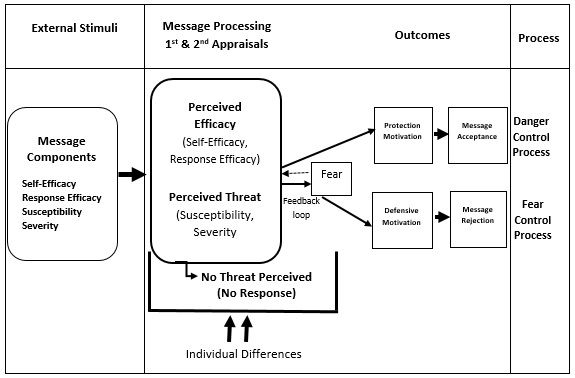
Fig.1. Extended Parallel Process Model [17]
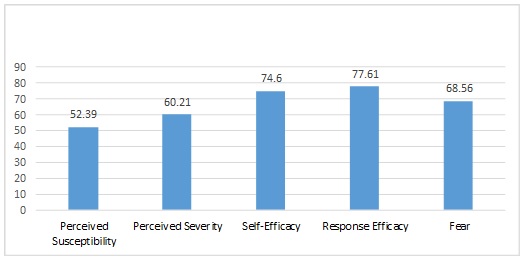
Fig.2. Mean scores of the constructs of the EPPM regarding colorectal cancer and its screening
Table 3. The relationship between demographic variables as well as model structures and FIT screening: Logistic regression results
In the next step, all variables were introduced into a multivariate logistic regression model. Using the Backward Conditional method, the variables that remained in the final model and maintained their significant association were education level and self-efficacy. In the final model, a bachelor's degree (Adjusted OR: 0.09, 95% CI: 0.02–0.46, P=0.003) and a master's degree (Adjusted OR: 0.09, 95% CI: 0.02–0.37, P=0.001) were still correlated with a significant reduction in the odds of FIT screening compared to a postgraduate diploma. Also, the self-efficacy variable was significantly linked to an increase in the odds of screening (Adjusted OR: 1.05, 95% CI: 1.00–1.10, P=0.042). These findings suggest that higher levels of education and an individual's belief in their ability to perform preventive measures (self-efficacy) play a key role in the tendency to undergo screening (Table 3).
Discussion
The present study ascertained the behavior of teachers in Rafsanjan city to perform early colorectal cancer screening or FIT. Less than 10% of teachers had undergone FIT screening for this cancer over the past three years. In studies both inside and outside the country, the status of this screening is not favorable [10, 11, 13, 19]. Chaleshgar et al. reported that the screening rate among the people of Fereydounkenar (northern Iran) was 6.4% [10], and Leung et al. reported that it was 25.4% [19] among the people of China. Given the existence of the National Cancer Control and Prevention Program as well as the free implementation of the FIT Test screening program by comprehensive health service centers [12], these questions arise: why target groups (such as teachers) do not participate in this program? What are their attitudes toward the disease and the screening process? What are the key cognitive barriers preventing them from undergoing screening?
In this study, about 70% of teachers had good self-efficacy, response efficacy, and fear of developing the disease, but their average perceived susceptibility and severity of the disease were moderate. Teachers' beliefs about the consequences of developing the disease in various dimensions of quality of life (physical, psychological, economic) were not in a good state. Mehrabi (2021) reported in his study that about 56% of those referring to Tehran health centers had medium and low perceived severity, and around 85% had medium and weak perceived susceptibility regarding colon cancer screening [20]. Further, in the study by Huang et al. (2021), the average perceived severity of colorectal cancer among participants was reported to be 37.7% [21]. Thus, it is recommended to develop educational contents to present the consequences of colorectal cancer in different aspects of life, such as physical effects, psychological, social, and economic consequences of the disease, as well as the relationship of the disease to quality of life, with the aim of sensitizing teachers. Undoubtedly, the role of the health system as the guardian of health and that of the education and training organization towards the health of its employees are substantial.
In the present study, perceived self-efficacy was a predictor of CCS. According to the regression results, with a one-unit increase in self-efficacy score, the chance of screening rose by 5%. Self-efficacy refers to teachers' confidence in undergoing screening based on the current situation and conditions. In the studies by Mehrabi and Hatefnia et al., perceived self-efficacy was a predictor of adopting CCS [20, 22]. Also, in the study by Wei et al., self-efficacy and response efficacy were also reported as factors affecting the intention to undergo colorectal screening [23]. Participatory dialogue, increased behavioral self-confidence, and changes in the social environment have also been reported as other factors affecting screening [24].
One of the strategies for boosting self-efficacy is overcoming barriers. Initially, it is essential to identify and remove barriers. In a study, embarrassment, pain, and inappropriateness were reported as barriers to screening, with some also believing that screening was ineffective [25]. Accordingly, it is suggested that interventions be designed and implemented that enhance teachers' perceptions and beliefs, with the help of theories and models such as the EPPM and the health belief model, along with the protective motivation theory to encourage teachers to undergo screening behavior.
In this study, except for a lower education level, none of the demographic variables were significantly associated with screening. In the study by Alabdulkader et al. [26], no relationship was reported between age as well as health belief model structures and screening behavior. In the study by Hatefnia et al., except for family history of disease, other demographic variables such as age, education status, marital status, and income were not correlated with screening [22]. Nevertheless, in the study by Mehrabi, economic status and history of colon cancer testing were predictors of intention to undergoing colon cancer screening [20]. In the study by Moosavinezhad, family history of disease was also reported to be a factor influencing the adoption of screening [27]. It seems that the occurrence of diseases and cancers in the individual and relatives plays a key role in inducing fear and increasing susceptibility as well as perceived severity, and ultimately, adopting the behavior.
One of the most important limitations of the present study was the lack of consent and cooperation of teachers to participate in the research as well as application of a virtual method to complete the questionnaires. Nevertheless, given the existence of a national colorectal cancer screening program and its implementation free of charge by comprehensive health service centers, it is recommended to ascertain the status of screening behavior together with its determinants, especially the barriers to behavior across individual and social dimensions. Meanwhile, developing educational contents and using mass media to inform, sensitize, and encourage screening can also be helpful in this regard.
Conclusion
In this study, only 7.5% of teachers had undergone colorectal cancer screening or FIT over the past three years while 92.5% had not undergone screening. All those who had completed the FIT test were in the danger control process. Even though no relationship was observed between the mean score of the model structures and screening behavior, the susceptibility and perceived severity of teachers were in an average state. Based on the results of regression analysis, with a one-unit increase in self-efficacy score, the chance of undergoing screening rose by 5%.
Acknowledgements
This article is the result of a research project with code
403067 and a student thesis in the master's degree program in health education and health promotion. The authors of the article highly appreciate financial support of Rafsanjan University of Medical Sciences, the cooperation of the officials and staff of the Rafsanjan City Education Department, and the teachers who participated in the research.
Conflict of interest
None declared.
Funding
This manuscript was supported financially by the Rafsanjan University of medical sciences.
Ethical Considerations
This research was performed in line with the Declaration of Helsinki.
Code of Ethics
Ethical approval was obtained from the Ethics Committee of Rafsanjan University of Medical Sciences, under approval number IR.RUMS.REC.1403.157.
Authors' Contributions
Mona Hafezi Bakhtiari: Data collection, project administration, and writing the initial draft of the manuscript; Hassan Ahmadinia: Formal analysis; Mohsen Rezaeian: Methodology; Maryam Ghaseminasab‑Parizi: Writing the initial draft of the manuscript; Mostafa Nasirzadeh: Conceptualization, methodology, supervision, project administration, and writing the initial draft of the manuscript. All authors contributed to reviewing and editing the manuscript and have read and approved the final version for publication.
Full-Text: (6 Views)
Introduction
Colorectal cancer (CRC) is the third most common cancer in the world, accounting for 10% of all cancers and the second leading cause of cancer-related death [1]. Based on reports announced in 2020, more than 1.9 million new cases of colorectal cancer and 930,000 deaths were reported globally. The burden of CRC is projected to grow to 3.2 million new cases and 1.6 million deaths by 2040 [2]. Colorectal cancer ranks fourth in men among Iranians following stomach, prostate, and lung cancer and second in women after breast cancer [3]. According to a study by Khosravi Shadmani et al. (2017), 9.8 and 7.78 out of every 100,000 Iranian men and women are affected by colorectal cancer, respectively; among men and women in Kerman province, this rate (southeastern Iran) is 4.41 and 3.47 per 100,000 men and women, respectively [4].
The incidence of CRC is accompanied with physical, functional, socio-economic, cognitive-psychological, and spiritual changes owing to feeling fear, stress, anxiety, and uncertainty about the future. Likewise, the type of treatment chosen, such as chemotherapy, surgery and radiotherapy, in addition to causing complications and affecting health-related quality of life, can intensify these feelings [5]. Meanwhile, psychological distress and lack of social support have significant negative effects on the quality of life of patients with CRC. Also, research indicates that colorectal cancer (CRC) is associated with mental health disorders such as anxiety and depression [6].
With regards to prevention, several strategies have been proposed for this disease, including cancer registration, modification of environmental and lifestyle factors, identification, preventive care and treatment of individuals at risk, and usage of chemotherapy [7]. Nevertheless, the most effective way to prevent CRC or its mortality across the general population is to target individuals at risk through fecal immunochemical test (FIT) [8]. FIT, as an initial screening behavior, has been reported in studies ranging from 22.8% among workers [9] to 6.4% and even lower [10,11]. Currently, the "National Program for Early Detection of Colon Cancer" in Iran is being implemented free of charge by the health system, and its goal is to identify as well as register people suspected of or suffering from polyps or colon cancer. The aim is to then provide appropriate services at different levels of the healthcare network and organize patient treatment and care [12]. Now, considering the implementation of national programs, two fundamental questions arise: why do people not participate in these screening? Why is the number of people seeking screening still in an unfavorable state?
The performance of screening behaviors is affected by several factors such as insufficient perceived self-efficacy and response efficacy [9], inadequate awareness and misguided subjective norms [11], low intensity, sensitivity, as well as perceived benefits and high perceived barriers [10, 13], high cost, fear, embarrassment, unfavorable attitude, low perceived behavioral control [14], and unfavorable response efficacy [15].
Behavior change specialists employ behavioral change models or theories in descriptive studies to systematically identify cognitive and perceptual factors affecting health behaviors, thereby facilitating the design of tailored interventions [16].
EPPM as one of these models assumes that individuals make two types of cognitive appraisals when receiving health risk messages: perceived threat and efficacy appraisal. In perceived threat, one first considers whether the threat is relevant to them (perceived susceptibility) and then whether the threat posed is significant to them (perceived severity). If the threat is considered unimportant, individuals do not process further information about the threat and ignore it, and do not respond to the risk message. In perceived efficacy, individuals ascertain their ability to perform the task (self-efficacy) and appraise the effectiveness of the resulting recommended behavior (response efficacy). If individuals' efficacy appraisal is high, the likelihood of adopting the recommended behavior is high (Fig. 1) [17]. Thus, given the importance of the subject, the present study aimed "to evaluate FIT screening behavior among teachers and its determinants using an extended parallel process model (EPPM)".
Colorectal cancer (CRC) is the third most common cancer in the world, accounting for 10% of all cancers and the second leading cause of cancer-related death [1]. Based on reports announced in 2020, more than 1.9 million new cases of colorectal cancer and 930,000 deaths were reported globally. The burden of CRC is projected to grow to 3.2 million new cases and 1.6 million deaths by 2040 [2]. Colorectal cancer ranks fourth in men among Iranians following stomach, prostate, and lung cancer and second in women after breast cancer [3]. According to a study by Khosravi Shadmani et al. (2017), 9.8 and 7.78 out of every 100,000 Iranian men and women are affected by colorectal cancer, respectively; among men and women in Kerman province, this rate (southeastern Iran) is 4.41 and 3.47 per 100,000 men and women, respectively [4].
The incidence of CRC is accompanied with physical, functional, socio-economic, cognitive-psychological, and spiritual changes owing to feeling fear, stress, anxiety, and uncertainty about the future. Likewise, the type of treatment chosen, such as chemotherapy, surgery and radiotherapy, in addition to causing complications and affecting health-related quality of life, can intensify these feelings [5]. Meanwhile, psychological distress and lack of social support have significant negative effects on the quality of life of patients with CRC. Also, research indicates that colorectal cancer (CRC) is associated with mental health disorders such as anxiety and depression [6].
With regards to prevention, several strategies have been proposed for this disease, including cancer registration, modification of environmental and lifestyle factors, identification, preventive care and treatment of individuals at risk, and usage of chemotherapy [7]. Nevertheless, the most effective way to prevent CRC or its mortality across the general population is to target individuals at risk through fecal immunochemical test (FIT) [8]. FIT, as an initial screening behavior, has been reported in studies ranging from 22.8% among workers [9] to 6.4% and even lower [10,11]. Currently, the "National Program for Early Detection of Colon Cancer" in Iran is being implemented free of charge by the health system, and its goal is to identify as well as register people suspected of or suffering from polyps or colon cancer. The aim is to then provide appropriate services at different levels of the healthcare network and organize patient treatment and care [12]. Now, considering the implementation of national programs, two fundamental questions arise: why do people not participate in these screening? Why is the number of people seeking screening still in an unfavorable state?
The performance of screening behaviors is affected by several factors such as insufficient perceived self-efficacy and response efficacy [9], inadequate awareness and misguided subjective norms [11], low intensity, sensitivity, as well as perceived benefits and high perceived barriers [10, 13], high cost, fear, embarrassment, unfavorable attitude, low perceived behavioral control [14], and unfavorable response efficacy [15].
Behavior change specialists employ behavioral change models or theories in descriptive studies to systematically identify cognitive and perceptual factors affecting health behaviors, thereby facilitating the design of tailored interventions [16].
EPPM as one of these models assumes that individuals make two types of cognitive appraisals when receiving health risk messages: perceived threat and efficacy appraisal. In perceived threat, one first considers whether the threat is relevant to them (perceived susceptibility) and then whether the threat posed is significant to them (perceived severity). If the threat is considered unimportant, individuals do not process further information about the threat and ignore it, and do not respond to the risk message. In perceived efficacy, individuals ascertain their ability to perform the task (self-efficacy) and appraise the effectiveness of the resulting recommended behavior (response efficacy). If individuals' efficacy appraisal is high, the likelihood of adopting the recommended behavior is high (Fig. 1) [17]. Thus, given the importance of the subject, the present study aimed "to evaluate FIT screening behavior among teachers and its determinants using an extended parallel process model (EPPM)".
Fig.1. Extended Parallel Process Model [17]
Materials and Methods
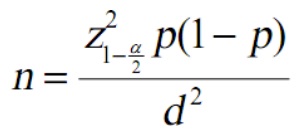
The descriptive cross-sectional study was undertaken among 202 teachers over 45 years of age in Rafsanjan city using simple random sampling method in 2025. The statistical population consisted of all teachers over 45 years old working at all levels of education in Rafsanjan city. The sample size was estimated to be about 210 people based on the formula, considering a 95% confidence interval, a screening rate of 6.4% [10], and an accuracy of 0.03.
Formula 1.
After receiving the list of names of teachers over 45 years of age and their cell numbers from the Education Department, we randomly contacted 265 teachers and explained the objectives of the research; if they agreed, a link to the questionnaire was sent to them via a text message. The response rate was 76%. Inclusion criteria included being employed as a teacher at all levels of education, age 45 years old, access to and being able to use a smartphone to answer the online questionnaire, as well as giving informed consent to participate in the study via a digital form or confirmation on the online platform. Exclusion criteria included having a history of colorectal cancer diagnosis, a history of screening for unusual or specific clinical reasons, especially over the past three years, failure to complete the questionnaire or having incomplete data, and applying a shared smartphone or not being sure of the respondent's identity.
The data collection tool was a researcher-made questionnaire consisting of three sections: i) demographic characteristics (gender, age, BMI, marital status, work experience, educational level, number of children, family history of disease, and economic status), ii) structures of the EPPM (susceptibility, severity, self-efficacy, response efficacy, and fear perceived), and iii) assessment of FIT screening status. Fear, susceptibility, and perceived self-efficacy were assessed by 6 questions each, perceived severity by 9 questions, and response efficacy by 7 questions. The Likert 5-point response scale ranged from “I completely agree” (5) to “I completely disagree” (1). Scores were reported based on 100 after weighting. The validity of the questionnaire was appraised by 9 experts consisting of health education and health promotion, epidemiologists, and gastroenterologists. Accordingly, the questionnaires were sent to the above specialists to explore the content validity index (CVI) for determining the simplicity, clarity, and relevance of each item as well as the content validity ratio (CVR) to determine the necessity of the items. The results were compared with the relevant standard [18] whereby the validity of the constructs was confirmed. Further, to measure reliability, Cronbach's alpha coefficient was used, which was 0.7, 0.82, 0.81, 0.89, and 0.96 for the constructs of susceptibility, severity, self-efficacy, response efficiency, and fear, respectively. Screening was ascertained by a question with the answers "I have done it in the past three years" and "I have not done it." The data collection method was virtual and through the Porsline system over a two-month period.
Perceived threat appraisal was calculated from the sum of perceived susceptibility and severity and perceived efficacy appraisal from the sum of self-efficacy and response efficacy. Also, the proportion of individuals in the risk and fear control processes (critical point) was calculated from the difference between threat assessment and efficacy assessment. According to the EPPM, if the obtained score is positive, the individual is in the danger control process or in a position to perform self-protective behavior, whereas if it is negative, the individual is in the fear control process, i.e., he/she shows resistance to health behaviors [17].
After collecting the data, they were analyzed using SPSS version 25 statistical software. Quantitative data were reported as mean and standard deviation, while qualitative data were reported as number and percentage. The assumption of normality of the variables was checked using the Kolmogorov-Smirnov test along with skewness and kurtosis indices. Chi-square test, Independent t-tests, Univariate and Multiple logistic regression were used for the data analysis. The significance level in all tests was considered less than 0.05. This research was performed in line with the Declaration of Helsinki. Also, while considering ethical codes such as maintaining anonymity and confidentiality of the participants, ethical code IR.RUMS.REC.1403.157 was received from the Ethics Committee of Rafsanjan University of Medical Sciences.
Results
The mean age of the teachers was 52.00±4.82 years with an age range of 45 to 64 years. A total of 130 teachers were female (64.4%) and 72 (35.6%) were male. Their mean work experience was 23.81±7.95 years while the mean number of children was 2.16±0.94. The mean body mass index of the teachers was 27.85±4.58 kg/m2, signifying that only 23.8% were of normal weight while 76.6% were overweight or obese. Other demographic characteristics are presented in Table 1 and 2. Table 1 outlines the frequency distribution of FIT screening status according to qualitative demographic variables. Based on the chi-square test results, a significant difference was observed only between the education level of the two groups (P<0.001). The education level of most teachers who had undergone the FIT screening was diploma. Also, the mean score and standard deviation of quantitative demographic variables such as age by screening status are provided in Table 2. Based on the results, no significant differences were found between the variables of age, work experience, number of children, and body mass index in the two groups (P>0.05).
The descriptive cross-sectional study was undertaken among 202 teachers over 45 years of age in Rafsanjan city using simple random sampling method in 2025. The statistical population consisted of all teachers over 45 years old working at all levels of education in Rafsanjan city. The sample size was estimated to be about 210 people based on the formula, considering a 95% confidence interval, a screening rate of 6.4% [10], and an accuracy of 0.03.
Formula 1.
After receiving the list of names of teachers over 45 years of age and their cell numbers from the Education Department, we randomly contacted 265 teachers and explained the objectives of the research; if they agreed, a link to the questionnaire was sent to them via a text message. The response rate was 76%. Inclusion criteria included being employed as a teacher at all levels of education, age 45 years old, access to and being able to use a smartphone to answer the online questionnaire, as well as giving informed consent to participate in the study via a digital form or confirmation on the online platform. Exclusion criteria included having a history of colorectal cancer diagnosis, a history of screening for unusual or specific clinical reasons, especially over the past three years, failure to complete the questionnaire or having incomplete data, and applying a shared smartphone or not being sure of the respondent's identity.
The data collection tool was a researcher-made questionnaire consisting of three sections: i) demographic characteristics (gender, age, BMI, marital status, work experience, educational level, number of children, family history of disease, and economic status), ii) structures of the EPPM (susceptibility, severity, self-efficacy, response efficacy, and fear perceived), and iii) assessment of FIT screening status. Fear, susceptibility, and perceived self-efficacy were assessed by 6 questions each, perceived severity by 9 questions, and response efficacy by 7 questions. The Likert 5-point response scale ranged from “I completely agree” (5) to “I completely disagree” (1). Scores were reported based on 100 after weighting. The validity of the questionnaire was appraised by 9 experts consisting of health education and health promotion, epidemiologists, and gastroenterologists. Accordingly, the questionnaires were sent to the above specialists to explore the content validity index (CVI) for determining the simplicity, clarity, and relevance of each item as well as the content validity ratio (CVR) to determine the necessity of the items. The results were compared with the relevant standard [18] whereby the validity of the constructs was confirmed. Further, to measure reliability, Cronbach's alpha coefficient was used, which was 0.7, 0.82, 0.81, 0.89, and 0.96 for the constructs of susceptibility, severity, self-efficacy, response efficiency, and fear, respectively. Screening was ascertained by a question with the answers "I have done it in the past three years" and "I have not done it." The data collection method was virtual and through the Porsline system over a two-month period.
Perceived threat appraisal was calculated from the sum of perceived susceptibility and severity and perceived efficacy appraisal from the sum of self-efficacy and response efficacy. Also, the proportion of individuals in the risk and fear control processes (critical point) was calculated from the difference between threat assessment and efficacy assessment. According to the EPPM, if the obtained score is positive, the individual is in the danger control process or in a position to perform self-protective behavior, whereas if it is negative, the individual is in the fear control process, i.e., he/she shows resistance to health behaviors [17].
After collecting the data, they were analyzed using SPSS version 25 statistical software. Quantitative data were reported as mean and standard deviation, while qualitative data were reported as number and percentage. The assumption of normality of the variables was checked using the Kolmogorov-Smirnov test along with skewness and kurtosis indices. Chi-square test, Independent t-tests, Univariate and Multiple logistic regression were used for the data analysis. The significance level in all tests was considered less than 0.05. This research was performed in line with the Declaration of Helsinki. Also, while considering ethical codes such as maintaining anonymity and confidentiality of the participants, ethical code IR.RUMS.REC.1403.157 was received from the Ethics Committee of Rafsanjan University of Medical Sciences.
Results
The mean age of the teachers was 52.00±4.82 years with an age range of 45 to 64 years. A total of 130 teachers were female (64.4%) and 72 (35.6%) were male. Their mean work experience was 23.81±7.95 years while the mean number of children was 2.16±0.94. The mean body mass index of the teachers was 27.85±4.58 kg/m2, signifying that only 23.8% were of normal weight while 76.6% were overweight or obese. Other demographic characteristics are presented in Table 1 and 2. Table 1 outlines the frequency distribution of FIT screening status according to qualitative demographic variables. Based on the chi-square test results, a significant difference was observed only between the education level of the two groups (P<0.001). The education level of most teachers who had undergone the FIT screening was diploma. Also, the mean score and standard deviation of quantitative demographic variables such as age by screening status are provided in Table 2. Based on the results, no significant differences were found between the variables of age, work experience, number of children, and body mass index in the two groups (P>0.05).
Table 1. Frequency distribution of screening behavior status (FIT) according to qualitative demographic variables and model processes
| Variable | Status N(P) | FIT Screening status N(P) | P-value* | |
| No | Yes | |||
| Marital status | Married 189 (93.6) | 172(92.50) | 14(7.50) | 0.983 |
| Single 13 (6.4) | 12(92.30) | 1(7.70) | ||
| Economic status | Good 50 (24.8) | 48(98.00) | 1(2.00) | |
| Average 127 (62.9) | 114(91.20) | 11(88.80) | ||
| Poor 25 (12.4) | 22(88.00) | 3(12.00) | ||
| Family history of disease | Yes 91 (45.0) | 81(91.00) | 8(9.00) | 0.210 |
| No 111 (55.0) | 103(93.60) | 7(6.40) | ||
| BMI | Normal 44 (23.8) | 39(90.70) | 4(9.30) | 0.764 |
| Overweight 91 (48.4) | 82(91.10) | 8(8.90) | ||
| Obese 53 (28.2) | 49(94.20) | 3(5.80) | ||
| Gender | Female 130 (64.4) | 116 (91.3%) | 11 (8.7%) | 0.425 |
| Male 72 (35.6) | 68 (94.4%) | 4 (5.6%) | ||
| Educational level | Associate degree 22 (10.9) | 16 (72.7%) | 6 (27.3%) | 0.001 |
| B.Sc. 118 (58.4) | 110 (94.8%) | 6 (5.2%) | ||
| Master's degree 62 (30.7) | 58 (95.1%) | 3 (4.9%) | ||
| Process | Danger control 192 (95.0) | 174(92.10) | 15(7.90) | 0.354 |
| Fear control 10 (5.0) | 10(100.00) | 0(0.00) |
* Chi- Square Test
The mean scores of the constructs of the EPPM are displayed in Fig. 2. Based on the results, the lowest mean score of teachers was found in the perceived susceptibility construct (52.39%) and the highest mean score was in response efficiency (77.61%). Further, 192 teachers (95.0%) were in the danger control process and 10 teachers (5.0%) were in the fear control process, in other words, 95% of teachers felt higher self-efficacy and had more belief in undergoing a screening FIT for colorectal cancer prevention. The mean score of teachers' threat appraisal (sum of perceived susceptibility and severity) was 112.61±21.78 out of 200 score, whereas their efficacy appraisal (sum of self-efficacy and response efficacy) was 152.22±24.96 out of 200 score.
Fig.2. Mean scores of the constructs of the EPPM regarding colorectal cancer and its screening
In this study, only 15 teachers (7.50%) reported having undergone colorectal cancer screening FIT over the past three years, while 184 (92.5%) had not undergone screening. The mean score and standard deviation of the model structures according to the status of performing screening behavior are outlined in Table 2. Based on the results of the independent t-test, there was no significant difference between the mean score of the model structures of the two groups (P>0.05). Nevertheless, self-efficacy and response efficacy as well as fear scores of those who had undergone the FIT screening were higher than those who had not undergone this screening. Finally, all subjects who had undergone the FIT test were in the danger control process.
Table 2. Mean score and S.D of model structures and some quantitative demographic variables according to FIT screening status
| Construct | FIT Screening status (M±SD) | P-value* | |
| No | Yes | ||
| Perceived susceptibility | 52.35±12.95 | 51.66±12.67 | 0.843 |
| Perceived severity | 60.25±14.12 | 59.33±14.95 | 0.615 |
| Perceived self-efficacy | 74.25±13.54 | 78.88±9.76 | 0.196 |
| Response efficacy | 77.30±14.07 | 80.71±10.86 | 0.362 |
| Fear | 68.27±20.44 | 70.00±24.45 | 0.757 |
| Age | 51.86±4.91 | 53.13±3.92 | 0.330 |
| Work experience | 23.99±7.95 | 24.33±5.32 | 0.872 |
| BMI | 27.91±4.58 | 27.30±4.92 | 0.621 |
| Number of children | 2.15±0.95 | 2.33±0.90 | 0.466 |
* Independent t-test
In this study, the influence of each independent variable on the chance of screening was first examined separately. In univariate logistic regression analysis (Crude OR), education level was significantly linked to the chance of screening; those with a bachelor's degree (OR: 0.14, 95% CI: 0.03–0.61, P=0.009) and a master's degree (OR: 0.15, 95% CI: 0.04–0.51, P=0.002) had a lower chance of FIT screening than those with a postgraduate diploma. Other variables, including gender, marital status, family history of disease, economic status, body mass index (BMI), age, work experience, and model structures (such as self-efficacy, response efficacy, fear, etc.), did not have a statistically significant relationship with screening at this stage (Table 3).
Table 3. The relationship between demographic variables as well as model structures and FIT screening: Logistic regression results
| Variable | Variable Levels |
Univariable LR | Multiple LR | ||
| Crude OR (95% CI) | p | Adjusted OR (95% CI) | p | ||
| Gender | Male | Ref | - | ||
| Female | 0.62 (0.19 - 2.03) | 0.429 | |||
| Marital Status | Married | Ref | - | ||
| Single | 0.98 (0.12 - 8.07) | 0.983 | |||
| Educational Level | Associate | Ref | - | - | |
| Bachelor | 0.15 (0.04 - 0.51) | 0.002 | 0.09 (0.02-0.37) | 0.001 | |
| Master | 0.14 (0.03 - 0.61) | 0.009 | 0.09 (0.02-0.46) | 0.003 | |
| Family History | No | Ref | - | ||
| Yes | 1.42 (0.50 - 4.08) | 0.513 | |||
| Economic Status | Good | Ref | - | ||
| Moderate | 0.71 (0.18 - 2.75) | 0.617 | |||
| Poor | 0.15 (0.02 - 1.55) | 0.112 | |||
| BMI | Normal | Ref | - | ||
| Overweight | 0.95 (0.27 - 3.35) | 0.938 | |||
| Obese | 0.60 (0.13 - 2.83) | 0.515 | |||
| Age (years) | 1.05 (0.95 - 1.17) | 0.329 | |||
| Work Experience (years) | 1.01 (0.94 - 1.08) | 0.871 | |||
| Susceptibility | 1.00 (0.96 - 1.04) | 0.842 | |||
| Severity | 0.99 (0.96 - 1.03) | 0.613 | |||
| Self-efficacy | 1.03 (0.99 - 1.07) | 0.197 | 1.05 (1.00-1.10) | 0.042 | |
| Self-esteem | 1.02 (0.98 - 1.06) | 0.361 | |||
| Fear | 1.00 (0.98 - 1.03) | 0.756 | |||
In the next step, all variables were introduced into a multivariate logistic regression model. Using the Backward Conditional method, the variables that remained in the final model and maintained their significant association were education level and self-efficacy. In the final model, a bachelor's degree (Adjusted OR: 0.09, 95% CI: 0.02–0.46, P=0.003) and a master's degree (Adjusted OR: 0.09, 95% CI: 0.02–0.37, P=0.001) were still correlated with a significant reduction in the odds of FIT screening compared to a postgraduate diploma. Also, the self-efficacy variable was significantly linked to an increase in the odds of screening (Adjusted OR: 1.05, 95% CI: 1.00–1.10, P=0.042). These findings suggest that higher levels of education and an individual's belief in their ability to perform preventive measures (self-efficacy) play a key role in the tendency to undergo screening (Table 3).
Discussion
The present study ascertained the behavior of teachers in Rafsanjan city to perform early colorectal cancer screening or FIT. Less than 10% of teachers had undergone FIT screening for this cancer over the past three years. In studies both inside and outside the country, the status of this screening is not favorable [10, 11, 13, 19]. Chaleshgar et al. reported that the screening rate among the people of Fereydounkenar (northern Iran) was 6.4% [10], and Leung et al. reported that it was 25.4% [19] among the people of China. Given the existence of the National Cancer Control and Prevention Program as well as the free implementation of the FIT Test screening program by comprehensive health service centers [12], these questions arise: why target groups (such as teachers) do not participate in this program? What are their attitudes toward the disease and the screening process? What are the key cognitive barriers preventing them from undergoing screening?
In this study, about 70% of teachers had good self-efficacy, response efficacy, and fear of developing the disease, but their average perceived susceptibility and severity of the disease were moderate. Teachers' beliefs about the consequences of developing the disease in various dimensions of quality of life (physical, psychological, economic) were not in a good state. Mehrabi (2021) reported in his study that about 56% of those referring to Tehran health centers had medium and low perceived severity, and around 85% had medium and weak perceived susceptibility regarding colon cancer screening [20]. Further, in the study by Huang et al. (2021), the average perceived severity of colorectal cancer among participants was reported to be 37.7% [21]. Thus, it is recommended to develop educational contents to present the consequences of colorectal cancer in different aspects of life, such as physical effects, psychological, social, and economic consequences of the disease, as well as the relationship of the disease to quality of life, with the aim of sensitizing teachers. Undoubtedly, the role of the health system as the guardian of health and that of the education and training organization towards the health of its employees are substantial.
In the present study, perceived self-efficacy was a predictor of CCS. According to the regression results, with a one-unit increase in self-efficacy score, the chance of screening rose by 5%. Self-efficacy refers to teachers' confidence in undergoing screening based on the current situation and conditions. In the studies by Mehrabi and Hatefnia et al., perceived self-efficacy was a predictor of adopting CCS [20, 22]. Also, in the study by Wei et al., self-efficacy and response efficacy were also reported as factors affecting the intention to undergo colorectal screening [23]. Participatory dialogue, increased behavioral self-confidence, and changes in the social environment have also been reported as other factors affecting screening [24].
One of the strategies for boosting self-efficacy is overcoming barriers. Initially, it is essential to identify and remove barriers. In a study, embarrassment, pain, and inappropriateness were reported as barriers to screening, with some also believing that screening was ineffective [25]. Accordingly, it is suggested that interventions be designed and implemented that enhance teachers' perceptions and beliefs, with the help of theories and models such as the EPPM and the health belief model, along with the protective motivation theory to encourage teachers to undergo screening behavior.
In this study, except for a lower education level, none of the demographic variables were significantly associated with screening. In the study by Alabdulkader et al. [26], no relationship was reported between age as well as health belief model structures and screening behavior. In the study by Hatefnia et al., except for family history of disease, other demographic variables such as age, education status, marital status, and income were not correlated with screening [22]. Nevertheless, in the study by Mehrabi, economic status and history of colon cancer testing were predictors of intention to undergoing colon cancer screening [20]. In the study by Moosavinezhad, family history of disease was also reported to be a factor influencing the adoption of screening [27]. It seems that the occurrence of diseases and cancers in the individual and relatives plays a key role in inducing fear and increasing susceptibility as well as perceived severity, and ultimately, adopting the behavior.
One of the most important limitations of the present study was the lack of consent and cooperation of teachers to participate in the research as well as application of a virtual method to complete the questionnaires. Nevertheless, given the existence of a national colorectal cancer screening program and its implementation free of charge by comprehensive health service centers, it is recommended to ascertain the status of screening behavior together with its determinants, especially the barriers to behavior across individual and social dimensions. Meanwhile, developing educational contents and using mass media to inform, sensitize, and encourage screening can also be helpful in this regard.
Conclusion
In this study, only 7.5% of teachers had undergone colorectal cancer screening or FIT over the past three years while 92.5% had not undergone screening. All those who had completed the FIT test were in the danger control process. Even though no relationship was observed between the mean score of the model structures and screening behavior, the susceptibility and perceived severity of teachers were in an average state. Based on the results of regression analysis, with a one-unit increase in self-efficacy score, the chance of undergoing screening rose by 5%.
Acknowledgements
This article is the result of a research project with code
403067 and a student thesis in the master's degree program in health education and health promotion. The authors of the article highly appreciate financial support of Rafsanjan University of Medical Sciences, the cooperation of the officials and staff of the Rafsanjan City Education Department, and the teachers who participated in the research.
Conflict of interest
None declared.
Funding
This manuscript was supported financially by the Rafsanjan University of medical sciences.
Ethical Considerations
This research was performed in line with the Declaration of Helsinki.
Code of Ethics
Ethical approval was obtained from the Ethics Committee of Rafsanjan University of Medical Sciences, under approval number IR.RUMS.REC.1403.157.
Authors' Contributions
Mona Hafezi Bakhtiari: Data collection, project administration, and writing the initial draft of the manuscript; Hassan Ahmadinia: Formal analysis; Mohsen Rezaeian: Methodology; Maryam Ghaseminasab‑Parizi: Writing the initial draft of the manuscript; Mostafa Nasirzadeh: Conceptualization, methodology, supervision, project administration, and writing the initial draft of the manuscript. All authors contributed to reviewing and editing the manuscript and have read and approved the final version for publication.
References
1. World Health Organization. Fact Sheets, Detail, Colorectal Cancer, Key Fact. Geneva, Switzerland: World Health Organization; 2023.
2. Morgan E, Arnold M, Gini A, Lorenzoni V, Cabasag CJ, Laversanne M, et al. Global burden of colorectal cancer in 2020 and 2040: incidence and mortality estimates from GLOBOCAN. Gut. 2023;72(2):338-44. [DOI] [PMID]
3. 3. Rahimi F, Rezayatmand R, Shojaeenejad J, Tabesh E, Ravankhah Z, Adibi P. Costs and outcomes of colorectal cancer screening program in Isfahan, Iran. BMC Health Serv Res. 2023; 23(1):13. [DOI] [PMID] [PMCID]
4. Khosravi Shadmani F, Ayubi E, Khazaei S, Sani M, Mansouri Hanis S, Khazaei S, et al. Geographic distribution of the incidence of colorectal cancer in Iran: a population-based study. Epidemiol Health. 2017; 39: e2017020. [DOI] [PMID] [PMCID]
5. Silva RC, Gonçalves MC, Mendes AS, Cardoso MRR, Nicolussi AC. Evaluation of fatigue and quality of life of colorectal cancer patients in chemotherapy. Rev Gaucha Enferm. 2022;43:e20210123. [DOI] [PMID]
6. Cheng V, Oveisi N, McTaggart-Cowan H, Loree JM, Murphy RA, De Vera MA. Colorectal Cancer and Onset of Anxiety and Depression: A Systematic Review and Meta-Analysis. Curr Oncol. 2022; 29(11): 8751-66. [DOI] [PMID] [PMCID]
7. Lohsiriwat V, Chaisomboon N, Pattana-Arun J. Current Colorectal Cancer in Thailand. Ann Colorectal. 2020; 36(2):78-82. [DOI] [PMID] [PMCID]
8. Ladabaum U, Dominitz JA, Kahi C, Schoen RE. Strategies for Colorectal Cancer Screening. Gastroenterology. 2020;158(2):418-32. [DOI] [PMID]
9. Azam ME, Bashirian S, Karimi Shahanjarini A, Barati M. Factors associated with intention to perform fecal occult blood test among medical professionals: an application of the protection motivation theory. Govaresh. 2019; 24(3):147-55.
10. Chaleshgar-Kordasiabi M, Ramazani Shob M, Gorgani Firouzjae M. Determining of colorectal cancer screening among adults based on health belief model aged 50-69. J Health Field. 2021;9(3):7.
11. Hosseinzadeh M, Barzanjeh Atri S, Sahebihagh M, Asghari Jafarabadi M, Ebadi L. Predictive factors for participation in colorectal cancer screening based on BAZNEF Model. Nurs Midwifery J. 2021;19(7):581-90. [DOI]
12. Ministry of Health and Medical Education. Deputy Health Office. Office of Non-Communicable Disease Management. Cancer Department. Guidelines for the National Cancer Early Detection Program in Iran. Tehran, Iran: Ministry of Health and Medical Education; 2022.
13. Bazazi M, Shakerian S. Investigation of the colorectal cancer-preventive behaviors based on the Health Belief Model. J Health Res Community. 2020; 6(1): 67-73.
14. Baghianimoghadam H, Fattahi Ardakani M, Akhondi M, Mortazavizadeh M. Intention of colorectal cancer patientsfirst degree relatives to screening based on planned behavior theory. J Toloo-e-Behdasht. 2012;10(3):13-22. [URL]
15. Rahimian Boogar I, Talepasand S, Norouzi H, Mozafari S, Hosseini SJ. The Prediction of Colorectal Cancer Screening Based on the Extended Parallel Process Model: Moderating the Role of Health Literacy and Cancer-Related Empowerment. Int J Cancer Manag. 2018;11(6):e62539. [DOI]
16. Glanz K, Rimer B, Viswanath K. Health Behavior and Health Education. Theory, Research, and Practice. 5ed. United States; John Wiley & Sons; 2015.
17. Witte K, Meyer G, Martell D. Effective health risk messages: A step-by-step guide. New York, United States: Sage Publications; 2001. [DOI]
18. Nasirzadeh M, Hashemian M. A practical guide to proposal writing. Rafsanjan, Iran: Rafsanjan University of Medical Sciences Publisher; 2021.
19. Leung DY, Wong EM, Chan CW. Determinants of participation in colorectal cancer screening among community-dwelling Chinese older people: Testing a comprehensive model using a descriptive correlational study. Eur J Oncol Nurs. 2016; 21:17-23. [DOI] [PMID]
20. Mehrabi D. Application of health belief model to identify predictors of colorectal cancer screening intention. Koomesh. 2022; 24(1): 69-77.
21. Huang J, Choi P, Pang TWY, Chen X, Wang J, Ding H, et al. Factors associated with participation in colorectal cancer screening: A population-based study of 7200 individuals. Eur J Cancer Care (Engl). 2021;30(2):e13369. [DOI] [PMCID]
22. Hatefnia E, Lotfi R, Rahimzadeh M. Predictors of Common Cancer Screening Behavior in Middle-Aged Iranian Men Working at University Using the Health Belief Model. Alborz Univ Med J. 2022;11(3):289-97.
23. Wei W, Zhang M, Zuo D, Li Q, Zhang M, Chen X, et al. Screening intention prediction of colorectal cancer among urban Chinese based on the protection motivation theory. Int J Environ Res Public Health. 2022;19(7):4203. [DOI] [PMID] [PMCID]
24. Sharma M, Johansen C, Batra K, Dai CL, Batra R, Hayes T, et al. Using the Multi-Theory Model (MTM) of Health Behavior Change to Explain the Seeking of Stool-Based Tests for Colorectal Cancer Screening. Int J Environ Res Public Health. 2023;20(16):6553. [DOI] [PMID] [PMCID]
25. Masdor NA, Nawi AM, Hod R. Understanding misperceptions of colorectal cancer risk and cancer screening based on the health belief model: a systematic review of qualitative literature. Current Psychology. 2024; 43(15): 13729-41. [DOI]
26. Alabdulkader AM, Mustafa T, Almutailiq DA, Al-Maghrabi RA, Alzanadi RH, Almohsen DS, et al. Knowledge and barriers to screening for colorectal cancer among individuals aged 40 years or older visiting primary healthcare clinics in Al-Khobar, Eastern Province. J Family Community Med. 202; 31(1): 25-35. [DOI] [PMID] [PMCID]
27. Moosavinezhad SH, Tarrahib MJ, Fathian-Dastgerdic Z. Socio-Cognitive Factors Affecting Non-Participation in the Colorectal Cancer Screening Program of Adults Aged 50 to 70 in Iran. Iran J Health Educ Health. 2024;12(3):245-53.
Send email to the article author
| Rights and permissions | |
 |
This work is licensed under a Creative Commons Attribution 4.0 International License. |