Journal of Occupational
Health and Epidemiology

Rafsanjan university Of medical sciences
Volume 15, Issue 2 (Spring 2026)
J Occup Health Epidemiol 2026, 15(2): 161-178 |
Back to browse issues page




Download citation:
BibTeX | RIS | EndNote | Medlars | ProCite | Reference Manager | RefWorks
Send citation to:


BibTeX | RIS | EndNote | Medlars | ProCite | Reference Manager | RefWorks
Send citation to:
Ahmadi Asour A, Musavi F, Fallahi M. A Systematic Review of Occupational Noise-Induced Hearing Loss in Iran (2012-2023): Industrial Patterns and the Role of Combined Exposures. , J Occup Health Epidemiol. 2026; 15 (2) :161-178
URL: http://johe.rums.ac.ir/article-1-1117-en.html
URL: http://johe.rums.ac.ir/article-1-1117-en.html
Related article in
Google Scholar
Google Scholar
Similar articles


1- Assistant Prof, Dept. of Health, Safety & Environment, Faculty of Health, Sabzevar University of Medical Sciences, Sabzevar, Iran.
2- Ph.D. Student, Dept. of Ergonomics, Faculty of Health and Safety, Shahid Beheshti University of Medical Sciences, Tehran, Iran.
3- Asscociated Prof, Dept. of Occupational Health and Safety Engineering, Faculty of Health, Sabzevar University of Medical Sciences, Sabzevar, Iran. ,mjfllh@yahoo.com
2- Ph.D. Student, Dept. of Ergonomics, Faculty of Health and Safety, Shahid Beheshti University of Medical Sciences, Tehran, Iran.
3- Asscociated Prof, Dept. of Occupational Health and Safety Engineering, Faculty of Health, Sabzevar University of Medical Sciences, Sabzevar, Iran. ,
Article history

Received: 2025/12/26
Accepted: 2026/04/3
ePublished: 2026/06/18
Accepted: 2026/04/3
ePublished: 2026/06/18
Subject:
Occupational Health
Keywords: Hearing Loss [MeSH], Noise-Induced [MeSH], Noise [MeSH], Industry [MeSH], Occupational [MeSH], Iran [MeSH]
Full-Text [PDF 465 kb]
(101 Downloads)
| Abstract (HTML) (259 Views)
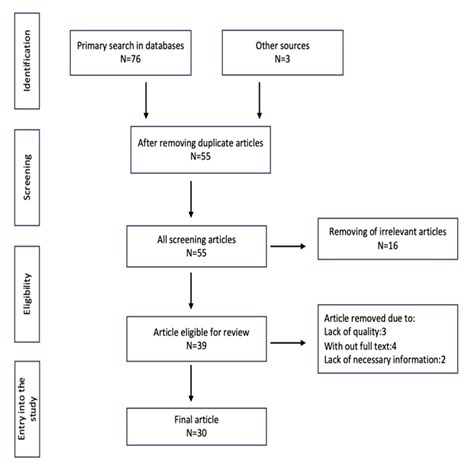
Fig. 1. PRISMA Flow diagram of the screening process and study selection
Table 1. Search strategy for articles
Table 2. Summary of information related to the reviewed articles
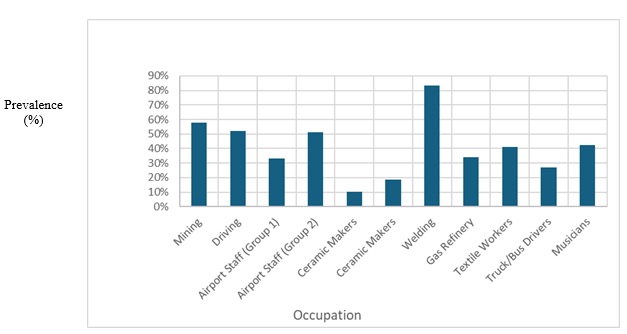
Fig. 2. Prevalence Rates of ONIHL among Iranian workers
Table 3. Summary of information related to the reviewed articles [Part B]
Table 4. Summary of Key Risk Factors and Their Reported Impact Magnitude on ONIHL from Included Studies
Full-Text: (20 Views)
Introduction
Driven by industrial growth and advancements in production technology, workplace noise has become increasingly prevalent. Currently, numerous workers worldwide experience either intermittent or constant exposure to harmful noise levels (> 85 dB (A)) in their workplaces [1]. In the UK, approximately 1.7 million workers are exposed to noise levels greater than 85 dB (A) [2]. In the USA, around 22 million workers are exposed to hazardous noise levels annually [3].
Noise is the second most common occupational health risk factor [4]. Around 24% of hearing loss cases are attributed to occupational noise exposure [5]. A major consequence is Occupational Noise-Induced Hearing Loss (ONIHL). This condition is characterized by a gradual, irreversible sensorineural hearing impairment and is the most common sensory disability worldwide arising from prolonged exposure to excessive workplace noise (> 85 dB (A)) [6]. Atari et al. reported that workers exposed to a sound level of 91.5 ± 5.5 dB(A) had an average hearing loss of 26.28 ± 6.98 dB. They also found that the highest degree of hearing loss occurred at 4000 Hz [7]. In a study entitled "Hearing Impairment and Blood Pressure in Workers with Long-Term Exposure to Noise" by Neghab et al., the results revealed that exposure to noise greater than 85 decibels would lead to hearing loss and elevated blood pressure [8].
ONIHL is a significant global public health challenge [9-11], influencing an estimated 600 million workers exposed to hazardous noise levels (>85 dB) worldwide [12]. Moreover, the World Health Organization has estimated that 10% of the world's population is exposed to noise pollution, with 5.3% experience ONIHL [13, 14]. As an irreversible sensorineural hearing loss, ONIHL imposes profound social and economic burdens, costing an estimated $750 billion annually [15].
Lie et al. noted that many workers are at risk of ONIHL, including those employed in the metal industry, factories, forging, coal and ore mining, construction, cement plants, gas processing, mechanical engineering, mill and stationary machine operations, as well as oil refinery workers [1].
Noise-induced hearing loss is influenced by multiple factors. These include inherent characteristics such as gender, age, and race, together with auditory factors such as the sound frequency range and lesions affecting the middle ear transmission system [16]. Further, study results have indicated that various other factors, such as smoking, are independently linked to hearing loss [8, 17]. Research suggest smoking may contribute to NIHL by impacting cochlear blood flow through alterations in peripheral vessels, increasing blood viscosity, and lowering the available oxygen supply [18].
Etemadinezhad et al. reported that occupational noise-induced hearing loss (ONIHL) is a significant concern for public and occupational health in Iran [19]. A significant proportion of Iran’s workforce confronts an elevated risk of ONIHL [20, 21]. Given the comprehensive coverage of previous systematic reviews, which have revealed a weighted average equivalent sound pressure level (LAeq) of approximately 90.29 dB(A), an average hearing loss of 26.44 dB(A), and a wide prevalence range of this condition from 12.9% to 60.5% in Iran [19–24], this study deliberately focused on the period from 2012 to 2023. This time frame was chosen to explore more recent research evidence while also analyzing the emerging dimension of ‘combined exposure to noise as well as other factors,’ which has not been thoroughly explored in previous reviews. Thus, the findings of this study complement and update the existing literature.
While excessive noise exposure is unequivocally established as a primary cause of sensorineural hearing damage, a growing body of evidence emphasizes that workers in many industries face not only isolated noise hazards, but also complex environments where noise coexists with other factors [25, 26]. These include organic solvents, heavy metals such as lead, and lifestyle factors such as smoking, which are prevalent within the workforce. One study demonstrated approximately 30% of European workers were exposed to noise for at least a quarter of their work time, while 19% were exposed to smoke, fumes, or dust, and 14% worked directly with chemicals [27].
Critically, recent research has increasingly indicated that these agents do not act in isolation. Instead, they can interact synergistically or additively with noise, significantly deteriorating the risk and severity of auditory damage beyond the effects attributable to noise exposure alone [27, 28].
Considering findings and the importance of the ONIHL issue in Iran, examining the causes of hearing loss is particularly important, though no systematic review has yet addressed the specific gaps identified here. Even though previous studies have reported varying prevalence rates for ONIHL in Iran [19, 22, 23], these findings are fragmented and lack a comprehensive synthesis. Critically, there is a significant gap in the literature considering a systematic, quantitative analysis of the prevalence of ONIHL across different Iranian industries as well as the combined effects of noise with other occupational hazards such as solvents, lead, and smoking. Further, existing reviews, such as Soltanzadeh et al.'s (2014) work covering 1997-2012, are now outdated and do not address the complex, multi-factorial nature of hearing loss risk identified in more recent research. This review aims to fill this critical gap through providing an up-to-date, structured synthesis of evidence from 2012 onwards, specifically focusing on industry-specific prevalence as well as the synergistic impact of co-exposures, thereby offering actionable insights for policymakers and occupational health practitioners. It aims to achieve two primary objectives: (1) To quantify and compare the prevalence of ONIHL across distinct industrial sectors in Iran, identifying high-risk occupations; and (2) To systematically ascertain the magnitude and nature of the combined effects of occupational noise exposure with co-exposures (physical, chemical, and personal factors) on auditory damage. These specific aims are justified by the urgent need for targeted interventions and updated occupational exposure limits, which require a clear comprehension of both sectoral risks and the multiplicative effect of combined hazards, as highlighted by recent international evidence [25, 26].
The findings will be practical for policymakers in formulating and revising occupational exposure limits as well as provide a foundation for the prevention and early management of ONIHL and the establishment of hearing protection initiatives in Iran.
Materials and Methods
In order to ensure methodological rigor and transparency, this systematic review was undertaken according to the following PICO framework: P (Population): Iranian workers employed in various industries who are exposed to occupational noise levels exceeding 85 dB (A). I (Intervention/Exposure): Occupational noise exposure, either alone or in combination with other physical, chemical, or personal risk factors (e.g., age, work experience, smoking, solvent exposure, heavy metal exposure). C (Comparison): Where applicable, comparison groups within studies (e.g., exposed vs. unexposed, smokers vs. non-smokers) or comparisons between different industries. O (Outcome): Hearing loss, defined quantitatively using pure-tone audiometry, with thresholds reported at frequencies relevant to ONIHL (typically 3-6 kHz), and/or the prevalence rate of NIHL as diagnosed by standard criteria.
Regarding the general process of the current study, the first step was searching for articles in specific domestic and international databases. After selecting and coding the articles, after selecting and coding the articles, the necessary information was extracted and analyzed based on the main research question (factors affecting hearing loss among workers in different industries in Iran). The following section outlines the steps taken. The following section outlines the steps taken.
Data Collection: We searched for articles in English databases including PubMed, Scopus, ScienceDirect, and Web of Science (WOS), as well as Persian databases including IranMedex, Irandoc, and Magiran. The search was limited to articles published between January 1, 2012, and December 31, 2023. The Google Scholar search engine was employed to screen the first 200 results, with the references of selected articles were checked to ensure comprehensive identification of relevant articles.
The search strategy included the following keywords in English and Persian: Noise, Iran, Hearing Loss, Industry, Occupation, Worker, NIHL, Vibration, Ototoxic, Solvent, and Lead. Boolean operators (AND/OR) were used to combine terms, e.g., ("noise" OR "sound") AND ["hearing loss" OR "NIHL"] AND ["Iran"] AND ["industry" OR "factory"] AND ["vibration" OR "ototoxic" OR "solvent" OR "lead"]. Detailed search syntax for each database is provided in Table 1. For reproducibility, the complete, verbatim search string used for the PubMed database is provided below: ("noise"[MeSH Terms] OR "noise"[All Fields] OR "sound"[All Fields]) AND ("hearing loss"[MeSH Terms] OR "hearing loss"[All Fields] OR "NIHL"[All Fields] OR "Hearing Impairment"[All Fields] OR "Deafness"[All Fields] OR "Induced Noise Hearing Loss"[All Fields]) AND ("Iran"[MeSH Terms] OR "Iran"[All Fields]) AND ("Industry"[MeSH Terms] OR "Factory"[All Fields] OR "Manufacture"[All Fields] OR "Occupation"[MeSH Terms] OR "Worker"[All Fields]) AND (English[lang] OR Persian[lang]) AND ("2012/01/01"[PDAT] : "2023/12/31"[PDAT]). The search strategies for Scopus, Web of Science, and the Persian databases (SID, Magiran, IranMedex) followed a similar structure, adapted to the specific syntax of each platform, and are available upon request from the corresponding author."
Inclusion and Exclusion Criteria: The studies incorporated into this review were selected according to the following explicit criteria.
Inclusion Criteria: Original observational or cross-sectional studies reporting quantitative data on hearing loss among Iranian workers exposed to occupational noise.
Studies measuring hearing loss applying pure-tone audiometry or equivalent methods, with thresholds reported at frequencies relevant to ONIHL (e.g., 3-6 kHz).
Articles published between January 1, 2012, and December 31, 2023.
Articles available in Persian or English.
Exclusion Criteria:
Articles unrelated to the topic.
Articles with unavailable full texts.
Non-research articles (e.g., letters to the editor, books, editorials).
Studies only measuring noise exposure without hearing assessment.
Studies lacking clear definitions of hearing loss or utilizing inadequate methodology [e.g., self-reported hearing loss without audiometric confirmation].
Quality Assessment and Risk of Bias (RoB) Appraisal: The quality assessment using the JBI checklist indicated that the majority of the included studies (n=25) were rated as having moderate to high quality, primarily owing to adequate sample size, clear outcome measurement, and appropriate statistical analysis. Nevertheless, several studies (n=5) were identified as having a high risk of bias, mainly related to sampling methods (e.g., convenience sampling without justification) as well as potential confounding factors not being adequately adjusted for in the analysis. These findings imply that while the overall body of evidence is informative, the results from lower-quality studies should be interpreted with caution, particularly when drawing firm conclusions about causal relationships."
Data Synthesis and Meta-Analysis Feasibility: Given substantial heterogeneity across the included studies—including variations in diagnostic criteria for hearing loss (e.g., different cutoff thresholds at varying frequencies), methods of noise exposure assessment (dosimetry vs. area sampling), study designs (cross-sectional vs. cohort), and reported outcome metrics—undertaking a formal quantitative meta-analysis to derive a single pooled prevalence estimate was deemed methodologically inappropriate and prone to significant bias [29]. Thus, we adopted a qualitative narrative synthesis approach, focusing on identifying consistent patterns, trends, and magnitudes of association within and across the predefined thematic categories (Industry-specific ONIHL and Combined Exposures).
Selection of Articles: The studies identified through the database searches were inputted into EndNote version 20 software. Duplicates were removed automatically. In the first step, the titles and abstracts of the articles were appraised based on the established criteria. Next, the full texts of the selected studies were examined. To ensure accuracy, two authors conducted this review independently, with disagreements resolved through discussion or input from a third reviewer. The process of article selection is displayed in Fig. 1 (PRISMA flow diagram). It details the number of records identified, screened, ascertained for eligibility, and included, along with reasons for exclusions at each stage.
The included articles were independently reviewed by
two researchers using a piloted extraction form. The extracted information included:
Driven by industrial growth and advancements in production technology, workplace noise has become increasingly prevalent. Currently, numerous workers worldwide experience either intermittent or constant exposure to harmful noise levels (> 85 dB (A)) in their workplaces [1]. In the UK, approximately 1.7 million workers are exposed to noise levels greater than 85 dB (A) [2]. In the USA, around 22 million workers are exposed to hazardous noise levels annually [3].
Noise is the second most common occupational health risk factor [4]. Around 24% of hearing loss cases are attributed to occupational noise exposure [5]. A major consequence is Occupational Noise-Induced Hearing Loss (ONIHL). This condition is characterized by a gradual, irreversible sensorineural hearing impairment and is the most common sensory disability worldwide arising from prolonged exposure to excessive workplace noise (> 85 dB (A)) [6]. Atari et al. reported that workers exposed to a sound level of 91.5 ± 5.5 dB(A) had an average hearing loss of 26.28 ± 6.98 dB. They also found that the highest degree of hearing loss occurred at 4000 Hz [7]. In a study entitled "Hearing Impairment and Blood Pressure in Workers with Long-Term Exposure to Noise" by Neghab et al., the results revealed that exposure to noise greater than 85 decibels would lead to hearing loss and elevated blood pressure [8].
ONIHL is a significant global public health challenge [9-11], influencing an estimated 600 million workers exposed to hazardous noise levels (>85 dB) worldwide [12]. Moreover, the World Health Organization has estimated that 10% of the world's population is exposed to noise pollution, with 5.3% experience ONIHL [13, 14]. As an irreversible sensorineural hearing loss, ONIHL imposes profound social and economic burdens, costing an estimated $750 billion annually [15].
Lie et al. noted that many workers are at risk of ONIHL, including those employed in the metal industry, factories, forging, coal and ore mining, construction, cement plants, gas processing, mechanical engineering, mill and stationary machine operations, as well as oil refinery workers [1].
Noise-induced hearing loss is influenced by multiple factors. These include inherent characteristics such as gender, age, and race, together with auditory factors such as the sound frequency range and lesions affecting the middle ear transmission system [16]. Further, study results have indicated that various other factors, such as smoking, are independently linked to hearing loss [8, 17]. Research suggest smoking may contribute to NIHL by impacting cochlear blood flow through alterations in peripheral vessels, increasing blood viscosity, and lowering the available oxygen supply [18].
Etemadinezhad et al. reported that occupational noise-induced hearing loss (ONIHL) is a significant concern for public and occupational health in Iran [19]. A significant proportion of Iran’s workforce confronts an elevated risk of ONIHL [20, 21]. Given the comprehensive coverage of previous systematic reviews, which have revealed a weighted average equivalent sound pressure level (LAeq) of approximately 90.29 dB(A), an average hearing loss of 26.44 dB(A), and a wide prevalence range of this condition from 12.9% to 60.5% in Iran [19–24], this study deliberately focused on the period from 2012 to 2023. This time frame was chosen to explore more recent research evidence while also analyzing the emerging dimension of ‘combined exposure to noise as well as other factors,’ which has not been thoroughly explored in previous reviews. Thus, the findings of this study complement and update the existing literature.
While excessive noise exposure is unequivocally established as a primary cause of sensorineural hearing damage, a growing body of evidence emphasizes that workers in many industries face not only isolated noise hazards, but also complex environments where noise coexists with other factors [25, 26]. These include organic solvents, heavy metals such as lead, and lifestyle factors such as smoking, which are prevalent within the workforce. One study demonstrated approximately 30% of European workers were exposed to noise for at least a quarter of their work time, while 19% were exposed to smoke, fumes, or dust, and 14% worked directly with chemicals [27].
Critically, recent research has increasingly indicated that these agents do not act in isolation. Instead, they can interact synergistically or additively with noise, significantly deteriorating the risk and severity of auditory damage beyond the effects attributable to noise exposure alone [27, 28].
Considering findings and the importance of the ONIHL issue in Iran, examining the causes of hearing loss is particularly important, though no systematic review has yet addressed the specific gaps identified here. Even though previous studies have reported varying prevalence rates for ONIHL in Iran [19, 22, 23], these findings are fragmented and lack a comprehensive synthesis. Critically, there is a significant gap in the literature considering a systematic, quantitative analysis of the prevalence of ONIHL across different Iranian industries as well as the combined effects of noise with other occupational hazards such as solvents, lead, and smoking. Further, existing reviews, such as Soltanzadeh et al.'s (2014) work covering 1997-2012, are now outdated and do not address the complex, multi-factorial nature of hearing loss risk identified in more recent research. This review aims to fill this critical gap through providing an up-to-date, structured synthesis of evidence from 2012 onwards, specifically focusing on industry-specific prevalence as well as the synergistic impact of co-exposures, thereby offering actionable insights for policymakers and occupational health practitioners. It aims to achieve two primary objectives: (1) To quantify and compare the prevalence of ONIHL across distinct industrial sectors in Iran, identifying high-risk occupations; and (2) To systematically ascertain the magnitude and nature of the combined effects of occupational noise exposure with co-exposures (physical, chemical, and personal factors) on auditory damage. These specific aims are justified by the urgent need for targeted interventions and updated occupational exposure limits, which require a clear comprehension of both sectoral risks and the multiplicative effect of combined hazards, as highlighted by recent international evidence [25, 26].
The findings will be practical for policymakers in formulating and revising occupational exposure limits as well as provide a foundation for the prevention and early management of ONIHL and the establishment of hearing protection initiatives in Iran.
Materials and Methods
In order to ensure methodological rigor and transparency, this systematic review was undertaken according to the following PICO framework: P (Population): Iranian workers employed in various industries who are exposed to occupational noise levels exceeding 85 dB (A). I (Intervention/Exposure): Occupational noise exposure, either alone or in combination with other physical, chemical, or personal risk factors (e.g., age, work experience, smoking, solvent exposure, heavy metal exposure). C (Comparison): Where applicable, comparison groups within studies (e.g., exposed vs. unexposed, smokers vs. non-smokers) or comparisons between different industries. O (Outcome): Hearing loss, defined quantitatively using pure-tone audiometry, with thresholds reported at frequencies relevant to ONIHL (typically 3-6 kHz), and/or the prevalence rate of NIHL as diagnosed by standard criteria.
Regarding the general process of the current study, the first step was searching for articles in specific domestic and international databases. After selecting and coding the articles, after selecting and coding the articles, the necessary information was extracted and analyzed based on the main research question (factors affecting hearing loss among workers in different industries in Iran). The following section outlines the steps taken. The following section outlines the steps taken.
Data Collection: We searched for articles in English databases including PubMed, Scopus, ScienceDirect, and Web of Science (WOS), as well as Persian databases including IranMedex, Irandoc, and Magiran. The search was limited to articles published between January 1, 2012, and December 31, 2023. The Google Scholar search engine was employed to screen the first 200 results, with the references of selected articles were checked to ensure comprehensive identification of relevant articles.
The search strategy included the following keywords in English and Persian: Noise, Iran, Hearing Loss, Industry, Occupation, Worker, NIHL, Vibration, Ototoxic, Solvent, and Lead. Boolean operators (AND/OR) were used to combine terms, e.g., ("noise" OR "sound") AND ["hearing loss" OR "NIHL"] AND ["Iran"] AND ["industry" OR "factory"] AND ["vibration" OR "ototoxic" OR "solvent" OR "lead"]. Detailed search syntax for each database is provided in Table 1. For reproducibility, the complete, verbatim search string used for the PubMed database is provided below: ("noise"[MeSH Terms] OR "noise"[All Fields] OR "sound"[All Fields]) AND ("hearing loss"[MeSH Terms] OR "hearing loss"[All Fields] OR "NIHL"[All Fields] OR "Hearing Impairment"[All Fields] OR "Deafness"[All Fields] OR "Induced Noise Hearing Loss"[All Fields]) AND ("Iran"[MeSH Terms] OR "Iran"[All Fields]) AND ("Industry"[MeSH Terms] OR "Factory"[All Fields] OR "Manufacture"[All Fields] OR "Occupation"[MeSH Terms] OR "Worker"[All Fields]) AND (English[lang] OR Persian[lang]) AND ("2012/01/01"[PDAT] : "2023/12/31"[PDAT]). The search strategies for Scopus, Web of Science, and the Persian databases (SID, Magiran, IranMedex) followed a similar structure, adapted to the specific syntax of each platform, and are available upon request from the corresponding author."
Inclusion and Exclusion Criteria: The studies incorporated into this review were selected according to the following explicit criteria.
Inclusion Criteria: Original observational or cross-sectional studies reporting quantitative data on hearing loss among Iranian workers exposed to occupational noise.
Studies measuring hearing loss applying pure-tone audiometry or equivalent methods, with thresholds reported at frequencies relevant to ONIHL (e.g., 3-6 kHz).
Articles published between January 1, 2012, and December 31, 2023.
Articles available in Persian or English.
Exclusion Criteria:
Articles unrelated to the topic.
Articles with unavailable full texts.
Non-research articles (e.g., letters to the editor, books, editorials).
Studies only measuring noise exposure without hearing assessment.
Studies lacking clear definitions of hearing loss or utilizing inadequate methodology [e.g., self-reported hearing loss without audiometric confirmation].
Quality Assessment and Risk of Bias (RoB) Appraisal: The quality assessment using the JBI checklist indicated that the majority of the included studies (n=25) were rated as having moderate to high quality, primarily owing to adequate sample size, clear outcome measurement, and appropriate statistical analysis. Nevertheless, several studies (n=5) were identified as having a high risk of bias, mainly related to sampling methods (e.g., convenience sampling without justification) as well as potential confounding factors not being adequately adjusted for in the analysis. These findings imply that while the overall body of evidence is informative, the results from lower-quality studies should be interpreted with caution, particularly when drawing firm conclusions about causal relationships."
Data Synthesis and Meta-Analysis Feasibility: Given substantial heterogeneity across the included studies—including variations in diagnostic criteria for hearing loss (e.g., different cutoff thresholds at varying frequencies), methods of noise exposure assessment (dosimetry vs. area sampling), study designs (cross-sectional vs. cohort), and reported outcome metrics—undertaking a formal quantitative meta-analysis to derive a single pooled prevalence estimate was deemed methodologically inappropriate and prone to significant bias [29]. Thus, we adopted a qualitative narrative synthesis approach, focusing on identifying consistent patterns, trends, and magnitudes of association within and across the predefined thematic categories (Industry-specific ONIHL and Combined Exposures).
Selection of Articles: The studies identified through the database searches were inputted into EndNote version 20 software. Duplicates were removed automatically. In the first step, the titles and abstracts of the articles were appraised based on the established criteria. Next, the full texts of the selected studies were examined. To ensure accuracy, two authors conducted this review independently, with disagreements resolved through discussion or input from a third reviewer. The process of article selection is displayed in Fig. 1 (PRISMA flow diagram). It details the number of records identified, screened, ascertained for eligibility, and included, along with reasons for exclusions at each stage.
The included articles were independently reviewed by
two researchers using a piloted extraction form. The extracted information included:
- First author, year of study, study design (e.g., cross-sectional, cohort).
- Sample size, demographics (age, gender), and industry type.
- Noise exposure data: average sound pressure level (dB), measurement method (dosimetry/area sampling), duration of exposure.
- Hearing loss outcomes: frequency-specific thresholds (e.g., 4 kHz), criteria for defining hearing loss (e.g., >25 dB HL).
- Co-exposures (e.g., solvents, heavy metals, smoking).
- Confounders adjusted for (e.g., age, work experience, non-occupational noise exposure).
Discrepancies in data extraction were resolved through consensus meetings.
Fig. 1. PRISMA Flow diagram of the screening process and study selection
Results
This systematic review provides a comprehensive analysis of the landscape of Occupational Noise-Induced Hearing Loss (ONIHL) in Iran, based on a rigorous and transparent selection process. As delineated in the PRISMA flow diagram (Figure 1), articles that fulfilled the inclusion criteria were selected, with the necessary information extracted using the keywords listed in Table 1.
This systematic review provides a comprehensive analysis of the landscape of Occupational Noise-Induced Hearing Loss (ONIHL) in Iran, based on a rigorous and transparent selection process. As delineated in the PRISMA flow diagram (Figure 1), articles that fulfilled the inclusion criteria were selected, with the necessary information extracted using the keywords listed in Table 1.
Table 1. Search strategy for articles
| NO. | Variables | Key Word |
| 1 | Noise | "Noise" OR " Sound " |
| 2 | Hearing Loss | "Hearing loss" OR " NIHL" OR " Hearing Impairment" OR "Deafness" OR " Induced Noise Hearing Loss" |
| 3 | Industry | "Industry" OR "Factory" OR "Manufacture" |
| 4 | Country | Iran |
| 5 | English | English and Persian |
| 6 | Search Date | 20 March 2012 – 2023 December 30 |
| 7 | Search Strategy | Combination of rows 1 to 5 |
| 8 | Other Risk Factors | "Vibration" OR "Ototoxic" OR "Solvent" OR "Lead" |
An initial pool of 79 articles was identified through systematic database searches. After removing 24 duplicate articles and 11 unrelated articles, 44 remained. Thereafter, 9 more articles were excluded: 3 for low quality, 4 since the full text was unavailable, and 2 for insufficient information. This left 30 articles for full-text examination and analysis. Owing to the heterogeneity in study designs, populations, and definitions of hearing loss across the 30 included studies, a formal meta-analysis to calculate a pooled prevalence estimate for ONIHL in Iran or across specific industries was not feasible. This represents a significant limitation of the current review. Instead, the results are presented as a narrative synthesis, highlighting the range and variability of reported prevalence rates (e.g., from 12.9% to 60.5% [19] as well as identifying consistent patterns of risk across different sectors. Future research should aim to undertake a meta-analysis using standardized diagnostic criteria to provide a more precise national prevalence estimate. The main data from these studies are outlined in in Tables 2 and 3. This meticulous methodology ensures the reliability and comprehensiveness of the findings, which are organized into two primary thematic areas: Part A: Occupational Noise-Induced Hearing Loss (ONIHL) Across Various Industries and Part B: Combined Effects of Noise and Environmental Co-Exposures. All included studies has been conducted in Iran and published between 2012 and 2023. One article [25] appears in both tables since it addresses both topics in Section A and Section B.
Part A. Occupational Noise-Induced Hearing Loss Across Various Industries: The first thematic area, detailed in Part A and derived from 25 studies, exhibits a high prevalence of ONIHL across a diverse range of Iranian industries (Table2). The distribution of these studies highlights key at-risk sectors: dentistry (2 studies), welding (2 studies), driving (7 studies), tile and ceramic production (3 studies), airports (2 studies), textiles (2 studies), steel (2 studies), and mining (1 study), among others. The analysis consistently identified sensorineural hearing loss, characterized by a classic audiometric dip at high frequencies (3-6 kHz), with 4000 Hz being particularly affected. For instance, research on dental professionals noted significant threshold shifts at this frequency. A recurrent finding, especially prominent in the numerous studies on professional drivers, was the higher prevalence of hearing loss in the left ear, often attributed to asymmetrical exposure from traffic noise and driver-side window placement. Further, specific data from the tile and ceramic industry quantified the burden, indicating that 18.7% of workers exhibited hearing loss in the right ear, while 10.3% had bilateral impairment.
Part A. Occupational Noise-Induced Hearing Loss Across Various Industries: The first thematic area, detailed in Part A and derived from 25 studies, exhibits a high prevalence of ONIHL across a diverse range of Iranian industries (Table2). The distribution of these studies highlights key at-risk sectors: dentistry (2 studies), welding (2 studies), driving (7 studies), tile and ceramic production (3 studies), airports (2 studies), textiles (2 studies), steel (2 studies), and mining (1 study), among others. The analysis consistently identified sensorineural hearing loss, characterized by a classic audiometric dip at high frequencies (3-6 kHz), with 4000 Hz being particularly affected. For instance, research on dental professionals noted significant threshold shifts at this frequency. A recurrent finding, especially prominent in the numerous studies on professional drivers, was the higher prevalence of hearing loss in the left ear, often attributed to asymmetrical exposure from traffic noise and driver-side window placement. Further, specific data from the tile and ceramic industry quantified the burden, indicating that 18.7% of workers exhibited hearing loss in the right ear, while 10.3% had bilateral impairment.
Table 2. Summary of information related to the reviewed articles
| No. | Author[s] | Type of the Study | Job | Findings |
| 1 | Abrisham et al. (2019) [30] | Case-Control | Dental prostheses laboratory technicians | The mean hearing threshold was significantly heightened in the case group compared to the control group, specifically at 3000 and 4000 Hz in the right ear and within the 3000–8000 Hz range in the left ear. Hearing impairment, particularly at 4000 Hz, was also more prevalent in both ears of the case group. |
| 2 | Peivast et al. (2017)[31] | Descriptive- Cross-Sectional | Urban shopkeepers | Shopkeepers exhibited the highest rates of hearing loss at 125 Hz, affecting 15.9% in the right ear and 13.6% in the left ear. |
| 3 | Raiy et al. (2013) [21] | Descriptive-Cross-Sectional | Airport staff | The prevalence of hearing loss at 4, 6, and 8 kHz was 8.7%, 14.6%, and 18.4% in the right ear, and 13.2%, 21%, and 16.2% in the left ear, respectively. Overall, 33% of workers had noise-induced hearing loss (NIHL), with a higher incidence among those exposed to occupational noise. |
| 4 | Kargar Shouroki et al. [2017] [32] | Descriptive- Cross-Sectional | Ceramic making | Average hearing thresholds varied across occupational groups. The lowest and highest thresholds—both individually for each ear and for both ears combined—were observed among workers in the Vasperi laboratory. Further, noise exposure led to hearing loss in 18.7% of individuals in the right ear, 10.3% in the left ear, and 10.3% bilaterally. |
| 5 | Ghanbari Kakavandi et al. (2021) [33] | Descriptive-Analytical | Car repairers | The mean hearing threshold levels (HTL) were 20 dB in the right ear and 15 dB in the left ear. The overall average HTL was 17.6 dB for the right ear and 19.2 dB for the left ear, reflecting more pronounced deterioration in the right ear. A significant correlation was found between the hearing loss in both ears (P < 0.001). The most common frequency linked to hearing loss was 4 kHz. |
| 6 | Janghorbani et al. (2009) [34] | Cross-Sectional | Drivers of long-distance vehicles | The prevalence of bilateral hearing loss was 18.1%. The prevalence was 6.5% in the left ear, exceeding that in the right ear by 3 percentage points. |
| 7 | Aliabadi et al. (2015) [35] | Cross-Sectional | Steel | The average noise-induced hearing loss over three consecutive years was 4.12, 5.14, and 4.5 dB, respectively, representing an average annual increment of approximately 1.5 dB. |
| 8 | Farhadian et al. (2015) [36] | Cohort | Industry | The risk of hearing loss among workers who utilized hearing protection devices (HPDs) irregularly was 3.1 times higher than that of workers who used them continuously in the press work section of a home appliance manufacturing plant. |
| 9 | Kardan et al. (2015) [37] |
Descriptive/ Cross-Sectional | Dental | The highest sound pressure level (SPL) of 86 dB was recorded from the angle handpiece in the children's department. Among all dental devices, the ultrasonic scaler generated the highest overall SPL at 96.8 dBA. |
| 10 | Ebrahemzadih et al. (2015) [38] | A case study/ Cross-Sectional study | Mine | The overall sound pressure level ranged from 90 to 106 dB. Mine workers exhibited elevated average hearing thresholds at 3 and 6 kHz, and 58% had some degree of hearing loss. |
| 11 | Mostafaee et al. (2015) [39] | Cross-Sectional | Airport staff | Hearing loss among the subjects was categorized as mild in 51.4%, moderate in 5.7%, and severe in 2.8%. |
| 12 | Golbabaei Pasandi et al. (2022) [40] | Cohort | Drivers | The mean hearing threshold levels were 20 dB for the right ear and 15 dB for the left ear. The overall averages were 17.6 dB (right) and 19.2 dB (left), with more pronounced deterioration in the right ear. A significant inter-aural correlation was noted for hearing loss (P < 0.001). The most common frequency affected was 4 kHz. |
| 13 | Rezaei et al. (2015) [41] | Cross-Sectional | Drivers | Approximately 52% of the studied drivers had some degree of hearing loss. The most common type was slight sensorineural hearing loss, affecting 69% of left ears and 70.9% of right ears. |
| 14 | Ansari et al. (2015) [42] | Cross-Sectional | Drivers | The highest hearing thresholds were recorded at 250 Hz: 25.7 dB for the right ear and 27.7 dB for the left ear. A significant discrepancy between ears was observed across all frequencies, with the left ear consistently presenting higher thresholds. |
| 15 | Dehghani et al. (2012) [43] | Cross-Sectional - Analytical | Gas refinery | Among workers exposed to noise pollution, hearing loss was present in the left ear of 48.7%, the right ear of 46.3%, and bilaterally in 34.1%. |
| 16 | Jafari et al. (2016) [44] | Cross-Sectional | Taxi drivers | The average hearing thresholds were 12.96 ± 4.2 dB (right) and 12.74 ± 4.64 dB (left) for agency drivers, and 12.53 ± 5.16 dB (right) and 15.61 ± 12.7 dB (left) for taxi drivers. |
| 17 | Mostaghaci et al. (2013) [45] | Cohort | Ceramic tiles | Hearing thresholds rose over a two-year period, with the most significant changes observed at 3000, 4000, and 6000 Hz. The standard threshold shift in the first year was 34.2% for the right ear and 83.8% for the left ear, diminishing to 3.96% and 11.35%, respectively, in the second year. |
| 18 | Golmohammadi et al.(2012) [46] | Cross-Sectional | Tractor manufacturing | The average noise-induced hearing loss among all workers was 12.89 dB. Heightened hearing loss was associated with older age, greater cumulative noise exposure, and longer work experience. |
| 19 | Rahimi Moghadam et al. (2013) [47] | Cohort | Welders | Welders were exposed to a frequency range of 500–8000 Hz. The greatest hearing loss occurred within the 3000–8000 Hz range, peaking at 6000 Hz (83.3%), and was most prevalent among those over 40. |
| 20 | Bakhshian et al. (2018) [48] | Descriptive-Analytical | Welders | Welders were exposed to 500–8000 Hz. Hearing loss was most pronounced in the 3000–8000 Hz range, particularly at 6000 Hz (83.3%), and primarily affected workers over 40. |
| 21 | Miri et al. (2020)[49] | Descriptive-Cross-Sectional | Steel | At 500 Hz, the hearing threshold grew by 36.5% in the right ear and 21.6% in the left ear. At 4000 Hz, it rose by 7% in the right ear but dropped by 6.6% in the left ear. The highest noise level (Lp) was 88 dB in the rolling unit, while the lowest was 69 dB in the administrative unit. |
| 22 | Khoshakhlaq et al. (2017) [50] | Cross-Sectional | Textile | The average workplace noise level was 88.87 ± 13.6 dB. The maximum prevalence of hearing loss was 41% in both ears. Findings revealed a significant relationship between hearing loss (HL) and noise level, age, education level, and work shift. A derived linear equation suggested that each 1 dB increment in noise exposure was linked to an approximately 0.5% reduction in hearing acuity. |
| 23 | Pourabdian et al. (2019) [51] | Cohort | Truck and bus drivers | The mean hearing loss was 23.02 ± 8.25 dB in the left ear and 22.48 ± 7.86 dB in the right ear. A paired t-test demonstrated that hearing loss was significantly greater in the left ear (P < 0.001). Overall, 26.8% of drivers had hearing loss, with a higher prevalence in the left ear. |
| 24 | Pouryaghoub et al. (2017) [52] | Cross-Sectional | Musicians | Hearing impairment was observed in one or both ears in 42.4% and 19.2% of participants, respectively. Tinnitus after performances was reported by 51% (n=64), with ear pain during performances reported by 28% (n=35). |
| 25 | Jafari Nodoushan et al. (2017) [53] | Cross-Sectional | Textile | The average hearing thresholds were 16.69 ± 7.82 dB in the right ear and 17.59 ± 8.55 dB in the left ear. Work duration and noise exposure were significant factors in work-related hearing loss. The measured NIHL was significantly higher than the predicted values. |
Fig. 2 depicts the prevalence percentages of noise-induced hearing loss across various occupational groups, with the highest rates observed among welders ~80% and miners ~55%, while the lowest rates among ceramic manufacturers was found ~10%.
|
Pre
|
Fig. 2. Prevalence Rates of ONIHL among Iranian workers
Part B. Combined Effects of Noise and Environmental Co-Exposures: The second thematic area, Part B, synthesizes evidence from 6 studies focusing on the combined effects of noise and other environmental co-exposures, emphasizing a critical escalation of risk (Table3). The evidence demonstrates that concurrent exposure to noise and ototoxic substances—such as organic solvents (2 studies), lead (1 study), and personal factors such as smoking (3 studies)—significantly exacerbates the severity of hearing loss. For instance, a study in the battery manufacturing industry established a significant correlation between blood lead levels and high-frequency hearing loss. Likewise, research by Pourzarea et al. (2016) calculated that workers concurrently exposed to noise and organic solvents had a 1.74-fold elevated risk of hearing loss compared to those not dually exposed, confirming a potent synergistic interaction [26]. These findings collectively highlight that the risk of ONIHL in the Iranian workforce is not merely a function of noise intensity but is profoundly shaped by these multifaceted exposures.
Table 3. Summary of information related to the reviewed articles [Part B]
| Author[s] | Type of Study | Job | Findings | |
| 1 | Ghiasvand et al. (2016) [54] | Cross-Sectional | Battery manufacturing industry | The regression model identified a significant relationship between blood lead levels and hearing loss at high frequencies. |
| 2 | Alimohammadi et al.(2018) [55] |
A case study/Cross-Sectional | Automobile factory | Hearing loss in both the right and left ears was significantly greater in smokers compared to non-smokers. Further, hearing impairment at most frequencies was significantly more pronounced in the smoking group. |
| 3 | Pourzarea et al. (2016) [26] | Descriptive and Analytical | Rubber production | Employees with permanent coexposure to excessive noise and organic solvents presented a 1.4-fold greater hearing loss at high frequencies than non-exposed workers. |
| 4 | Farhadian et al. (2014) [25] | Manufacturing Industry | Press work of the home appliance |
The risk of hearing impairment in workers who used hearing protection devices (HPDs) irregularly was 3.1 times higher than that in workers who utilized them continuously. Similarly, the risk among smokers was 1.1 times higher than among non-smokers. |
| 5 | Hormazi et al. (2017) [56] | Systematic | There is an elevated risk for employees exposed to organic solvents, even at very low concentrations. This risk is also substantially aggravated when such exposure is combined with noise. | |
| 6 | Khalderi et al. (2020) [57] | Longitudinal | Ancillary Copper Industries | One year of noise exposure was linked to a 1.9 dB hearing loss at 4000 Hz, as well as losses of 0.059 dB in low frequencies and 0.62 dB in high frequencies (8000 Hz). The impact of employment duration on hearing loss was significant (P=0.014). Notably, at low frequencies, a significant interaction effect was observed between smoking and employment duration on hearing loss (P˂0.001). |
Table 4 summarizes the main non-auditory risk factors together with their effect magnitudes based on the findings of studies included in this systematic review. The data confirm a strong, incremental relationship between demographic factors (age and work experience) and hearing loss. Further, the exacerbating role of combined exposures (e.g., organic solvents) and behavioral factors (e.g., smoking and inadequate hearing protection device use) in heightening the risk of hearing impairment is clearly demonstrated.
Table 4. Summary of Key Risk Factors and Their Reported Impact Magnitude on ONIHL from Included Studies
| Risk Factor | Study(ies) Referenced | Reported Impact Magnitude / Association |
| Age | [30, 38, 40, 41, 47, 48, 57] | Strong positive correlation; increased age consistently linked to higher hearing loss. |
| Work Experience | [30, 32, 35, 45, 46, 53] | Positive correlation; longer duration of employment tied to greater hearing threshold shifts. |
| Smoking | [25, 26, 55, 57, 58] | Increased risk: OR 1.1 [25], 1.74x risk [26]; significant association with higher hearing loss at high freqs [55, 57, 58]. |
| Organic Solvents | [26, 56] | Synergistic effect: SI=4.68 [26]; OR 2.95 for combined exposure [56]. |
| Lead Exposure | [54] | Significant relationship between blood lead levels and high-frequency hearing loss. |
| Inadequate HPD Use | [36, 59] | 3.1 times higher risk for irregular users [36]; effectiveness directly linked to duration of use [59]. |
The findings presented above highlight the significant burden of ONIHL across various Iranian industries. Nevertheless, it is crucial to acknowledge the limitations inherent in the primary studies that contribute to these results. Many studies relied on cross-sectional designs, making it challenging to establish causality. Confounding factors such as non-occupational noise exposure, genetic predisposition, and pre-existing medical conditions were often not fully controlled for. Further, the quality assessment demonstrated that some included studies had a high risk of bias, particularly concerning sampling methods and adjustment for confounders. As such, while the trends observed are compelling, the magnitude of the reported associations should be interpreted with caution, recognizing the potential influence of these methodological limitations.
Discussion
The primary added value of this systematic review lies in its dual-focused synthesis. Initially, it provides a contemporary (2012-2023), cross-industry comparative analysis of ONIHL patterns in Iran, moving beyond isolated reports to identify sectors with the highest burden as well as distinct exposure profiles (e.g., asymmetric loss in drivers). In addition, and most critically, it consolidates emerging national evidence on the synergistic effects of noise with ototoxic co-exposures (solvents, lead, smoking), translating this into a clear argument for revising risk assessment paradigms and occupational health policies in Iran towards an integrated approach. This fills a significant gap left by earlier reviews.
Synthesizing Evidence for Action
This discussion synthesizes the key findings from our systematic review to address the primary objectives outlined in the introduction: (1) to characterize the prevalence of ONIHL across Iranian industries, and (2) to ascertain the combined effects of noise with other occupational hazards. We will first discuss the industry-specific findings, then critically analyze the role of co-exposures, and finally integrate these results to provide a comprehensive interpretation of the current state of ONIHL in Iran as well as its implications for policy and practice.
Occupational hearing loss owing to noise exposure is a significant health problem worldwide. Noise-induced hearing loss (NIHL) has been documented as the second most common cause of acquired hearing loss, following age-related presbycusis. Workplace noise exposure contributes substantially to the global burden of hearing loss [60]. If precautions are not taken, hearing loss can result in communication problems, social isolation, stress, and fatigue. Moreover, hearing loss is linked to an increased risk of health issues, such as depression, cognitive decline, and dementia [61]. Thus, the present study focused on a systematic review of articles related to hearing loss among workers in various occupations in Iran, inspecting the issue from several perspectives.
A. Hearing Loss Based on Type of Job in the Industry: The review of 25 studies highlighted a high prevalence of ONIHL in several key sectors across Iran, with varying degrees of hearing loss and impacting different frequency ranges. In the first section, the articles were reviewed according to the type of job or industry. The explored industries included mining,
rubber manufacturing, ceramics, automotive, metalworking, welding, dentistry, driving, music, and airport personnel (Table 2).
Dentistry: Dental professionals, including dentists and lab technicians, are exposed to noise from various types of equipment such as handpieces, electric motors, compressors, and ultrasonic devices, which typically generate sound levels ranging within 66 to 91 decibels [30, 37]. This continuous exposure poses a significant risk to their hearing health. A study in Tehran noted that the highest sound pressure level (SPL) in a large dental center was 86 dB in the angle handpiece of pediatric units [37]. The highest overall SPL from dental devices, however, was recorded at 96.8 dB (A) from an ultrasonic device [37].
A cross-sectional study undertaken in Yazd on dental prosthetic lab employees (n=46) revealed a significantly higher mean hearing threshold in the right ear at 3000 and 4000 Hz, and in the left ear at 3000-8000 Hz, compared to a control group [30]. This study also discovered that hearing loss, particularly at 4000 Hz, was more prevalent in the exposed group and was significantly more common in individuals over 30 years of age, suggesting increasing age as a factor involved in hearing decline [30]. While some studies, such as one by Michael Dierickx et al. suggest that noise-induced hearing loss (NIHL) may not be more frequent in dentists compared to a control group, they do report that dentists experience significantly more noise annoyance as well as complaints [62]. This implies that while modern dental equipment may not cause significant hearing loss, it can still impact mental well-being [62]. Discrepancies in findings across studies can be attributed to factors such as the use of older and noisier equipment, varying levels of environmental noise, and individual noise sensitivity [63].
Further research by Rajesh Shetty highlighted the progressive nature of this hearing damage [64]. The study noted that hearing loss was concentrated at 4000 Hz in the group with 11 to 15 years of work experience, and progressed to 6000 Hz in the group with 21 to 25 years of experience [64]. Further, significant hearing impairment was detected in the left ear at 6000 and 8000 Hz among individuals aged 51 to 55 years [64]. These findings collectively suggest that as work experience grows, the threshold shift progresses from lower to higher frequencies, reflecting a progressive sensorineural hearing loss in dental professionals owing to chronic noise exposure [64].
Welding: Welding is a widespread industry, with an estimated 800,000 full-time welders globally, making the study of its occupational risks, particularly noise exposure, highly relevant [47, 48]. Welders are exposed to a variety of hazards, including noise, which can be detrimental to their health. A study by Biji et al. reported a hearing loss prevalence of 35% among welders, noting that none of the workers utilized hearing protection [65].
Research conducted in the welding industry in Iran by Bakhshian et al. examined the hearing status of welders [48]. The findings indicated that welders were exposed to a frequency range of 500 to 8000 Hz, with the highest hearing loss occurring within the range of 3000 to 8000 Hz, specifically at 6000 Hz(83.3%) [48]. This hearing impairment was more prevalent in individuals over 40 years of age [48]. Likewise, a study by Sriopas et al. [66] in Thailand noted that exposure to noise levels of 86-90 dB[A] and above 90 dB[A] significantly elevated the risk of hearing loss in both ears of welders [66].
Multiple studies, including those by Ferrite and Santana [67], Heydarian Moghadam et al. [68], and Tajik et al. [69], have established a direct relationship between age and hearing loss, assigning this to increased work experience and longer exposure to high sound pressure levels (SPL) [48].
A cohort study by Rahimi Moghadam et al. further exhibited the progressive nature of this damage over time [47]. After a four-year period, there was a significant increment in hearing loss in the right ear at 8000 Hz [6.04 dB], and in the left ear at 1000 Hz (1.77 dB), 4000 Hz (2.29 dB), and 8000 Hz (4.89 dB) [46]. These results collectively imply that welding workshop workers are highly susceptible to hearing loss and require effective corrective as well as preventive measures to control damage to their auditory systems [47].
Driving: The driving profession, which requires continuous physical health and alertness, is significantly impacted by noise exposure, a factor that can compromise a driver’s hearing and overall safety [42]. Research has indicated a wide range in the prevalence of hearing impairment among drivers, from 18.1% to 55.4% [42]. This summary synthesizes the findings from multiple studies on occupational noise-induced hearing loss (ONIHL) among drivers, focusing on prevalence, affected frequencies, and associated factors.
Several studies undertaken in Iran have inspected the hearing status of various driver populations. Jafari et al. examined 150 taxi and agency drivers, noting that the average hearing loss in their right and left ears was 12.96 dB and 12.7 dB for taxi drivers, respectively, and 12.7 dB and 12.53 dB for agency drivers, with an additional context of 15.61 dB noted [44]. Likewise, Golmohamadi et al. found an average hearing loss of 12.89 dB among tractor drivers [45]. These findings highlight a consistent pattern of hearing impairment across different driving categories.
A notable and recurrent finding across multiple studies has been the higher prevalence of hearing loss in the left ear when compared to the right [34, 40, 42, 44, 51]. In a cohort study of 1,461 professional truck drivers, Golbabaei Pasandi et al. found that 64.8% of
participants had some degree of hearing loss in their left ear, compared to 54.9% in the right, a statistically significant difference [40]. The study attributed this to the prolonged exposure to traffic noise from the driver-side window [40, 44, 51]. This pattern was also observed in studies on suburban drivers, where the prevalence of hearing loss in the left ear was 6.5%, three percent higher than in the right [34]. This trend accords with the findings for taxi drivers in Jafari's research and is in line with studies by Pourabdian et al. and Ansari et al. [42, 44, 51]. Nevertheless, a conflicting result was reported by Rezaei et al., who found that hearing loss was higher in the right ear than the left among heavy vehicle drivers in Bandar Abbas [41].
The studies also identified specific frequency ranges most affected by noise exposure. Golbabaei Pasandi et al. observed that the greatest hearing loss took place at 6000 Hz, followed by 4000 Hz [40]. Similarly, Rezaei et al.'s study on heavy vehicle drivers noted the affected frequency spectrum to be between 5000-8000 Hz [41]. The research by Ansari et al. reported the highest hearing threshold at 250 Hz, but also stated that the hearing threshold was significantly higher in the left ear across all frequencies, in accordance with Golbabaei and Janghorbani's findings [34, 40, 42]. The impact of sound on suburban drivers was found to tend toward lower frequencies [40], which was also observed in Golbabaei's study [40].
A significant correlation between hearing loss and age was consistently observed across studies [40, 41]. For instance, Golbabaei et al. documented a significant correlation between age and hearing loss in both ears, suggesting that longer work experience and cumulative noise exposure contribute to the progressive nature of the condition [40]. In a study on 100 heavy vehicle drivers, Rezaei et al. found a high prevalence of hearing impairment, with sensorineural hearing loss being the predominant type [41].
The prevalence rates vary widely across studies owing to differences in definitions, diagnostic methods, frequencies tested, and the characteristics of the studied populations, such as age and socioeconomic status [70]. For context, previous international studies have reported hearing loss prevalence rates of 18% in Norway and 16.1% in the USA, which are comparable to some findings in Iran [70]. The disparity in findings, such as the one between Jafari's research and Berjis et al., can be attributed to discrepancies in the study populations and methodologies [44, 71].
In spite of the importance of hearing for road safety, regular hearing checks are not a standard practice for drivers. This lack of awareness and unavailability of services can result in delayed medical attention, contributing to the high prevalence of ONIHL in this occupation [40, 46]. This underscores the critical need for targeted health monitoring and preventive measures to protect the hearing of this essential workforce.
Tile and Ceramic Sector: In the tile and ceramic industry, noise levels frequently exceed permissible limits [45]. A study by Kargar Shouroki et al. found 18.7% of workers had hearing loss in the right ear, 10.3% in the left ear, and 10.3% bilaterally [32]. This and other studies established a significant correlation between work experience and hearing loss [32, 72, 73].
Research by Mostaghaci et al. noted that hearing thresholds rose over a two-year period, specifically at frequencies of 3000, 4000, and 6000 Hz [45]. Loukzadeh et al. confirmed a significant relationship between age, work experience, and hearing threshold [74]. Loukzadeh's study reported a lower rate of hearing loss progression compared to others [75-77], attributed to younger age, less work experience, and the use of hearing protection devices (HPDs) [74]. This is critical, as other studies noted infrequent HPD usage [78]. For instance, Loukzadeh et al. found only 24% of workers used HPDs for more than 50% of the time, and a mere 10% used them for over 90% of the work duration [59]. The effectiveness of HPDs is directly linked to the duration of their use, with a study by Esmaielpour et al. indicating that consistent use can lower noise exposure by 6.8% [79].
Airport Environment: Airports are significant sources of noise, influencing both employees and nearby communities [80, 81]. While some studies suggest that low-level jet flights have significant health effects, including physiological and psychological distress [81], other research does not definitively support this [82]. Working at an airport is a known cause of hearing loss owing to excessive noise [80].
Raiy et al. reported that airport personnel with an average work experience of 10.6 years exhibited the highest prevalence of hearing loss at 4, 6, and 8 kHz. Notably, the hearing loss was more pronounced in the left ear at these frequencies, with rates of 13.2%, 21%, and 16.2%, respectively, compared to 8.7%, 14.6%, and 18.4% in the right ear [21]. This lateral asymmetry aligns with other studies revealing that noise-induced hearing loss (NIHL) is often more severe in the left ear, a phenomenon potentially attributed to right-handed individuals orienting their left ear toward the noise source [60, 83-85]. Further, the duration of noise exposure in years was identified as a more significant predictor of NIHL than the daily number of working hours [21]. Likewise, Mustafaee et al. reported that airport employees were exposed to an average noise level of 94 dB, presenting a high prevalence of hearing loss: 51.4% with mild loss and 14.2% with moderate-to-severe loss [39]. Internationally, the reported prevalence of NIHL among airport workers varies considerably, ranging from 21.8% in one study to as high as 55% in others [16, 86-88]. Collectively, these findings highlight the critical need for strengthened proactive measures, including regular audiometric screenings as well as implementation of comprehensive hearing conservation programs that emphasize the consistent use of hearing protection devices (HPDs) [86].
Textile, Steel, and Metalworking Industries: Noise is a prevalent occupational hazard across numerous industries, such as textile manufacturing, steel production, and metalworking [89]. The National Institute for Occupational Safety and Health (NIOSH) identifies the textile industry as the second-highest-risk sector for excessive noise exposure [89]. In a study on 489 textile workers, the average noise exposure was 88.87 ± 13.6 dB, leading to a maximum hearing impairment (HI) prevalence of 41% for both ears. Statistical analysis demonstrated that HI was significantly linked to noise level, age, education, and work shift. Further, a linear regression model indicated that hearing diminished by 0.5% for every 1-dB increase in noise level [50].
In the steel industry, noise exposure frequently exceeds the 85-dB recommended exposure limit [34, 90]. For instance, research by Aliabadi et al. noted a progressive increment in average hearing loss over three consecutive years, at a rate of approximately 1.5 dB per year [34]. Similarly, a study in Egypt reported that 71% of steel workers had hearing impairment, and that the odds of NIHL were 6.55 times higher among exposed workers than among non-exposed controls [91]. These findings collectively emphasize the anticipated growth in hearing loss prevalence in the absence of timely noise control interventions [34]. The consistent use of hearing protection devices (HPDs) is therefore a critical preventive measure. This is supported by a study on press machine operators, which found that the risk of hearing loss was 3.1 times higher in workers who employed HPDs irregularly compared with those who used them consistently [35].
Mining, Automotive, and Music Professions: Miners are at high risk for noise-induced hearing loss (NIHL) owing to the operation of heavy drilling and crushing machinery, generating noise levels that often exceed 85 dB and can reach up to 140 dB [43, 92]. For example, a study by Ebrahimzadeh et al. documented that overall sound pressure levels (SPL) in mining environments ranged from 90 to 106 dB, and that 58% of the appraised workers exhibited some degree of hearing impairment [37]. The most pronounced auditory deficits were observed at 3 and 6 kHz, which aligns with the progression of the typical noise-induced audiometric notch initially centered at 4 kHz [7, 37]. These data confirm that occupational NIHL primarily affects the frequency range from 4 to 6 kHz [7, 12, 93].
Likewise, the automotive industry poses a significant risk of high noise exposure, primarily from the use of various power tools [32]. For instance, a study on car
refinishers reported a greater degree of hearing loss in the right ear relative to the left, with the highest prevalence of impairment observed at 4 kHz in both ears [32].
Ultimately, occupational noise exposure is not limited to industrial settings, as evidenced by professions such as music, where exposure to high sound levels can also result in hearing damage [94]. For instance, a study by Pouryaghoub et al. found that 42.4% of the surveyed musicians had hearing loss in at least one ear, while 19.2% had bilateral hearing loss. Further, a significant proportion reported symptoms such as tinnitus and earaches [52]. Critically, the study indicated that fewer than 2% of the participants regularly used hearing protection devices (HPDs), suggesting that a lack of awareness and inadequate protective measures contribute to a heightened risk of NIHL in this population [52].
Synthesis of Industry-Specific Findings: Collectively, the reviewed evidence implies a substantial prevalence of occupational noise-induced hearing loss (ONIHL) across multiple industrial sectors in Iran. Even though prevalence rates vary considerably, a consistent pattern emerges: industries characterized by prolonged exposure to high-intensity noise (>85 dB [A])—particularly those involving heavy machinery, transportation, or manufacturing—carry the greatest risk. Notably, mining, ceramics, steel production, and professional driving have been identified as particularly high-risk sectors. A recurrent finding across studies across diverse fields such as transportation, airport operations, and welding is a pattern of asymmetrical hearing loss, typically more pronounced in the left ear. This asymmetry is commonly linked to workplace geometry and individual exposure patterns.
This synthesis highlights that ONIHL is a pervasive occupational health issue rather than a problem confined to isolated sectors, entailing a coordinated, and cross-industry public health response. The observed correlation between hearing loss and increasing age as well as work duration, which is evident in nearly all reviewed studies, emphasizes the cumulative and irreversible nature of the damage. , these findings reinforce the critical need for primary prevention through early intervention and rigorous, continuous hearing surveillance programs.
B- The effect of concurrent exposure to noise and environmental factors on workers' hearing: This section reviews and synthesizes six articles, which were categorized based on their methodology and thematic focus. Occupational health hazards—such as noise, chemical agents, and other environmental stressors—are pervasive threats to worker well-being. For context, a 2005 study estimated that nearly 30% of the European workforce was exposed to occupational noise
for at least one-quarter of their working time, compared to 19% exposed to smoke, fumes, or dust, together with 14% handling chemical substances [27].
Even though noise has traditionally been identified as a principal cause of occupational hearing loss, a growing body of recent evidence emphasizes the potential for synergistic interactions between noise and other hazardous substances in contributing to auditory damage [27, 28]. Accordingly, this section inspects the combined effects of noise exposure with specific agents, namely organic solvents, lead, and tobacco smoke, on hearing loss. It also considers the role of hearing protection devices (HPDs) in this multifactorial context.
1. Combined Effects of Noise and Solvents: Accumulating evidence confirms that chemical ototoxicity is often exacerbated by concurrent noise exposure, which continues to be a leading global cause of hearing impairment [27]. For instance, a 20-year longitudinal study concluded that 23% of chemical industry workers developed hearing loss, in spite of being exposed to lower sound pressure levels (SPLs) than their counterparts in traditionally noisier industries. This observation has long supported the hypothesis that certain industrial solvents potentiate the risk of noise-induced hearing loss [28].
Multiple studies have explored the interactive effects of noise and organic solvents. Hormozi et al. found that workers exposed to mixed solvents had an odds ratio (OR) for hearing loss of 2.05 (95% CI: 1.44–2.9). Notably, this risk rose significantly to an OR of 2.95 (95% CI: 2.1–4.17) among participants exposed to both noise and solvents. This indicates an exacerbating effect of combined exposure on hearing loss severity, even at low solvent concentrations [56].
This synergistic interaction is in accordance with findings by Pourzarea et al. in a rubber factory, where workers with concurrent exposure to noise and solvents at levels exceeding permissible limits were 1.74 times more likely to have hearing loss compared to those exposed to levels below these limits [26]. Further support emerges from Pawlaczyk et al.'s study in Poland, which reported a 38% increment in the risk of hearing loss from simultaneous exposure to noise and organic solvents [95], as well as from research by Mohammadi et al., which also documented an elevated hearing loss risk tied to combined exposure [96].
A study by Nassiri et al. on the combined effects of noise and toluene noted a statistically significant association (P<0.05) between hearing loss attributed to noise alone and that attributed to combined exposure. The combined-exposure group presented a greater degree of hearing loss and auditory disability, suggesting that toluene deteriorates hearing impairment at middle frequencies through direct effects on the auditory system [97].
Pourzarea et al. provided further evidence of this synergy by calculating a Synergy Index (SI) of 4.68. An SI value exceeding 1 confirms a synergistic interaction between organic solvents and noise [26].
2. Combined Effects of Noise and Lead: Heavy metals such as lead (Pb) are established ototoxicants capable of damaging the central and peripheral nervous systems [98]. These compounds can cross the blood-brain barrier (BBB) and accumulate in the inner ear, including the cochlea [99]. Supporting evidence from animal studies confirms the lead-induced ototoxicity [54, 100, 101]. For instance, Carlson et al. observed significantly elevated concentrations of arsenic and lead within cochlear tissue following exposure [100]. Correspondingly, human epidemiological studies have consistently documented toxicity to the auditory nerve associated with heavy metal exposure [54]. Specifically, research by Ghiasvand et al. identified a significant correlation between blood lead levels and high-frequency hearing loss [54]. Overall, the accumulated evidence implies that exposure to heavy metals raises the risk of hearing impairment, and that this risk is significantly potentiated by concurrent noise exposure [99].
3. Combined Effects of Noise and Smoking: Smoking has been established as a significant risk factor which compounds noise-induced hearing loss (NIHL), though there is some heterogeneity in the literature [102, 103]. A substantial body of evidence reveals that smokers are at a higher risk of hearing impairment compared to non-smokers [102, 104-107]. One proposed pathophysiological mechanism involves a common pathway in which both smoking and noise exposure induce cochlear hypoperfusion (reduced blood flow) [67]. This is supported by a study of forestry and shipyard workers by Starck et al., which noted that concurrent exposure to noise and smoking significantly heightens the risk of NIHL [108].
Mehrparvar et al.'s study of tile and ceramic workers exposed to 91 dB (A) noise discovered that smokers exhibited significantly higher distortion-product otoacoustic emission (DPOAE) amplitudes at frequencies above 1000 Hz, implying that smoking may exacerbate noise-induced cochlear damage [58]. Likewise, Pourzarea et al. reported more pronounced high-frequency hearing loss among smokers [26], a finding in line with the results of Mohammadi et al. [97], Mizoue et al. [106], and Ferrite & Santana [67]. Further supporting this association, Alimohammadi et al. reported that hearing loss across most tested frequencies was significantly greater in smokers than in non-smokers [55].
A Cox proportional hazards regression analysis by Farhadian et al. demonstrated a 10% augmented risk of hearing loss among smoking workers compared to their non-smoking counterparts, corresponding to a hazard ratio of 1.1 [25]. Further, a longitudinal study by Khaldari et al. on noise-exposed workers identified a significant interaction between smoking and length of employment, which was linked to hearing loss at low frequencies (P<0.001) [57]. Although some studies, such as those by Unlu et al. [104] and Banan et al. [109], reported no significant association, the preponderance of evidence supports the conclusion that smoking serves as a compounding risk factor for hearing loss.
4. The Role of Hearing Protection: Consistent use of Hearing Protection Devices (HPDs) is a critical factor in mitigating occupational hearing loss. A multi-year cohort study of workers exposed to 91 ± 0.4 dB noise from press machines reported that the risk of hearing loss was 3.1 times higher among workers who used HPDs irregularly compared to those who used them consistently [35]. This finding emphasizes the necessity of compliance with HPD use, a conclusion reinforced by the studies of Abedi et al. [110] and Loukzadeh et al. [79]. Eventually, the real-world effectiveness of HPDs directly hinges on both the duration and quality (correct fit and use) of their application [80].
In conclusion, evidence from a substantial body of research confirms that noise-induced hearing loss (NIHL) is a pervasive occupational health issue, whose risk is frequently compounded by coexposure to other hazards such as organic solvents, lead, and tobacco smoke. The documented synergistic interactions between noise and these agents significantly heighten both the risk and severity of auditory damage. Collectively, these findings highlight the critical need for robust, multifaceted hearing conservation programs. Such programs need to prioritize the consistent and correct use of hearing protection devices (HPDs), alongside proactive engineering and administrative controls to alleviate workplace hazards, thereby safeguarding the long-term auditory health of workers.
Ultimately, the translation of this scientific evidence into stringent, enforceable workplace safety standards, together with sustained efforts to cultivate a pervasive culture of auditory health awareness among both employers and employees, is essential to mitigating the substantial social as well as economic burden of ONIHL in Iran.
Conclusion
This systematic review consolidated robust evidence that Occupational Noise-Induced Hearing Loss (ONIHL) constitutes a severe and pervasive public health challenge in Iran, affecting a wide range of industrial sectors. Notably, mining, ceramics, steel production, and transportation were identified as areas of exceptionally high risk. As a critical finding of our analysis, the risk of hearing impairment is not merely a function of noise intensity but is substantially compounded by coexposure to ototoxic agents—such as organic solvents and lead—and by modifiable risk factors such as smoking. The current lack of mandatory, comprehensive hearing conservation programs—encompassing regular audiometric monitoring, engineering controls, and enforced, proper use of hearing protection—has led to widespread, preventable, and irreversible auditory damage among the Iranian workforce. In order to address this urgent issue, a multi-faceted strategy is imperative. Policymakers should prioritize the development and enforcement of evidence-based, sector-specific regulations which explicitly address combined exposures. Concurrently, investment in advanced exposure assessment tools, such as noise dosimetry and frequency spectrum analysis, is critical for accurate hazard evaluation.
Acknowledgments
We sincerely thank the Vice Chancellor for Research and Technology of Sabzevar University of Medical Sciences for their support and resources provided for this study conducted under.
Conflict of interest
None declared.
Funding
None
Ethical Considerations
The study was conducted in accordance with the Declaration of Helsinki.
Code of Ethics
This study was approved by the Ethics Committee of Sabzevar University of Medical Sciences [IR.MEDSAB.REC.1399.120].
Authors' Contributions
Akbar Ahmadi Asour: Conception and design of the study, as well as data collection and analysis. Fatemeh Musavi: Drafting the article and critically revising the manuscript for important intellectual content. Majid Fallahi: Data collection, analysis, drafting the article, and critical revision of the manuscript for important intellectual content. All authors approved the final version of the manuscript for publication.
Discussion
The primary added value of this systematic review lies in its dual-focused synthesis. Initially, it provides a contemporary (2012-2023), cross-industry comparative analysis of ONIHL patterns in Iran, moving beyond isolated reports to identify sectors with the highest burden as well as distinct exposure profiles (e.g., asymmetric loss in drivers). In addition, and most critically, it consolidates emerging national evidence on the synergistic effects of noise with ototoxic co-exposures (solvents, lead, smoking), translating this into a clear argument for revising risk assessment paradigms and occupational health policies in Iran towards an integrated approach. This fills a significant gap left by earlier reviews.
Synthesizing Evidence for Action
This discussion synthesizes the key findings from our systematic review to address the primary objectives outlined in the introduction: (1) to characterize the prevalence of ONIHL across Iranian industries, and (2) to ascertain the combined effects of noise with other occupational hazards. We will first discuss the industry-specific findings, then critically analyze the role of co-exposures, and finally integrate these results to provide a comprehensive interpretation of the current state of ONIHL in Iran as well as its implications for policy and practice.
Occupational hearing loss owing to noise exposure is a significant health problem worldwide. Noise-induced hearing loss (NIHL) has been documented as the second most common cause of acquired hearing loss, following age-related presbycusis. Workplace noise exposure contributes substantially to the global burden of hearing loss [60]. If precautions are not taken, hearing loss can result in communication problems, social isolation, stress, and fatigue. Moreover, hearing loss is linked to an increased risk of health issues, such as depression, cognitive decline, and dementia [61]. Thus, the present study focused on a systematic review of articles related to hearing loss among workers in various occupations in Iran, inspecting the issue from several perspectives.
A. Hearing Loss Based on Type of Job in the Industry: The review of 25 studies highlighted a high prevalence of ONIHL in several key sectors across Iran, with varying degrees of hearing loss and impacting different frequency ranges. In the first section, the articles were reviewed according to the type of job or industry. The explored industries included mining,
rubber manufacturing, ceramics, automotive, metalworking, welding, dentistry, driving, music, and airport personnel (Table 2).
Dentistry: Dental professionals, including dentists and lab technicians, are exposed to noise from various types of equipment such as handpieces, electric motors, compressors, and ultrasonic devices, which typically generate sound levels ranging within 66 to 91 decibels [30, 37]. This continuous exposure poses a significant risk to their hearing health. A study in Tehran noted that the highest sound pressure level (SPL) in a large dental center was 86 dB in the angle handpiece of pediatric units [37]. The highest overall SPL from dental devices, however, was recorded at 96.8 dB (A) from an ultrasonic device [37].
A cross-sectional study undertaken in Yazd on dental prosthetic lab employees (n=46) revealed a significantly higher mean hearing threshold in the right ear at 3000 and 4000 Hz, and in the left ear at 3000-8000 Hz, compared to a control group [30]. This study also discovered that hearing loss, particularly at 4000 Hz, was more prevalent in the exposed group and was significantly more common in individuals over 30 years of age, suggesting increasing age as a factor involved in hearing decline [30]. While some studies, such as one by Michael Dierickx et al. suggest that noise-induced hearing loss (NIHL) may not be more frequent in dentists compared to a control group, they do report that dentists experience significantly more noise annoyance as well as complaints [62]. This implies that while modern dental equipment may not cause significant hearing loss, it can still impact mental well-being [62]. Discrepancies in findings across studies can be attributed to factors such as the use of older and noisier equipment, varying levels of environmental noise, and individual noise sensitivity [63].
Further research by Rajesh Shetty highlighted the progressive nature of this hearing damage [64]. The study noted that hearing loss was concentrated at 4000 Hz in the group with 11 to 15 years of work experience, and progressed to 6000 Hz in the group with 21 to 25 years of experience [64]. Further, significant hearing impairment was detected in the left ear at 6000 and 8000 Hz among individuals aged 51 to 55 years [64]. These findings collectively suggest that as work experience grows, the threshold shift progresses from lower to higher frequencies, reflecting a progressive sensorineural hearing loss in dental professionals owing to chronic noise exposure [64].
Welding: Welding is a widespread industry, with an estimated 800,000 full-time welders globally, making the study of its occupational risks, particularly noise exposure, highly relevant [47, 48]. Welders are exposed to a variety of hazards, including noise, which can be detrimental to their health. A study by Biji et al. reported a hearing loss prevalence of 35% among welders, noting that none of the workers utilized hearing protection [65].
Research conducted in the welding industry in Iran by Bakhshian et al. examined the hearing status of welders [48]. The findings indicated that welders were exposed to a frequency range of 500 to 8000 Hz, with the highest hearing loss occurring within the range of 3000 to 8000 Hz, specifically at 6000 Hz(83.3%) [48]. This hearing impairment was more prevalent in individuals over 40 years of age [48]. Likewise, a study by Sriopas et al. [66] in Thailand noted that exposure to noise levels of 86-90 dB[A] and above 90 dB[A] significantly elevated the risk of hearing loss in both ears of welders [66].
Multiple studies, including those by Ferrite and Santana [67], Heydarian Moghadam et al. [68], and Tajik et al. [69], have established a direct relationship between age and hearing loss, assigning this to increased work experience and longer exposure to high sound pressure levels (SPL) [48].
A cohort study by Rahimi Moghadam et al. further exhibited the progressive nature of this damage over time [47]. After a four-year period, there was a significant increment in hearing loss in the right ear at 8000 Hz [6.04 dB], and in the left ear at 1000 Hz (1.77 dB), 4000 Hz (2.29 dB), and 8000 Hz (4.89 dB) [46]. These results collectively imply that welding workshop workers are highly susceptible to hearing loss and require effective corrective as well as preventive measures to control damage to their auditory systems [47].
Driving: The driving profession, which requires continuous physical health and alertness, is significantly impacted by noise exposure, a factor that can compromise a driver’s hearing and overall safety [42]. Research has indicated a wide range in the prevalence of hearing impairment among drivers, from 18.1% to 55.4% [42]. This summary synthesizes the findings from multiple studies on occupational noise-induced hearing loss (ONIHL) among drivers, focusing on prevalence, affected frequencies, and associated factors.
Several studies undertaken in Iran have inspected the hearing status of various driver populations. Jafari et al. examined 150 taxi and agency drivers, noting that the average hearing loss in their right and left ears was 12.96 dB and 12.7 dB for taxi drivers, respectively, and 12.7 dB and 12.53 dB for agency drivers, with an additional context of 15.61 dB noted [44]. Likewise, Golmohamadi et al. found an average hearing loss of 12.89 dB among tractor drivers [45]. These findings highlight a consistent pattern of hearing impairment across different driving categories.
A notable and recurrent finding across multiple studies has been the higher prevalence of hearing loss in the left ear when compared to the right [34, 40, 42, 44, 51]. In a cohort study of 1,461 professional truck drivers, Golbabaei Pasandi et al. found that 64.8% of
participants had some degree of hearing loss in their left ear, compared to 54.9% in the right, a statistically significant difference [40]. The study attributed this to the prolonged exposure to traffic noise from the driver-side window [40, 44, 51]. This pattern was also observed in studies on suburban drivers, where the prevalence of hearing loss in the left ear was 6.5%, three percent higher than in the right [34]. This trend accords with the findings for taxi drivers in Jafari's research and is in line with studies by Pourabdian et al. and Ansari et al. [42, 44, 51]. Nevertheless, a conflicting result was reported by Rezaei et al., who found that hearing loss was higher in the right ear than the left among heavy vehicle drivers in Bandar Abbas [41].
The studies also identified specific frequency ranges most affected by noise exposure. Golbabaei Pasandi et al. observed that the greatest hearing loss took place at 6000 Hz, followed by 4000 Hz [40]. Similarly, Rezaei et al.'s study on heavy vehicle drivers noted the affected frequency spectrum to be between 5000-8000 Hz [41]. The research by Ansari et al. reported the highest hearing threshold at 250 Hz, but also stated that the hearing threshold was significantly higher in the left ear across all frequencies, in accordance with Golbabaei and Janghorbani's findings [34, 40, 42]. The impact of sound on suburban drivers was found to tend toward lower frequencies [40], which was also observed in Golbabaei's study [40].
A significant correlation between hearing loss and age was consistently observed across studies [40, 41]. For instance, Golbabaei et al. documented a significant correlation between age and hearing loss in both ears, suggesting that longer work experience and cumulative noise exposure contribute to the progressive nature of the condition [40]. In a study on 100 heavy vehicle drivers, Rezaei et al. found a high prevalence of hearing impairment, with sensorineural hearing loss being the predominant type [41].
The prevalence rates vary widely across studies owing to differences in definitions, diagnostic methods, frequencies tested, and the characteristics of the studied populations, such as age and socioeconomic status [70]. For context, previous international studies have reported hearing loss prevalence rates of 18% in Norway and 16.1% in the USA, which are comparable to some findings in Iran [70]. The disparity in findings, such as the one between Jafari's research and Berjis et al., can be attributed to discrepancies in the study populations and methodologies [44, 71].
In spite of the importance of hearing for road safety, regular hearing checks are not a standard practice for drivers. This lack of awareness and unavailability of services can result in delayed medical attention, contributing to the high prevalence of ONIHL in this occupation [40, 46]. This underscores the critical need for targeted health monitoring and preventive measures to protect the hearing of this essential workforce.
Tile and Ceramic Sector: In the tile and ceramic industry, noise levels frequently exceed permissible limits [45]. A study by Kargar Shouroki et al. found 18.7% of workers had hearing loss in the right ear, 10.3% in the left ear, and 10.3% bilaterally [32]. This and other studies established a significant correlation between work experience and hearing loss [32, 72, 73].
Research by Mostaghaci et al. noted that hearing thresholds rose over a two-year period, specifically at frequencies of 3000, 4000, and 6000 Hz [45]. Loukzadeh et al. confirmed a significant relationship between age, work experience, and hearing threshold [74]. Loukzadeh's study reported a lower rate of hearing loss progression compared to others [75-77], attributed to younger age, less work experience, and the use of hearing protection devices (HPDs) [74]. This is critical, as other studies noted infrequent HPD usage [78]. For instance, Loukzadeh et al. found only 24% of workers used HPDs for more than 50% of the time, and a mere 10% used them for over 90% of the work duration [59]. The effectiveness of HPDs is directly linked to the duration of their use, with a study by Esmaielpour et al. indicating that consistent use can lower noise exposure by 6.8% [79].
Airport Environment: Airports are significant sources of noise, influencing both employees and nearby communities [80, 81]. While some studies suggest that low-level jet flights have significant health effects, including physiological and psychological distress [81], other research does not definitively support this [82]. Working at an airport is a known cause of hearing loss owing to excessive noise [80].
Raiy et al. reported that airport personnel with an average work experience of 10.6 years exhibited the highest prevalence of hearing loss at 4, 6, and 8 kHz. Notably, the hearing loss was more pronounced in the left ear at these frequencies, with rates of 13.2%, 21%, and 16.2%, respectively, compared to 8.7%, 14.6%, and 18.4% in the right ear [21]. This lateral asymmetry aligns with other studies revealing that noise-induced hearing loss (NIHL) is often more severe in the left ear, a phenomenon potentially attributed to right-handed individuals orienting their left ear toward the noise source [60, 83-85]. Further, the duration of noise exposure in years was identified as a more significant predictor of NIHL than the daily number of working hours [21]. Likewise, Mustafaee et al. reported that airport employees were exposed to an average noise level of 94 dB, presenting a high prevalence of hearing loss: 51.4% with mild loss and 14.2% with moderate-to-severe loss [39]. Internationally, the reported prevalence of NIHL among airport workers varies considerably, ranging from 21.8% in one study to as high as 55% in others [16, 86-88]. Collectively, these findings highlight the critical need for strengthened proactive measures, including regular audiometric screenings as well as implementation of comprehensive hearing conservation programs that emphasize the consistent use of hearing protection devices (HPDs) [86].
Textile, Steel, and Metalworking Industries: Noise is a prevalent occupational hazard across numerous industries, such as textile manufacturing, steel production, and metalworking [89]. The National Institute for Occupational Safety and Health (NIOSH) identifies the textile industry as the second-highest-risk sector for excessive noise exposure [89]. In a study on 489 textile workers, the average noise exposure was 88.87 ± 13.6 dB, leading to a maximum hearing impairment (HI) prevalence of 41% for both ears. Statistical analysis demonstrated that HI was significantly linked to noise level, age, education, and work shift. Further, a linear regression model indicated that hearing diminished by 0.5% for every 1-dB increase in noise level [50].
In the steel industry, noise exposure frequently exceeds the 85-dB recommended exposure limit [34, 90]. For instance, research by Aliabadi et al. noted a progressive increment in average hearing loss over three consecutive years, at a rate of approximately 1.5 dB per year [34]. Similarly, a study in Egypt reported that 71% of steel workers had hearing impairment, and that the odds of NIHL were 6.55 times higher among exposed workers than among non-exposed controls [91]. These findings collectively emphasize the anticipated growth in hearing loss prevalence in the absence of timely noise control interventions [34]. The consistent use of hearing protection devices (HPDs) is therefore a critical preventive measure. This is supported by a study on press machine operators, which found that the risk of hearing loss was 3.1 times higher in workers who employed HPDs irregularly compared with those who used them consistently [35].
Mining, Automotive, and Music Professions: Miners are at high risk for noise-induced hearing loss (NIHL) owing to the operation of heavy drilling and crushing machinery, generating noise levels that often exceed 85 dB and can reach up to 140 dB [43, 92]. For example, a study by Ebrahimzadeh et al. documented that overall sound pressure levels (SPL) in mining environments ranged from 90 to 106 dB, and that 58% of the appraised workers exhibited some degree of hearing impairment [37]. The most pronounced auditory deficits were observed at 3 and 6 kHz, which aligns with the progression of the typical noise-induced audiometric notch initially centered at 4 kHz [7, 37]. These data confirm that occupational NIHL primarily affects the frequency range from 4 to 6 kHz [7, 12, 93].
Likewise, the automotive industry poses a significant risk of high noise exposure, primarily from the use of various power tools [32]. For instance, a study on car
refinishers reported a greater degree of hearing loss in the right ear relative to the left, with the highest prevalence of impairment observed at 4 kHz in both ears [32].
Ultimately, occupational noise exposure is not limited to industrial settings, as evidenced by professions such as music, where exposure to high sound levels can also result in hearing damage [94]. For instance, a study by Pouryaghoub et al. found that 42.4% of the surveyed musicians had hearing loss in at least one ear, while 19.2% had bilateral hearing loss. Further, a significant proportion reported symptoms such as tinnitus and earaches [52]. Critically, the study indicated that fewer than 2% of the participants regularly used hearing protection devices (HPDs), suggesting that a lack of awareness and inadequate protective measures contribute to a heightened risk of NIHL in this population [52].
Synthesis of Industry-Specific Findings: Collectively, the reviewed evidence implies a substantial prevalence of occupational noise-induced hearing loss (ONIHL) across multiple industrial sectors in Iran. Even though prevalence rates vary considerably, a consistent pattern emerges: industries characterized by prolonged exposure to high-intensity noise (>85 dB [A])—particularly those involving heavy machinery, transportation, or manufacturing—carry the greatest risk. Notably, mining, ceramics, steel production, and professional driving have been identified as particularly high-risk sectors. A recurrent finding across studies across diverse fields such as transportation, airport operations, and welding is a pattern of asymmetrical hearing loss, typically more pronounced in the left ear. This asymmetry is commonly linked to workplace geometry and individual exposure patterns.
This synthesis highlights that ONIHL is a pervasive occupational health issue rather than a problem confined to isolated sectors, entailing a coordinated, and cross-industry public health response. The observed correlation between hearing loss and increasing age as well as work duration, which is evident in nearly all reviewed studies, emphasizes the cumulative and irreversible nature of the damage. , these findings reinforce the critical need for primary prevention through early intervention and rigorous, continuous hearing surveillance programs.
B- The effect of concurrent exposure to noise and environmental factors on workers' hearing: This section reviews and synthesizes six articles, which were categorized based on their methodology and thematic focus. Occupational health hazards—such as noise, chemical agents, and other environmental stressors—are pervasive threats to worker well-being. For context, a 2005 study estimated that nearly 30% of the European workforce was exposed to occupational noise
for at least one-quarter of their working time, compared to 19% exposed to smoke, fumes, or dust, together with 14% handling chemical substances [27].
Even though noise has traditionally been identified as a principal cause of occupational hearing loss, a growing body of recent evidence emphasizes the potential for synergistic interactions between noise and other hazardous substances in contributing to auditory damage [27, 28]. Accordingly, this section inspects the combined effects of noise exposure with specific agents, namely organic solvents, lead, and tobacco smoke, on hearing loss. It also considers the role of hearing protection devices (HPDs) in this multifactorial context.
1. Combined Effects of Noise and Solvents: Accumulating evidence confirms that chemical ototoxicity is often exacerbated by concurrent noise exposure, which continues to be a leading global cause of hearing impairment [27]. For instance, a 20-year longitudinal study concluded that 23% of chemical industry workers developed hearing loss, in spite of being exposed to lower sound pressure levels (SPLs) than their counterparts in traditionally noisier industries. This observation has long supported the hypothesis that certain industrial solvents potentiate the risk of noise-induced hearing loss [28].
Multiple studies have explored the interactive effects of noise and organic solvents. Hormozi et al. found that workers exposed to mixed solvents had an odds ratio (OR) for hearing loss of 2.05 (95% CI: 1.44–2.9). Notably, this risk rose significantly to an OR of 2.95 (95% CI: 2.1–4.17) among participants exposed to both noise and solvents. This indicates an exacerbating effect of combined exposure on hearing loss severity, even at low solvent concentrations [56].
This synergistic interaction is in accordance with findings by Pourzarea et al. in a rubber factory, where workers with concurrent exposure to noise and solvents at levels exceeding permissible limits were 1.74 times more likely to have hearing loss compared to those exposed to levels below these limits [26]. Further support emerges from Pawlaczyk et al.'s study in Poland, which reported a 38% increment in the risk of hearing loss from simultaneous exposure to noise and organic solvents [95], as well as from research by Mohammadi et al., which also documented an elevated hearing loss risk tied to combined exposure [96].
A study by Nassiri et al. on the combined effects of noise and toluene noted a statistically significant association (P<0.05) between hearing loss attributed to noise alone and that attributed to combined exposure. The combined-exposure group presented a greater degree of hearing loss and auditory disability, suggesting that toluene deteriorates hearing impairment at middle frequencies through direct effects on the auditory system [97].
Pourzarea et al. provided further evidence of this synergy by calculating a Synergy Index (SI) of 4.68. An SI value exceeding 1 confirms a synergistic interaction between organic solvents and noise [26].
2. Combined Effects of Noise and Lead: Heavy metals such as lead (Pb) are established ototoxicants capable of damaging the central and peripheral nervous systems [98]. These compounds can cross the blood-brain barrier (BBB) and accumulate in the inner ear, including the cochlea [99]. Supporting evidence from animal studies confirms the lead-induced ototoxicity [54, 100, 101]. For instance, Carlson et al. observed significantly elevated concentrations of arsenic and lead within cochlear tissue following exposure [100]. Correspondingly, human epidemiological studies have consistently documented toxicity to the auditory nerve associated with heavy metal exposure [54]. Specifically, research by Ghiasvand et al. identified a significant correlation between blood lead levels and high-frequency hearing loss [54]. Overall, the accumulated evidence implies that exposure to heavy metals raises the risk of hearing impairment, and that this risk is significantly potentiated by concurrent noise exposure [99].
3. Combined Effects of Noise and Smoking: Smoking has been established as a significant risk factor which compounds noise-induced hearing loss (NIHL), though there is some heterogeneity in the literature [102, 103]. A substantial body of evidence reveals that smokers are at a higher risk of hearing impairment compared to non-smokers [102, 104-107]. One proposed pathophysiological mechanism involves a common pathway in which both smoking and noise exposure induce cochlear hypoperfusion (reduced blood flow) [67]. This is supported by a study of forestry and shipyard workers by Starck et al., which noted that concurrent exposure to noise and smoking significantly heightens the risk of NIHL [108].
Mehrparvar et al.'s study of tile and ceramic workers exposed to 91 dB (A) noise discovered that smokers exhibited significantly higher distortion-product otoacoustic emission (DPOAE) amplitudes at frequencies above 1000 Hz, implying that smoking may exacerbate noise-induced cochlear damage [58]. Likewise, Pourzarea et al. reported more pronounced high-frequency hearing loss among smokers [26], a finding in line with the results of Mohammadi et al. [97], Mizoue et al. [106], and Ferrite & Santana [67]. Further supporting this association, Alimohammadi et al. reported that hearing loss across most tested frequencies was significantly greater in smokers than in non-smokers [55].
A Cox proportional hazards regression analysis by Farhadian et al. demonstrated a 10% augmented risk of hearing loss among smoking workers compared to their non-smoking counterparts, corresponding to a hazard ratio of 1.1 [25]. Further, a longitudinal study by Khaldari et al. on noise-exposed workers identified a significant interaction between smoking and length of employment, which was linked to hearing loss at low frequencies (P<0.001) [57]. Although some studies, such as those by Unlu et al. [104] and Banan et al. [109], reported no significant association, the preponderance of evidence supports the conclusion that smoking serves as a compounding risk factor for hearing loss.
4. The Role of Hearing Protection: Consistent use of Hearing Protection Devices (HPDs) is a critical factor in mitigating occupational hearing loss. A multi-year cohort study of workers exposed to 91 ± 0.4 dB noise from press machines reported that the risk of hearing loss was 3.1 times higher among workers who used HPDs irregularly compared to those who used them consistently [35]. This finding emphasizes the necessity of compliance with HPD use, a conclusion reinforced by the studies of Abedi et al. [110] and Loukzadeh et al. [79]. Eventually, the real-world effectiveness of HPDs directly hinges on both the duration and quality (correct fit and use) of their application [80].
In conclusion, evidence from a substantial body of research confirms that noise-induced hearing loss (NIHL) is a pervasive occupational health issue, whose risk is frequently compounded by coexposure to other hazards such as organic solvents, lead, and tobacco smoke. The documented synergistic interactions between noise and these agents significantly heighten both the risk and severity of auditory damage. Collectively, these findings highlight the critical need for robust, multifaceted hearing conservation programs. Such programs need to prioritize the consistent and correct use of hearing protection devices (HPDs), alongside proactive engineering and administrative controls to alleviate workplace hazards, thereby safeguarding the long-term auditory health of workers.
Ultimately, the translation of this scientific evidence into stringent, enforceable workplace safety standards, together with sustained efforts to cultivate a pervasive culture of auditory health awareness among both employers and employees, is essential to mitigating the substantial social as well as economic burden of ONIHL in Iran.
Conclusion
This systematic review consolidated robust evidence that Occupational Noise-Induced Hearing Loss (ONIHL) constitutes a severe and pervasive public health challenge in Iran, affecting a wide range of industrial sectors. Notably, mining, ceramics, steel production, and transportation were identified as areas of exceptionally high risk. As a critical finding of our analysis, the risk of hearing impairment is not merely a function of noise intensity but is substantially compounded by coexposure to ototoxic agents—such as organic solvents and lead—and by modifiable risk factors such as smoking. The current lack of mandatory, comprehensive hearing conservation programs—encompassing regular audiometric monitoring, engineering controls, and enforced, proper use of hearing protection—has led to widespread, preventable, and irreversible auditory damage among the Iranian workforce. In order to address this urgent issue, a multi-faceted strategy is imperative. Policymakers should prioritize the development and enforcement of evidence-based, sector-specific regulations which explicitly address combined exposures. Concurrently, investment in advanced exposure assessment tools, such as noise dosimetry and frequency spectrum analysis, is critical for accurate hazard evaluation.
Acknowledgments
We sincerely thank the Vice Chancellor for Research and Technology of Sabzevar University of Medical Sciences for their support and resources provided for this study conducted under.
Conflict of interest
None declared.
Funding
None
Ethical Considerations
The study was conducted in accordance with the Declaration of Helsinki.
Code of Ethics
This study was approved by the Ethics Committee of Sabzevar University of Medical Sciences [IR.MEDSAB.REC.1399.120].
Authors' Contributions
Akbar Ahmadi Asour: Conception and design of the study, as well as data collection and analysis. Fatemeh Musavi: Drafting the article and critically revising the manuscript for important intellectual content. Majid Fallahi: Data collection, analysis, drafting the article, and critical revision of the manuscript for important intellectual content. All authors approved the final version of the manuscript for publication.
References
1. Lie A, Skogstad M, Johannessen HA, Tynes T, Mehlum IS, Nordby KC, et al. Occupational noise exposure and hearing: a systematic review. Int Arch Occup Environ Health. 2016;89(3):351-72. [DOI] [PMID] [PMCID]
2. Meyer J, Chen Y, McDonald J, Cherry N. Surveillance for work‐related hearing loss in the UK: OSSA and OPRA 1997–2000. Occup Med (Lond). 2002;52(2):75-9. [DOI] [PMID]
3. Tak S, Davis RR, Calvert GM. Exposure to hazardous workplace noise and use of hearing protection devices among US workers - -NHANES, 1999–2004. Am J Ind Med. 2009;52(5):358-71. [DOI] [PMID]
4. European Agency for Safety and Health at Work. Occupational safety and health in Europe: state and trends 2023. Luxembourg: Publications Office of the European :union:, 2023. [URL]
5. Meade MH, Kwan SA, Michael ME, Minissale NJ, Buchan L, Gleimer JR, et al. Risk of noise-induced hearing loss in the spine surgeon. N Am Spine Soc J. 2023;17:100297. [DOI] [PMID] [PMCID]
6. Zamri MD, Anita AR, Azuhairi AA, Haizar MH, Mariah H. Predictors of Aircraft Related Noise Induced Hearing Loss (NIHL) Among Technicians in Royal Malaysian Air Force (RMAF). Int J Public Health Clin Sci. 2017;4(3):120-30.
7. Golmohammadi R, Ziad M, Atari SG. Assessment of noise pollution and its effects on stone cut industry workers of Malayer District. 2006;3(1):23-7. [URL]
8. Neghab M, Madahi M, Rajaeifard AR. Hearing impairment and hypertension associated with long term occupational exposure to noise. Iran Red Crescent Med J. 2009;11(2):160-5. [URL]
9. Chen KH, Su SB, Chen KT. An overview of occupational noise-induced hearing loss among workers: epidemiology, pathogenesis, and preventive measures. Environ Health Prev Med. 2020;25(1):65. [DOI] [PMID] [PMCID]
10. Kerr MJ, Neitzel RL, Hong O, Sataloff RT. Historical review of efforts to reduce noise‐induced hearing loss in the United States. Am J Ind Med. 2017;60(6):569-77. [DOI] [PMID]
11. Nelson DI, Nelson RY, Concha‐Barrientos M, Fingerhut M. The global burden of occupational noise‐induced hearing loss. Am J Ind Med. 2005;48(6):446-58. [DOI] [PMID]
12. Zhou J, Shi Z, Zhou L, Hu Y, Zhang M. Occupational noise-induced hearing loss in China: a systematic review and meta-analysis. BMJ Open. 2020;10(9):e039576. [DOI] [PMID] [PMCID]
13. World Health Organization. Deafness and hearing loss. Geneva, Switzerland: World Health Organization; 2025.
14. Oishi N, Schacht J. Emerging treatments for noise-induced hearing loss. Expert Opin emerg Drugs. 2011;16(2):235-45. [DOI] [PMID] [PMCID]
15. World Health Organization. Global costs of unaddressed hearing loss and cost-effectiveness of interventions. Geneva, Switzerland: World Health Organization. 2017.
16. Hong O, Kim MJ. Factors associated with hearing loss among workers of the airline industry in Korea. ORL Head Neck Nurs. 2001;19(1):7-13. [PMID]
17. Pouryaghoub G, Mehrdad R, Mohammadi S. Interaction of smoking and occupational noise exposure on hearing loss: a cross-sectional study. BMC Public Health. 2007;7:137. [DOI] [PMID] [PMCID]
18. Nomura K, Nakao M, Morimoto T. Effect of smoking on hearing loss: quality assessment and meta-analysis. Prev Med. 2005;40(2):138-44. [DOI] [PMID]
19. Etemadinezhad S, Sammak Amani AS, Moosazadeh M, Rahimlou M, Samaei SE. Occupational noise-induced hearing loss in Iran: a systematic review and meta-analysis. Iran J Public Health. 2023;52(2):278-89. [DOI] [PMID] [PMCID]
20. Zare M, Nasiri P, Shahtaheri SJ, Golbabaei F, Aghamoulaei T. Noise pollution and hearing loss in one of the oil industries in Iran. Hormozgan Med J. 2007;11(2):121-6.
21. Raiy A, Farzampour Sh, Mehrparvar AH. Assessment of noise-induced hearing loss in the staff of Yazd Airport, 2010-2011. Ebnesina. Ebnesina. 2013;15(1):1-11. [URL]
22. Ahmadi S, Karbord AA, Einanlo E, Aubi Zade H, Zarei M. Occupational noise exposure and hearing loss among car smoothers in Qazvin. Iran J Health Environ. 2011;4(1):85-92.
23. Aghilinezhad M, Alimohammadi I, Mohammadi S, Falahi M. Assessment of the effect of occupational noise on workers hearing in small scale industries in Tehran. 2007;5(3):1305-10.
24. Soltanzadeh A, Ebrahimi H, Fallahi M, Kamalinia M, Ghassemi S, Golmohammadi R. Noise induced hearing loss in Iran: (1997–2012): Systematic review article. Iran J Public Health. 2014;43(12):1605-15. [PMID] [PMCID]
25. Farhadian M, Aliabadi M, Shahidi R. Risk assessment of influence factors on occupational hearing loss in noise–exposed workers in typical metal industry. J Occup Hyg Eng. 2014;1(3):37-44.
26. Pourzarea Gh, Attarchi M, Valirad F, Mohammadi S. The effect of simultaneous exposure to organic solvents and noise on high frequency hearing loss in tire manufacturing company workers. Occup Med Q J. 2016;8(2):72-80. [URL]
27. Campo P, Morata TC, Hong O. Chemical exposure and hearing loss. Dis Mon. 2013;59(4):119-38. [DOI] [PMID] [PMCID]
28. Bergstrom B, Nystrom B. Development of hearing loss during long-term exposure to occupational noise a 20-year follow-up study. Scand Audiol. 1986;15(4):227-34.https://doi.org/10.3109/14992028609042148 [DOI] [PMID]
29. Abrisham SM, Shafiee M, Abedini Saniji M. Evaluation of Hearing Status in Employees of Dental Prosthodontics Laboratories in Yazd. Tolooebehdasht J. 2020;19(3):62-72. [DOI]
30. Peivast N, Parvari R, Hashemi Z, Safari M, Omidi S, Asadi N, et al. Simultaneous assessment of traffic noise pollution and hearing threshold level of shopkeepers in congested area of Behbahan in 2014. J Rafsanjan Univ Med Sci. 2017;16(7):645-60. [DOI]
31. Kargar Shouroki F, Barkhordari A, Zare Sakhvidi M, Jafari SM, Dehghani A. Evaluation of noise pollution and noise-induced hearing loss in workers of a ceramic industry. Occup Med Q J. 2017;8(4):37-46. [URL]
32. Kakavandi MG, Omidi A, Hashemian AH, Jabari M, Hamidi A, Bavandpur E, et al. An assessment of noise exposure and hearing health status among auto body workers in Kermanshah, Iran. J Educ Health Promot. 2021;10:290. [DOI] [PMID] [PMCID]
33. Janghorbani M, Sheykhi A, Pourabdian S. The prevalence and correlates of hearing loss in drivers in Isfahan, Iran. Arch Iran Med. 2009;12(2):128-34. [PMID]
34. Aliabadi M, Darvishi E, Shafikhani A. Assessment of the environmental sound level and the noise exposure in a steel Industry. J Health Syst Res. 2015;11(2):327-37. [URL]
35. Farhadian M, Aliabadi M, Darvishi E. Empirical estimation of the grades of hearing impairment among industrial workers based on new artificial neural networks and classical regression methods. Indian J Occup Environ Med. 2015;19(2):84-9. [DOI] [PMID] [PMCID]
36. Kardan Yamchi H, Valipour F, Pourtaghi Gh, Dehghan H, Salem M, Jamali Z. Survey of dentistry noise exposure in different parts of the great centers of Dentistry, Tehran. J Health Syst Res. 2015;11(3):564-72. [URL]
37. Ebrahemzadih M, Darvishi E. The Study of hearing status and its influencing factors in the workers of mines in the central region. Zanko J Med Sci. 2015;16(48):33-41.
38. Mostafaee M, Nassiri P, Behzadi MH. Investigation of noise pollution in Ground Safety section of Mehrabad Airport and its relation with employees hearing loss. J Health Saf Work. 2015;5(2):23-34. [URL]
39. Golbabaei Pasandi H, Mahdavi S, Solmaz Talebi S, Jahanfar S, Shayestefar M, Hossein Ebrahimi M. Investigating the prevalence of hearing loss and its related factors in professional drivers in Shahroud city, Iran. Int J Occup Saf Ergon. 2022;28(4):1994-9. [DOI] [PMID]
40. Rezaei L, Alipour V. Prevalence of noise induced hearing loss among vehicle drivers at Bandar Abbas freight terminal, south of Iran. Environ Health Eng Manag J. 2015;2(3):135-9. [Article]
41. Ansari H, Ansari-Moghaddam A, Mohammadi M, Tabatabaei SM, Fazli B, Pishevare-Mofrad M. Status of hearing loss and its related factors among drivers in Zahedan, South-Eastern Iran. Glob J Health Sci. 2016;8(8):53097. [DOI] [PMID] [PMCID]
42. Dehghani M, Pourjabbari A, Ravandi GHotbi MR. Relationship between noise pollution and hearing loss among worker in sarkhoon gas refinery. Hormozgan Med J. 2016;16(3):181-8.
43. Jafari SM, Ansari H, Raee Bandpey T, Mohammadian U, Hajizadeh R, Fazli B. Survey of Noise-Induced Hearing Loss among Fereidonkener Taxi Drivers in 2013. J Health. 2016;7(1):51-7.
44. Mostaghaci M, Mirmohammadi SJ, Mehrparvar AH, Bahaloo M, Mollasadeghi A, Davari MH. Effect of workplace noise on hearing ability in tile and ceramic industry workers in Iran: a 2‐year follow‐up study. ScientificWorldJournal. 2013;2013:923731. [DOI] [PMID] [PMCID]
45. Golmohammadi R, Amjad Sardrudi H, Dormohammadi A, Musavi S. Study of occupational noise-induced hearing loss in a tractor manufacturing plant. Occup Med Q J. 2012;4(3):28-33. [URL]
46. Rahimi Moghadam S, Khanjani N. Evaluation of hearing loss and changes in blood pressure of welders in a 4 year period. Int J Occup Hyg. 2013;5(4):172-6.
47. Bakhshian Shahrbabaki S, Nasirpour F, Saber Siahpous Sh. Hearing loss assessment of welders who referred to health center of fardis. Alborz Univ Med J. 2018;7(1):9-14. [DOI]
48. Miri SR, Zamani AR, Nasri A, Hadizadeh Goki H. Changes in the hearing threshold of workers in a steel industry: 5-year follow-up. Occup Med Q J. 2020;12(3):35-43. [DOI]
49. Khoshakhlagh AH, Ghasemi M. Occupational Noise Exposure and Hearing Impairment among Spinning Workers in Iran. Iran Red Crescent Med J. 2017;19(5):1-7. [DOI]
50. Pourabdian S, Yazdanirad S, Lotfi S, Golshiri P, Mahaki B. Prevalence hearing loss of truck and bus drivers in a cross-sectional study of 65533 subjects. Environ Health Prev Med. 2019;24(1):78. [DOI] [PMID] [PMCID]
51. Pouryaghoub G, Mehrdad R, Pourhosein S. Noise‐Induced hearing loss among professional musicians. J Occup Health. 2017;59(1):33-7. [DOI] [PMID] [PMCID]
52. Jafari Nodoushan R, Monazzam Esmaielpour MR, Ghotbi Ravandi MR, Mehrparvar AH, Gholamezadeh R. Field validation of a standard hearing loss prediction model in an Iranian textile industry. Int J Occup Hyg. 2017;9(3):163-70. [URL]
53. Ghiasvand M, Mohammadi S, Roth B, Ranjbar M. The relationship between occupational exposure to lead and hearing loss in a cross-sectional survey of Iranian Workers. Front Public Health. 2016;4:19. [DOI] [PMID] [PMCID]
54. Alimohammad I, Salimi F, Rahmani K, Soltani R, Ahmadi Kanrash F. Relationship between Smoking and Hearing Impairment of Automotive Industry Workers Exposed to Noise. Occup Med Q J. 2018;10(3):31-9. [DOI]
55. Hormozi M, Ansari-Moghaddam A, Mirzaei R, Dehghan Haghighi J, Eftekharian F. The risk of hearing loss associated with occupational exposure to organic solvents mixture with and without concurrent noise exposure: A systematic review and meta-analysis. Int J Occup Med Environ Health. 2017;30(4):521-35. [DOI] [PMID]
56. Khaldari F, Khanjani N, Bahrampour A, Ghotbi Ravandi MR, Arabi Mianroodi AA. The relation between hearing loss and smoking among workers exposed to noise, using linear mixed models. Iran J Otorhinolaryngol. 2020;32(108):11-20. [DOI]
57. Tomaç S, Saldirim HB, Mısra ER, Şerbetçioğlu MB, Yilmaz O. Evaluation of noise induced Hearing loss in airport ground handling workers. KBB-Forum: Electron J Otorhinolaryngol Head Neck Surg. 2023;22(3):198-205.
58. Basner M, Babisch W, Davis A, Brink M, Clark C, Janssen S, et al. Auditory and non-auditory effects of noise on health. Lancet. 2014;383(9925):1325-32. [DOI] [PMID] [PMCID]
59. Dierickx M, Verschraegen S, Wierinck E, Willems G, van Wieringen A. Noise disturbance and potential hearing loss due to exposure of dental equipment in Flemish Dentists. Int J Environ Res Public Health. 2021;18(11):5617. [DOI] [PMID] [PMCID]
60. Shepherd D, Heinonen-Guzejev MJ, Hautus MJ, Heikkilä K. Elucidating the relationship between noise sensitivity and personality. Noise Health. 2015;17(76):165-71. [DOI] [PMID] [PMCID]
61. Shetty R, Shoukath S, Shetty SK, Dandekeri S, Shetty NHG, Ragher M. Hearing assessment of dental personnel: a cross-sectional exploratory study. J Pharm Bioallied Sci. 2020;12(Suppl 1):S488-94. [DOI] [PMID] [PMCID]
62. Biji C, Jisha T, Lakshmy C, Praseetha PC, Rehnas Beegum BP, Remya M, et al. Occupational health hazards in welders of Palakkad District: an appraisal. Indian J Public Health Res Develop. 2013;4(2):49-53. [DOI]
63. Sriopas A, Chapman RS, Sutammasa S, Siriwong W. Occupational noise‐induced hearing loss in auto part factory workers in welding units in Thailand. J Occup Health. 2017;59(1):55-62. [DOI] [PMID] [PMCID]
64. Ferrite S, Santana V. Joint effects of smoking, noise exposure and age on hearing loss. Occup Med (Lond). 2005;55(1):48-53. [DOI] [PMID]
65. Heydarian Moghaddam M, Seyyed Hosseini Davarani SH, Shokouhi H, Mirsadeghi SA, Arab Sheybani GhH, Masoumi M, et al. Prevalence of hearing impairments in landmine survivors less than 18 years. Iran J War Public Health. 2015;7(1):29-34. [URL]
66. Tajik S, Nazary K, Kebria AS, Kiakojori K. Evaluation of auditory system in vitiligo patients: A case-control study. Clin Epidemiol Glob Health. 2024;30:101830. [DOI]
67. Agrawal Y, Platz EA, Niparko JK. Prevalence of hearing loss and differences by demographic characteristics among US adults: data from the National Health and Nutrition Examination Survey, 1999-2004. Arch Intern Med. 2008;168(14):1522-30. [DOI] [PMID]
68. Berjis N, Soheilipoor S, Poorabdian S, Akbari Sh. Evaluating the Relative Frequency or Hearing Loss on Heavy Vehicles Drivers. J Isfahan Med School. 2011;28(120):1471-6. [URL]
69. Karimi A, Nasiri S, Kazerooni FK, Oliaei M. Noise induced hearing loss risk assessment in truck drivers. Noise and health. 2010;12(46):49-55. [DOI] [PMID]
70. Mirmohammadi J, Babahaji Meybodi F, Noorani F. Hearing Threshold Level Inworkers of Meybod Tile Factory. J Shahid Sadooghi Univ Med Sci. 2008;16(1):8-13. [URL]
71. Loukzadeh Z, Shojaoddiny-Ardekani A, Mehrparvar AH, Yazdi Z, Mollasadeghi A. Effect of exposure to a mixture of organic solvents on hearing thresholds in petrochemical industry workers. Iran J Otorhinolaryngol. 2014;26(4):235-43. [DOI]
72. Halvani Gh, Zare M, Barkhordari A. Noise induced hearing loss among textile workers of Taban factories in Yazd. J Transl Med Res. 2008;15(4):69-74.
73. Ghotbi MR, Monazzam M, Khanjani N, Halvani Gh, Salmani Nodoushan M, Jafari Nodoushan R. Survey of noise exposure and permanent hearing loss among Shadris spinning factory workers of Yazd using Task Base Method (TBM). Iran Occup Health. 2011;8(3):32-8. [URL]
74. Yassi A, Gaborieau D, Gillespie I, Elias J. The noise hazard in a large health care facility. J Occup Environ Med. 1991;33(10):1067-70. [PMID]
75. Peivandi A, Aahdavi Mohammad E. Investigating sound intensity and hearing loss (defect) in the workers of a textile factory. Sci J Law Med. 2005;11(37):7-11.
76. Loukzadeh Z, Mehrparvar A, Shojaaddini Ardekani A, Nabi Meybodi R. Evaluation of effective factors of hearing protection use in tile workers. Occup Med Q J. 2011;3(1):8-13. [URL]
77. Monazzam Esmaielpour MR, Laal F, Majlessi F, Fallah Madvari R, Rahimi Foroushani A, Fallah Madvari A. Investigating the effect of increasing duration time of using the protective device on hearing loss among tile industry workers: Application of the BASNEF education model. J Health Saf Work. 2017;7(4):319-28. [URL]
78. Barrett DE. Acoustical acceptance testing of Portland (Oregon) International Airport ground run-up enclosure. Transp Res Rec. 2003;1859(1):38-44. [DOI]
79. Rosenberg J. Jets over Labrador and Quebec: noise effects on human health. CMAJ. 1991;144(7):869-75. [PMID] [PMCID]
80. Morrell S, Taylor R, Lyle D. A review of health effects of aircraft noise. Aust N Z J Public Health. 1997;21(2):221-36. [DOI] [PMID]
81. Dement J, Welch LS, Ringen K, Cranford K, Quinn P. Hearing loss among older construction workers: Updated analyses. Am J Ind Med. 2018;61(4):326-35. [DOI] [PMID]
82. Nair S, Kashyap RC. Prevalence of noise induced hearing loss in indian air force personnel. Med J Armed Forces India. 2009;65(3):247-51. [DOI] [PMID] [PMCID]
83. Sayler SK, Roberts BJ, Manning MA, Sun K, Neitzel RL. Patterns and trends in OSHA occupational noise exposure measurements from 1979 to 2013. Occup Environ Med. 2019;76(2):118-24. [DOI] [PMID] [PMCID]
84. Al-Harthy NA, Abugad H, Zabeeri N, Alghamdi AA, Al Yousif GF, Darwish MA. Noise mapping, prevalence and risk factors of noise-induced hearing loss among workers at Muscat international airport. Int J Environ Res Public Health. 2022;19(13):7952. [DOI] [PMID] [PMCID]
85. Humeda HS, Saeed AM. Noise induced hearing loss among Khartoum international airport employees. Sudan J Med Sci. 2008;3(3):197-200. [DOI]
86. Saleem AH, Alkharboush G, Almazyed O, AlHilal S, Alnajashi I, Al-Andejani T, et al. Prevalence of hearing loss and tinnitus with correlation to the usage of protective hearing equipment among airport workers. Glob J Oto. 2018;13(2):555860.
87. Goelzer B, Hansen CH, Sehrndt G. Occupational exposure to noise : evaluation, prevention and control. Geneva, Switzerland: World Health Organization; 2001.
88. Kerketta S, Dash PK, Narayan LT. Work zone noise levels at Aarti steel plant, Orissa and its attenuation in far field. J Environ Biol. 2009;30(5 Suppl):903-8. [PMID]
89. Elshaer N, Meleis D, Mohamed A. Prevalence and correlates of occupational noise-induced hearing loss among workers in the steel industry. J Egypt Public Health Assoc. 2023;98(1):11. [DOI] [PMID] [PMCID]
90. Chadambuka A, Mususa F, Muteti S. Prevalence of noise induced hearing loss among employees at a mining industry in Zimbabwe. Afr Health Sci. 2013;13(4):899-906. [DOI] [PMID] [PMCID]
91. Zare M, Nasiri P, Shahtaheri J, Golbabaei F, Aghamollaei T. Noise pollution and hearing loss in one of the oil industries in Iran. J Hormozgan Univ Med Sci. 2007;11(2):121-6.
92. Ivory R, Kane R, Diaz RC. Noise-induced hearing loss: a recreational noise perspective. Curr Opin Otolaryngol Head Neck Surg. 2014;22(5):394-8. [DOI] [PMID]
93. Pawlaczyk-Łuszczyńska M, Dudarewicz A, Zamojska M, Śliwinska-Kowalska M. Self-assessment of hearing status and risk of noise-induced hearing loss in workers in a rolling stock plant. Int J Occup Saf Ergon. 2012;18(2):279-96. [DOI] [PMID]
94. Mohammadi S, Labbafinejad Y, Attarachi M. Combined effects of ototoxic solvents and noise on hearing in automobile plant workers in Iran. Arh Hig Rada Toksikol. 2010;61(3):267-74. [DOI] [PMID]
95. Nassiri P, Golbabaei F, Ahmadi-Assour A, Nouri K. Combined effects of noise and toluene on hearing of workers in shoe-making industry in Tehran, 1999. J Sch Public Health Inst Public Health Res. 2002;1(2):55-62. [URL]
96. Choi YH, Hu H, Mukherjee B, Miller J, Park SK. Environmental cadmium and lead exposures and hearing loss in US adults: the National Health and Nutrition Examination Survey, 1999 to 2004. Environ Health Perspect. 2012;120(11):1544-50. [DOI] [PMID] [PMCID]
97. Carlson K, Neitzel RL. Hearing loss, lead (Pb) exposure, and noise: a sound approach to ototoxicity exploration. J Toxicol Environ Health B Crit Rev. 2018;21(5):335-55. [DOI] [PMID] [PMCID]
98. 98. Carlson K, Schacht J, Neitzel RL. Assessing ototoxicity due to chronic lead and cadmium intake with and without noise exposure in the mature mouse. J Toxicol Environ Health A. 2018;81(20):1041-57. [DOI] [PMID] [PMCID]
99. Liu S, Zhang K, Wu S, Ji X, Li N, Liu R, et al. Lead-induced hearing loss in rats and the protective effect of copper. Biol Trace Elem Res. 2011;144(1-3):1112-9. [DOI] [PMID]
100. Labbafinejad Y, Attarchi MS, Mohammadi S. Effects of cigarette smoking and contemporary noise exposure on hearing loss. Med Sci J Islam Azad Univ. 2010;20(2):113-7. [URL]
101. Unlu I, Kesici GG, Basturk A, Kos M, Yılmaz OH. A comparison of the effects of solvent and noise exposure on hearing, together and separately. Noise Health. 2014;16(73):410-5. [DOI] [PMID]
102. Barone JA, Peters JM, Garabrant DH, Bernstein L, Krebsbach R. Smoking as a risk factor in noise-induced hearing loss. J Occup Med. 1987;(29(9):741-5.
103. Mizoue T, Miyamoto T, Shimizu T. Combined effect of smoking and occupational exposure to noise on hearing loss in steel factory workers. Occup Environ Med. 2003;60(1):56-9. [DOI] [PMID] [PMCID]
104. Uchida Y, Nakashima T, Ando F, Niino N, Shimokata H. Is there a relevant effect of noise and smoking on hearing? A population-based aging study. Int J Audiol. 2005;44(2):86-91. [DOI] [PMID]
105. Wild DC, Brewster MJ, Banerjee AR. Noise‐induced hearing loss is exacerbated by long‐term smoking. Clin Otolaryngol. 2005;30(6):517-20. [DOI] [PMID]
106. Starck J, Toppila E, Pyykkö I. Smoking as a risk factor in sensory neural hearing loss among workers exposed to occupational noise. Acta otolaryngol. 1999;119(3):302-5. [DOI] [PMID]
107. Mehrparvar AH, Mollasadeghi A, Hashemi SH, Sakhvidi MJ, Mostaghaci M, Davari MH. Simultaneous effects of noise exposure and smoking on OAEs. Noise Health. 2015;17(77):233-6. [DOI] [PMID] [PMCID]
108. Banan R, Jalali MM, Heidarzadeh A, Mehrdad SM, Ruhi Sefid Mazgi R, Bakhshi F. Effect of dyslipidemia on noise induced hearing loss. Razi J Med Sci. 2012;18(92):42-8. [URL]
109. Abedi K, Zare M, Rahiminezhad M, Valipour E, Barkhordary A, Halvanee Gh, et al. Hearing loss among airport employees, Isfahan-Iran. J Gorgan Univ Med Sci. 2009;11(4):57-63. [URL]
110. Higgins J, Thomas J. Cochrane Handbook for Systematic Reviews of Interventions (current version). Cochrane, Alberta, Canada: Cochrane Library; 2024. [URL]
Send email to the article author
| Rights and permissions | |
 |
This work is licensed under a Creative Commons Attribution 4.0 International License. |