Journal of Occupational
Health and Epidemiology

Rafsanjan university Of medical sciences
Volume 14, Issue 4 (Autumn 2025)
J Occup Health Epidemiol 2025, 14(4): 231-239 |
Back to browse issues page



Ethics code: 1402.048


Download citation:
BibTeX | RIS | EndNote | Medlars | ProCite | Reference Manager | RefWorks
Send citation to:


BibTeX | RIS | EndNote | Medlars | ProCite | Reference Manager | RefWorks
Send citation to:
Fakharian E, Sehat M, Fazel M R, Yarmohammadi S, Mahdian M, Asgari F et al . Traumatic Brain Injury Trends in Central Iran: Regional Insights from Kashan (2017-2022). , J Occup Health Epidemiol. 2025; 14 (4) :231-239
URL: http://johe.rums.ac.ir/article-1-1017-en.html
URL: http://johe.rums.ac.ir/article-1-1017-en.html
Related article in
Google Scholar
Google Scholar
Similar articles
Esmaeil Fakharian1 

 , Mojtaba Sehat2 , Mohammad Reza Fazel3 , Soudabeh Yarmohammadi4 , Mehrdad Mahdian5 , Faezeh Asgari6 , Khadijeh Kalan Farmanfarma *7
1- Professor, Trauma Research Center, Dept. of Neurosurgery, Kashan University of Medical Sciences, Kashan, Iran.
2- Professor, Trauma Research Center, Dept. of Community Medicine, Faculty of Medicine, Kashan University of Medical Sciences, Kashan, Iran.
3- Professor, Trauma Research Center, Kashan University of Medical Sciences, Kashan, Iran.
4- Assistant Prof., Trauma Research Center, Kashan University of Medical Sciences, Kashan, Iran.
5- Associate Prof., Trauma Research Center, Kashan University of Medical Sciences, Kashan, Iran.
6- M.Sc. in Environmental Health Engineering, Trauma Research Center, Kashan University of Medical Sciences, Kashan, Iran.
7- Assistant Prof., Trauma Research Center, Kashan University of Medical Sciences, Kashan, Iran. ,kalan_farma@yahoo.com
2- Professor, Trauma Research Center, Dept. of Community Medicine, Faculty of Medicine, Kashan University of Medical Sciences, Kashan, Iran.
3- Professor, Trauma Research Center, Kashan University of Medical Sciences, Kashan, Iran.
4- Assistant Prof., Trauma Research Center, Kashan University of Medical Sciences, Kashan, Iran.
5- Associate Prof., Trauma Research Center, Kashan University of Medical Sciences, Kashan, Iran.
6- M.Sc. in Environmental Health Engineering, Trauma Research Center, Kashan University of Medical Sciences, Kashan, Iran.
7- Assistant Prof., Trauma Research Center, Kashan University of Medical Sciences, Kashan, Iran. ,
Article history

Received: 2025/02/5
Accepted: 2025/07/22
ePublished: 2025/12/13
Accepted: 2025/07/22
ePublished: 2025/12/13
Subject:
Epidemiology
Full-Text [PDF 497 kb]
(513 Downloads)
| Abstract (HTML) (1533 Views)
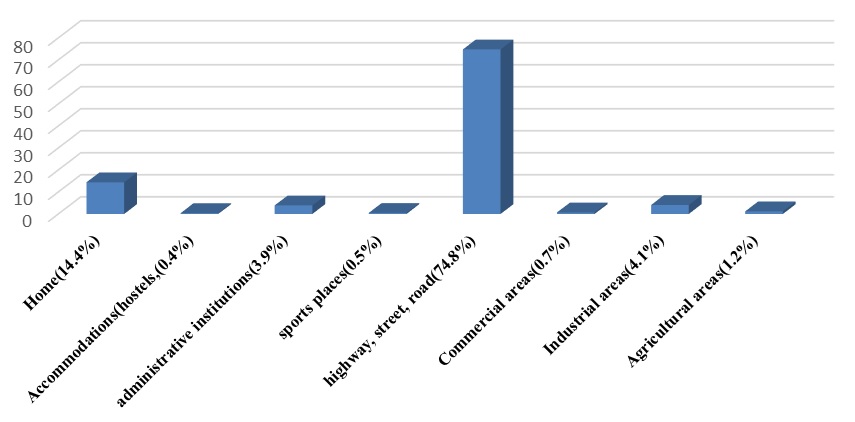
Fig. 1. Places where head trauma occurred
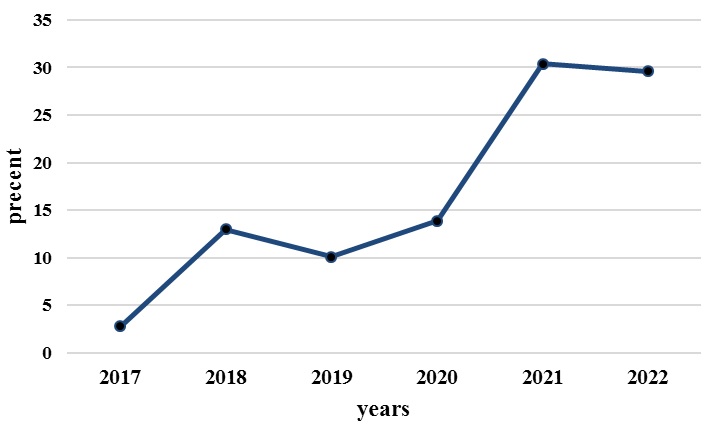
Fig. 2. The frequency of head trauma according to the studied years
Table 3. Univariate and Multivariable ordinal logistic regression analysis
Full-Text: (17 Views)
Introduction
Traumatic brain injury (TBI) is a critical contributor to death and long-term disability worldwide [1]. This condition stems from substantial trauma to the brain inflicted by external mechanical forces such as a blow,
jolt, sudden deceleration, impact, or vibration that disrupt normal brain function [2]. Traumatic brain injury (TBI) may lead to significant cognitive sequelae, including memory deficits and impaired executive function, along with behavioral alterations such as increased aggression, irritability, and apathy [3].
Moreover, TBI can cause deterioration of pre-existing psychiatric conditions and has been associated with various neurodegenerative and psychiatric disorders, including Alzheimer's disease, Parkinson's disease, dementia, mild cognitive impairment, major depressive disorder, mixed affective disorders, bipolar disorder , and sleep-wake disorders [4]
The incidence of TBI is growing, driven by factors such as population density, aging, motor vehicle use in low- and middle-income countries, and a rise in fall-related injuries among the elderly in developed countries [5, 6]. According to research, the risk of TBI is higher among the youth, elderly, adolescent boys, lower socioeconomic groups, and alcohol consumers [7, 8]. The personal and societal costs of TBI can be significant, with annual estimates ranging from 9 to 10 billion USD and an annual incidence between 27 and 69 million people [9, 10]. Prevalence in developed countries is estimated to be 266 per 1000 people, with varying degrees of injury severity and potential complications [11]. Globally, TBI is a leading cause of injury-related mortality, responsible for approximately 37% of such deaths in Europe. Further, TBI accounts for nearly 44% of all injury-related years of life lost (YLLs). These injuries are not restricted to special geographies , claiming lives across all age groups children, working-age adults, and the elderly in both high- and low-income countries [12].
TBI is the second leading cause of death in Iran and the most common reason for hospitalization, with accidents being the primary cause of death in the ICU [13]. According to a study at Harvard University, Iran had the highest rate of accident-related deaths among 18 countries, with a peak in injuries among the 15-24 age group. The overall prevalence of TBI in Iran is approximately 26% [11, 14, 15]. A recent meta-analysis undertaken in Iran demonstrated an incidence rate of traumatic brain injury (TBI) ranging from 15.3 to 144 cases per 100,000 population, with an associated mortality rate of 10.4%. The study identified road traffic accidents and falls as the predominant etiological factors contributing to TBI [4].
For developing evidence-based prevention strategies and mitigating associated health outcomes, a comprehensive understanding of the multifactorial determinants of head trauma encompassing human, technical, and environmental factors along with injury mechanisms is essential [16]. As most mechanisms of TBI are preventable, understanding its epidemiology is vital for better management and prevention. This study investigates the predictive factors for TBI in the central part of Iran, focusing on the city of Kashan.
Materials and Methods
The present cross-sectional study applied data obtained
from the Iranian National Trauma Registry System. A census sampling methodology was employed, enabling a comprehensive review of complete records for 2,287 patients with traumatic brain injury who were hospitalized at Shahid Beheshti Hospital in Kashan from 2017 to 2022 and subsequently registered in the Iranian National Trauma Registry. Data collection was performed using a checklist developed collaboratively by the Sinai Research Center in Tehran as well as the affiliated centers of the Iranian National Trauma Registry. Patient medical records were meticulously analyzed while ensuring the confidentiality of individual information. Note that Shahid Beheshti Hospital serves as a teaching referral hospital located in Kashan, a city with a population of approximately 500,000 in central Iran [17]. The database is comprised of two primary sections. The first section includes checklists related to demographic information, injury details, and emergency department assessments, with all being completed within 24 hours of the patient's admission to the hospital. The second section consists of checklists that document clinical interventions along the hospital stay, diagnoses, patient outcomes, and the severity of injuries. The second part of the checklists is completed using the hospital information system once the patient has been discharged and their records have been finalized. The database records different variables, including demographic information (age, gender, marital status, education level, and occupation), details from the emergency department (substance use such as alcohol, narcotics, sedatives, and hypnotics prior to the accident; use of specific medications; vital signs; underlying health conditions; and Glasgow Coma Scale (GCS) scores). Furthermore, the database includes diagnostic information (mechanisms of injury classified according to ICD-10 and the position of the individual at the time of the accident), severity of injury (Injury Severity Score), final outcomes (recovery or death), and clinical interventions along hospitalization (such as surgical procedures). The inclusion criteria for this study consisted of all patients with traumatic brain injuries whose medical records were accessible at the hospital. Exclusion criteria were established to eliminate records that lacked a definitive diagnosis from a qualified physician, those that could not be clarified or corrected, and any occurrences of data corruption within the database.
Statistical analysis was conducted using SPSS software (version 24). Qualitative data were summarized using relative frequency and percentage indices, while quantitative data applied mean and standard deviation. The Chi-square test explored associations between variables and injury severity, with ordinal logistic regression identifying predictors of severe injuries. The significance threshold was set at p < 0.05.
Traumatic brain injury (TBI) is a critical contributor to death and long-term disability worldwide [1]. This condition stems from substantial trauma to the brain inflicted by external mechanical forces such as a blow,
jolt, sudden deceleration, impact, or vibration that disrupt normal brain function [2]. Traumatic brain injury (TBI) may lead to significant cognitive sequelae, including memory deficits and impaired executive function, along with behavioral alterations such as increased aggression, irritability, and apathy [3].
Moreover, TBI can cause deterioration of pre-existing psychiatric conditions and has been associated with various neurodegenerative and psychiatric disorders, including Alzheimer's disease, Parkinson's disease, dementia, mild cognitive impairment, major depressive disorder, mixed affective disorders, bipolar disorder , and sleep-wake disorders [4]
The incidence of TBI is growing, driven by factors such as population density, aging, motor vehicle use in low- and middle-income countries, and a rise in fall-related injuries among the elderly in developed countries [5, 6]. According to research, the risk of TBI is higher among the youth, elderly, adolescent boys, lower socioeconomic groups, and alcohol consumers [7, 8]. The personal and societal costs of TBI can be significant, with annual estimates ranging from 9 to 10 billion USD and an annual incidence between 27 and 69 million people [9, 10]. Prevalence in developed countries is estimated to be 266 per 1000 people, with varying degrees of injury severity and potential complications [11]. Globally, TBI is a leading cause of injury-related mortality, responsible for approximately 37% of such deaths in Europe. Further, TBI accounts for nearly 44% of all injury-related years of life lost (YLLs). These injuries are not restricted to special geographies , claiming lives across all age groups children, working-age adults, and the elderly in both high- and low-income countries [12].
TBI is the second leading cause of death in Iran and the most common reason for hospitalization, with accidents being the primary cause of death in the ICU [13]. According to a study at Harvard University, Iran had the highest rate of accident-related deaths among 18 countries, with a peak in injuries among the 15-24 age group. The overall prevalence of TBI in Iran is approximately 26% [11, 14, 15]. A recent meta-analysis undertaken in Iran demonstrated an incidence rate of traumatic brain injury (TBI) ranging from 15.3 to 144 cases per 100,000 population, with an associated mortality rate of 10.4%. The study identified road traffic accidents and falls as the predominant etiological factors contributing to TBI [4].
For developing evidence-based prevention strategies and mitigating associated health outcomes, a comprehensive understanding of the multifactorial determinants of head trauma encompassing human, technical, and environmental factors along with injury mechanisms is essential [16]. As most mechanisms of TBI are preventable, understanding its epidemiology is vital for better management and prevention. This study investigates the predictive factors for TBI in the central part of Iran, focusing on the city of Kashan.
Materials and Methods
The present cross-sectional study applied data obtained
from the Iranian National Trauma Registry System. A census sampling methodology was employed, enabling a comprehensive review of complete records for 2,287 patients with traumatic brain injury who were hospitalized at Shahid Beheshti Hospital in Kashan from 2017 to 2022 and subsequently registered in the Iranian National Trauma Registry. Data collection was performed using a checklist developed collaboratively by the Sinai Research Center in Tehran as well as the affiliated centers of the Iranian National Trauma Registry. Patient medical records were meticulously analyzed while ensuring the confidentiality of individual information. Note that Shahid Beheshti Hospital serves as a teaching referral hospital located in Kashan, a city with a population of approximately 500,000 in central Iran [17]. The database is comprised of two primary sections. The first section includes checklists related to demographic information, injury details, and emergency department assessments, with all being completed within 24 hours of the patient's admission to the hospital. The second section consists of checklists that document clinical interventions along the hospital stay, diagnoses, patient outcomes, and the severity of injuries. The second part of the checklists is completed using the hospital information system once the patient has been discharged and their records have been finalized. The database records different variables, including demographic information (age, gender, marital status, education level, and occupation), details from the emergency department (substance use such as alcohol, narcotics, sedatives, and hypnotics prior to the accident; use of specific medications; vital signs; underlying health conditions; and Glasgow Coma Scale (GCS) scores). Furthermore, the database includes diagnostic information (mechanisms of injury classified according to ICD-10 and the position of the individual at the time of the accident), severity of injury (Injury Severity Score), final outcomes (recovery or death), and clinical interventions along hospitalization (such as surgical procedures). The inclusion criteria for this study consisted of all patients with traumatic brain injuries whose medical records were accessible at the hospital. Exclusion criteria were established to eliminate records that lacked a definitive diagnosis from a qualified physician, those that could not be clarified or corrected, and any occurrences of data corruption within the database.
Statistical analysis was conducted using SPSS software (version 24). Qualitative data were summarized using relative frequency and percentage indices, while quantitative data applied mean and standard deviation. The Chi-square test explored associations between variables and injury severity, with ordinal logistic regression identifying predictors of severe injuries. The significance threshold was set at p < 0.05.
Results
The research group comprised 2287 individuals, averaging 40.22 ± 22.17 years of age. Of these participants, 1803 (78.8%) were male, 1410 (61.7%) were married, and the majority had an education level below diploma 1192 (52.1%). Most individuals were employed 1397 (61.1%). More than 50% of patients with head trauma underwent surgical intervention, yet the mortality rate remained low at 6.4%. The predominant causes of head trauma were traffic accidents (73.9%) and falls (21.2%), with motorcyclists accounting for the majority of cases (66.8%) (Table 1). The results revealed that moderate injury severity was most prevalent among males (80.8%), whereas females indicated a higher frequency of mild injuries (21.4%). Injury severity distribution was relatively consistent
across occupational groups. Notably, approximately 90% of non-substance users exhibited moderate injury severity. In contrast, those with blood oxygen saturation levels below 90% had a significantly higher prevalence of severe injuries (21.2%). Also, a substantial proportion of patients with Glasgow Coma Scale (GCS) scores below 8 presented with severe injuries (24.8%), while those with normal GCS scores (13–15) predominantly experienced mild injuries (96.1%). Over 80% of surgically treated patients reported severe injuries, particularly among head trauma cases caused by accidents, with the severe injury rate reaching 81.5%. Motorcyclists represented the majority of moderate injury cases, accounting for 68% of such instances. (Table 2). The majority of trauma incidents occurred on roads or streets (74.8%), followed by houses (14.4%) (Fig. 1).
The research group comprised 2287 individuals, averaging 40.22 ± 22.17 years of age. Of these participants, 1803 (78.8%) were male, 1410 (61.7%) were married, and the majority had an education level below diploma 1192 (52.1%). Most individuals were employed 1397 (61.1%). More than 50% of patients with head trauma underwent surgical intervention, yet the mortality rate remained low at 6.4%. The predominant causes of head trauma were traffic accidents (73.9%) and falls (21.2%), with motorcyclists accounting for the majority of cases (66.8%) (Table 1). The results revealed that moderate injury severity was most prevalent among males (80.8%), whereas females indicated a higher frequency of mild injuries (21.4%). Injury severity distribution was relatively consistent
across occupational groups. Notably, approximately 90% of non-substance users exhibited moderate injury severity. In contrast, those with blood oxygen saturation levels below 90% had a significantly higher prevalence of severe injuries (21.2%). Also, a substantial proportion of patients with Glasgow Coma Scale (GCS) scores below 8 presented with severe injuries (24.8%), while those with normal GCS scores (13–15) predominantly experienced mild injuries (96.1%). Over 80% of surgically treated patients reported severe injuries, particularly among head trauma cases caused by accidents, with the severe injury rate reaching 81.5%. Motorcyclists represented the majority of moderate injury cases, accounting for 68% of such instances. (Table 2). The majority of trauma incidents occurred on roads or streets (74.8%), followed by houses (14.4%) (Fig. 1).
Table 1. Characteristics of the study participants
| Percent (%) | Frequency (n) | Variables | |
| 78.8 | 1803 | Male | Sex |
| 21.2 | 484 | Female | |
| 61.7 | 1410 | Married | Marital status |
| 34.8 | 797 | Single | |
| 3.5 | 80 | Widowed | |
| 19.8 | 453 | Illiterate | Level of education |
| 52.1 | 1192 | Elementary and high school level | |
| 19.9 | 455 | Diploma | |
| 8.2 | 187 | University | |
| 38.6 | 882 | Unemployed | Occupation |
| 61.1 | 1397 | Employee | |
| 0.3 | 8 | Freelance job | |
| 1.2 | 28 | Yes | Alcohol consumption |
| 98.8 | 2259 | No | |
| 1.4 | 31 | Yes | Drug use |
| 98.6 | 2256 | No | |
| 1.6 | 37 | Yes | Sedative consumption |
| 98.4 | 2250 | No | |
| 25.8 | 591 | Yes | Underlying disease |
| 74.2 | 1696 | No | |
| 92.5 | 2116 | <90 | O2 saturation |
| 7.5 | 171 | <90 | |
| 5.5 | 126 | <12 | Respiratory rate |
| 87.4 | 1988 | 12-20 | |
| 7.0 | 160 | >20 | |
| 94.5 | 2049 | 60-100 | Pulse rate of adult |
| 5.5 | 119 | >100 | |
| 22.7 | 27 | >120 - <80 | Pulse rate of children 1-8 years old |
| 77.3 | 92 | 80-120 | |
| 7.1 | 163 | <8 | GCS |
| 4.4 | 100 | 9-12 | |
| 88.4 | 2012 | 13-15 | |
| 93.0 | 2127 | <90 | Systolic blood pressure |
| 7.0 | 160 | <90 | |
| 54.5 | 1247 | Yes | Surgery |
| 45.5 | 1040 | No | |
| 6.4 | 146 | Mortality | Outcome |
| 93.6 | 2141 | Recovery | |
| 73.9 | 1690 | Accident | Etiology |
| 21.2 | 485 | Fall | |
| 4.9 | 112 | Other items | |
| 10.5 | 239 | Pedestrian | Position at accident |
| 66.8 | 1528 | Motorcyclist | |
| 22.7 | 520 | Car driver | |
| Means± SD | Age | ||
| 40.22± 22.17 | |||
Fig. 1. Places where head trauma occurred
Table 2. Determinants influencing traumatic head injury severity
| Injury severity score(ISS) | Variables | |||
| Sever N(%) | Moderate N(%) | Mild injury N(%) | ||
| 119(81.5) | 619(80.8) | 978(78.6) | Male | Sex |
| 27(18.5) | 147(19.2) | 267(21.4) | Female | |
| 81(55.5) | 450(58.7) | 793(63.7) | Married | Marital status |
| 56(38.4) | 252(36.8) | 423(34.0) | Single | |
| 9(6.2) | 34(4.4) | 29(2.3) | Widowed | |
| 27(18.5) | 163(21.3 | 238(19.1) | Illiterate | Level of education |
| 77(52.7) | 426(55.6) | 631(50.7) | Elementary and high school level | |
| 31(21.2) | 126(16.4) | 266(21.4) | Diploma | |
| 11(7.5) | 51(6.7) | 110 (8.8) | University | |
| 89(61.0) | 473(61.7) | 766(61.5) | Employee | Occupation |
| 1(0.7) | 3(0.4) | 3(0.2) | Freelance job | |
| 56(38.4) | 290(37.9) | 476(38.2) | Unemployed | |
| 3(2.1) | 10(1.3) | 14(1.1) | Yes | Alcohol consumption |
| 143(97.9) | 756(98.7) | 1231(98.9) | No | |
| 4(2.7) | 15(2.0) | 12(1.0) | Yes | Drug use |
| 142(97.3) | 751(98.0) | 1233(99.0) | No | |
| 3(2.1) | 13(1.7) | 16(1.3) | Yes | Sedative consumption |
| 143(97.9) | 753(98.3) | 1229(98.7) | No | |
| 32(21.9) | 213(27.8) | 320(25.7) | Yes | Underlying disease |
| 114(78.1) | 553(72.2) | 925(74.3) | No | |
| 31(21.2) | 91(11.9) | 46(3.7) | <90 | O2 saturation |
| 115(78.8) | 675(88.1) | 1199(96.3) | <90 | |
| 23(15.8) | 67(8.7) | 22(1.8) | <12 | Respiratory rate |
| 115(78.8) | 632(82.5) | 1140(91.6) | 12-20 | |
| 8(5.5) | 67(8.7) | 83(6.7) | >20 | |
| 26(18.8) | 57(7.9) | 34(2.9) | >100 | Pulse rate of adult |
| 112(81.2) | 667(92.1) | 1149(97.1) | 60-100 | |
| 3(37.5) | 12(28.6) | 12(19.4) | >120 - <80 | Pulse rate of children 1-8 years old |
| 5(62.5) | 30(71.4) | 50(80.6) | 80-120 | |
| 36(24.8) | 98(12.8) | 29(2.3) | <8 | GCS |
| 26(17.9) | 55(7.2) | 19(1.5) | 9-12 | |
| 83(57.2) | 610(79.9) | 1191(96.1) | 13-15 | |
| 24(16.4) | 56(7.3) | 69(5.5) | <90 | Systolic blood pressure |
| 122(83.6) | 710(92.7) | 1176(94.5) | >90 | |
| 118(80.8) | 524(68.4) | 594(47.7) | Yes | Surgery |
| 28(19.2) | 242(31.6) | 651(52.3) | No | |
| 29(19.9) | 85(11.1) | 32(2.6) | Mortality | Outcome |
| 117(80.1) | 681(88.9) | 1213(97.4) | Recovery | |
| 119(81.5) | 578(75.5) | 896(72.0) | Accident | Etiology |
| 18(12.3) | 159(20.8) | 281(22.6) | Fall | |
| 9(6.2) | 29(3.8) | 68(5.5) | Other items | |
| 13(8.9) | 83(10.8) | 129(10.4) | Pedestrian | Position at accident |
| 92(63.0) | 521(68.0) | 830(66.7) | Motorcyclist | |
| 41(28.1) | 162(21.1) | 286(23.0) | Car driver | |
| 37.50±22.01 | 41.78±23.26 | 36.68±21.6 | Age | |
Univariate analysis demonstrated a significant association between head trauma severity and multiple factors, including marital status, education level, substance use, oxygen saturation, respiratory rate, pulse rate, Glasgow Coma Scale (GCS) score, systolic blood pressure, surgical intervention requirement, final patient outcome, and the individual's position during injury (p < 0.05). In the multivariate analysis, it was found that men had 1.03 times higher odds of sustaining traumatic injuries compared to women, though this finding was not statistically significant. Marital status revealed that married and single individuals had 59% and 56% lower odds, respectively, of suffering injuries compared to those who were widowed. Moreover, those who were illiterate or had less than a high school education showed 1.15 and 1.14 times higher odds of sustaining injuries, respectively. Drug use was linked to a 2.48-fold increase in the odds of injury. Further, a low respiratory rate was associated with 1.41 times higher odds of injury, while a high respiratory rate augmented the odds by 1.08 times compared to normal breathing. Severe Glasgow Coma Scale (GCS) scores were correlated with 3.36 times greater odds of injury, whereas moderate GCS scores elevated the odds by 5.91 times. Patients who underwent surgery exhibited a 2.59-fold increase in injury severity compared to those who did not undergo surgical intervention.
Notably, the odds of brain injury were 14% higher in those with systolic blood pressure lower than 90 mmHg compared to their counterparts. Conversely, those with blood oxygen levels above 90% had 4% lower odds of sustaining injuries, whereas those with pulse rates exceeding 100 beats per minute had 40% lower odds of being injured. Note that crashes presented 44% higher odds of resulting in injuries compared to other factors. Also, the severity of head injuries among pedestrians and motorcyclists was 1.22 and 1.02 times greater, respectively, than that observed among car occupants (Table 3). From 2017 to 2022, the incidence of traumatic brain injury has shown a consistent ascending trend, albeit with some minor fluctuations (Fig. 2).
Notably, the odds of brain injury were 14% higher in those with systolic blood pressure lower than 90 mmHg compared to their counterparts. Conversely, those with blood oxygen levels above 90% had 4% lower odds of sustaining injuries, whereas those with pulse rates exceeding 100 beats per minute had 40% lower odds of being injured. Note that crashes presented 44% higher odds of resulting in injuries compared to other factors. Also, the severity of head injuries among pedestrians and motorcyclists was 1.22 and 1.02 times greater, respectively, than that observed among car occupants (Table 3). From 2017 to 2022, the incidence of traumatic brain injury has shown a consistent ascending trend, albeit with some minor fluctuations (Fig. 2).
Fig. 2. The frequency of head trauma according to the studied years
Table 3. Univariate and Multivariable ordinal logistic regression analysis
| Variables | Univariate OR (95% CI) |
P-value | Multivariate OR (95% CI) |
P-value | |
| Sex | Male | 1.15(0.93-1.42) | 0.17 | 1.03 (0.80 – 1.31) | 0.79 |
| Female | 1 | ||||
| Marital status | Married | 0.45 (0.28 -0.71) | 0.001 | 0.41 (0.25-0.69) | 0.001 |
| Single | 0.54 (0.34 -0.85) | 0.009 | 0.44(0.26 – 0.74) | 0.002 | |
| Widowed | 1 | 1 | 1 | ||
| Level of education | Illiterate | 1.36 (0.95-1.95) | 0.08 |
1.15(0.77 – 1.72) | 0.48 |
| Elementary and high school level | 1.37(0.99 – 1.91) | 0.05 | 1.14(0.80 - 1.62) | 0.43 | |
| Diploma | 1.05 (0.73 – 1.52) | 0.75 | 0.93(0.63 – 1.36) | 0.71 | |
| University | 1 | 1 | 1 | ||
| Occupation | Employee | 0.51 (0.12 -2.12) | 0.36 | -- | - |
| Unemployed | 0.51 (0.12 – 2.13) | 0.36 | |||
| Freelance job | 1 | 1 | |||
| Alcohol consumption | Yes | 1.33 (0.64-2.78) | 0.43 | - | - |
| No | 1 | ||||
| Drug use | Yes | 2.13(1.09- 4.23 | 0.02 | 2.48( 1.08 – 5.72) | 0.03 |
| No | 1 | 1 | |||
| Sedative consumption | Yes | 1.38(0.70 – 2.71) | 0.34 | - | - |
| No | 1 |
| Underlying disease | Yes | 0.97(0.80 – 1.17) | 0.76 | ||
| No | 1 | ||||
| O2 saturation | <90 | 0.25 (0.18 – 0.34) | <0.001 | 0.96(0.64 – 1.43) | 0.85 |
| <90 | 1 | 1 | |||
| Respiratory rate | <12 | 5.13(3.53 – 7.45) | <0.001 | 1.41 (0.88 – 2.25) | 0.14 |
| >20 | 1.30(0.61 – 1.79) | 0.09 | 1.08 (0.76 – 1.55) | 0.63 | |
| 12-20 | 1 | 1 | 1 | ||
| Pulse rate of adult | >100 | 0.25(0.17 – 0.36) | <0.001 | 0.60 (0.41 – 0.86) | 0.007 |
| 60-100 | 1 | 1 | |||
| Pulse rate of children 1-8 years old | 80-120 | 0.54 (0.23 -1.27) | 0.16 | 0.73(0.60 – 0.88) | 0.001 |
| >120 - <80 | 1 | 1 | |||
| GCS | <8 | 7.02(5.07 – 9.71) | <0.001 | 3.36 (2.19 – 5.15) | <0.001 |
| 9-12 | 10.38(5.10 – 11.42) | <0.001 | 5.91(3.85 – 9.06) | <0.001 | |
| 13-15 | 1 | 1 | 1 | ||
| Systolic blood pressure |
<90 | 1.86(1.35 – 2.56) | <0.001 | 1.14 (0.78 – 1.68) | 0.47 |
| <90 | 1 | 1 | |||
| Surgical | Yes | 2.65(2.22-3.17) | <0.001 | 2.59(2.14 – 3.14) | <0.001 |
| No | 1 | 1 | |||
| Outcome | Mortality | 0.209(0.15-0.29) | <0.001 | 0.57(0.38 – 0.86) | 0.008 |
| Recovery | 1 | 1 | |||
| Etiology | Accident | 1.33(0.89 – 1.98) | 0.16 | 1.44(0.93 – 2.22) | 0.09 |
| Fall | 1.03 (0.67 -1.59) | 0.86 | 1.10(0.69 – 1.75) | 0.67 | |
| Other items | 1 | 1 | 1 | ||
| Position at accident | Pedestrian | 1.00(0.75 – 1.32) | <0.001 | 1.22(0.89 – 1.69) | 0.20 |
| Motorcyclist | 1.00 (0.73 -1.36) | <0.001 | 1.02(0.73 – 1.43) | 0.88 | |
| Car driver | 1 | 1 | 1 | - | |
| Age | 1.00 (0.99 – 1.00) | 0.31 | - | - | |
Discussion
A recent study was undertaken to specify the predictive factors for head trauma in central Iran. In the current study, traumatic brain injury was more prevalent among men than among women, which is in line with findings from other research conducted in Iran [18, 19] In Europe, men are about 1.5 times more likely to experience a traumatic brain injury (TBI) [20]. One possible explanation for this difference is the high pre-hospital mortality rate in Iran, meaning many individuals die before they can reach healthcare centers [21].
The severity of brain injury was significantly higher in patients with systolic blood pressure (SBP) below 90 mm Hg. This relationship may be owing to the critical role of blood pressure in cerebral perfusion, as hypotension post-TBI is recognized as an important secondary complication associated with unfavorable clinical outcomes. Accordingly, current guidelines for managing blood pressure in patients with TBI emphasize maintaining SBP above 90 mm Hg to prevent diminished cerebral perfusion and subsequent complications [22].
The existing data demonstrate that the majority of injury cases involve severe head trauma. Notably, motorcyclists constitute a substantial proportion of those with moderate injuries. This trend can be largely attributed to the inherent structural vulnerabilities of motorcycles, which lack the protective features found in automobiles. Unlike cars, equipped with safety systems such as airbags and reinforced frames, motorcycles provide minimal protection, leaving riders and passengers directly exposed to impact forces during collisions. This increased exposure significantly contributes to the high incidence and severity of traumatic brain injuries (TBI) among motorcyclists [23]. Traffic-related incidents and falls were identified as the leading causes of head trauma among the cases analyzed, consistent with prior reports in the literature [4, 19, 24], which may be because of non-compliance with traffic rules and regulations or the failure to wear helmets while riding motorcycles [25]. A lowered level of consciousness, as measured by the Glasgow Coma Scale (GCS), in the moderate to severe range, was linked to greater severity of brain injury. These findings align with previous research [26, 27]. Moreover, diagnostic conditions such as hypoxemia and respiratory distress were identified as independent risk factors for poorer outcomes following trauma, which is also supported by other studies [26, 28]. Clinical evidence confirms that hypoxemia and rapid breathing can predict the development of acute respiratory distress syndrome and higher rate of mortality in patients with brain injuries [18, 29[.
From a pathophysiological view, the development of acute respiratory distress syndrome (ARDS) following traumatic brain injury (TBI) is a plausible occurrence and may precipitate secondary complications such as hypoxia, cerebral ischemia, and aspiration pneumonia. For instance, by impairing oxygen delivery to the brain— hypoxia not only elevates the risk of localized ischemic injury but may also exacerbate neuronal damage through vascular occlusion mechanisms, including microthrombi formation, and can potentially lead to cardiac arrest [30]. The findings of this study revealed that substance use is associated with a 2.48-fold increase in the risk of injury. Substance use has historically been recognized as a significant contributing factor to traumatic injuries, with approximately 30 to 40% of trauma-related cases in hospital settings testing positive for drug involvement [31].
In this study, surgery was associated with a 59% rise in injury severity among patients. Nevertheless, the findings also suggest that surgical intervention can improve functional outcomes and lower mortality in patients undergoing neurosurgical procedures [32]. Thus, patients with more severe injuries are more likely to require surgical treatment [33] The most common locations for trauma were observed to be roads, streets, and homes, as also found by other studies in this area [34, 35].
This study found that traumatic brain injuries have been gradually growing from 2017 to 2022, with some small fluctuations along the way. Factors such as more people using private cars, violations of traffic laws, and overall increased traffic volume are significant contributors to accidents in Iran. Moreover, a study noted that the rate of accidents on Iranian suburban roads is 3.5 times higher than on rural roads [36]. Given Kashan's position on a major transit route, it is not surprising to witness a high rate of road accidents and resulting traumatic brain injuries. To help reduce these incidents, strategies such as ameliorating road conditions, encouraging safe driving habits, and enhancing communication between drivers and pedestrians could be very effective in lowering road traffic accidents as well as occurrence of traumatic brain injuries in Iran [4]. The study’s limitation was lack of data from other cities, which may affect the generalizability of the findings. Thus, multi-center studies could yield more comprehensive and reliable results in this field.
Conclusion
This epidemiological study of 2,287 head trauma cases elucidated critical patterns in injury mechanisms, demographic risk factors, and clinical outcomes. The data demonstrated that road traffic accidents especially motorcycle collisions and falls represent the predominant etiologies, mirroring global trauma epidemiology trends. Notably, whereas surgical intervention was indicated in >50% of cases, the observed mortality rate of 6.4% suggests effective acute care management protocols. This study identified several clinically significant predictors of injury severity, including sex, substance abuse, hypoxia, and GCS scores, along with BP parameters. The strong association between surgical intervention and injury severity may reflect appropriate clinical triage practices for critical cases. The growing TBI trend (2017–2022) and high motorcyclist involvement (66.8%) call for stricter helmet laws and safety programs. Identified risk factors (e.g., substance use, GCS scores) should guide clinical triage. These findings support targeted prevention and prompt high-risk patient management to ameliorate outcomes. Addressing these factors is critical for regional public health progress.
Acknowledgments
The authors gratefully acknowledge all individuals who assisted with this research.
Conflict of interest
None declared.
Funding
None
Ethical Considerations
The study adhered to the Helsinki ethical guidelines.
Code of Ethics
The ethics board of Kashan University of Medical Sciences approved this study. (IR.KAUMS.NUHEPM.REC.1402.048).
Authors' Contributions
Esmaeil Fakharian, Mojtaba Sehat and Mohammad Reza Fazel: Conception and design of the study; Soudabehoudabeh Yarmohammadi and Faezeh Asgari: Data collection; Mehrdad Mahdian: Study design; Khadijeh Kalan Farmanfarma: Drafting the article, study design, data analysis, and critical revision for important intellectual content. All authors approved the final version of the manuscript for publication.
A recent study was undertaken to specify the predictive factors for head trauma in central Iran. In the current study, traumatic brain injury was more prevalent among men than among women, which is in line with findings from other research conducted in Iran [18, 19] In Europe, men are about 1.5 times more likely to experience a traumatic brain injury (TBI) [20]. One possible explanation for this difference is the high pre-hospital mortality rate in Iran, meaning many individuals die before they can reach healthcare centers [21].
The severity of brain injury was significantly higher in patients with systolic blood pressure (SBP) below 90 mm Hg. This relationship may be owing to the critical role of blood pressure in cerebral perfusion, as hypotension post-TBI is recognized as an important secondary complication associated with unfavorable clinical outcomes. Accordingly, current guidelines for managing blood pressure in patients with TBI emphasize maintaining SBP above 90 mm Hg to prevent diminished cerebral perfusion and subsequent complications [22].
The existing data demonstrate that the majority of injury cases involve severe head trauma. Notably, motorcyclists constitute a substantial proportion of those with moderate injuries. This trend can be largely attributed to the inherent structural vulnerabilities of motorcycles, which lack the protective features found in automobiles. Unlike cars, equipped with safety systems such as airbags and reinforced frames, motorcycles provide minimal protection, leaving riders and passengers directly exposed to impact forces during collisions. This increased exposure significantly contributes to the high incidence and severity of traumatic brain injuries (TBI) among motorcyclists [23]. Traffic-related incidents and falls were identified as the leading causes of head trauma among the cases analyzed, consistent with prior reports in the literature [4, 19, 24], which may be because of non-compliance with traffic rules and regulations or the failure to wear helmets while riding motorcycles [25]. A lowered level of consciousness, as measured by the Glasgow Coma Scale (GCS), in the moderate to severe range, was linked to greater severity of brain injury. These findings align with previous research [26, 27]. Moreover, diagnostic conditions such as hypoxemia and respiratory distress were identified as independent risk factors for poorer outcomes following trauma, which is also supported by other studies [26, 28]. Clinical evidence confirms that hypoxemia and rapid breathing can predict the development of acute respiratory distress syndrome and higher rate of mortality in patients with brain injuries [18, 29[.
From a pathophysiological view, the development of acute respiratory distress syndrome (ARDS) following traumatic brain injury (TBI) is a plausible occurrence and may precipitate secondary complications such as hypoxia, cerebral ischemia, and aspiration pneumonia. For instance, by impairing oxygen delivery to the brain— hypoxia not only elevates the risk of localized ischemic injury but may also exacerbate neuronal damage through vascular occlusion mechanisms, including microthrombi formation, and can potentially lead to cardiac arrest [30]. The findings of this study revealed that substance use is associated with a 2.48-fold increase in the risk of injury. Substance use has historically been recognized as a significant contributing factor to traumatic injuries, with approximately 30 to 40% of trauma-related cases in hospital settings testing positive for drug involvement [31].
In this study, surgery was associated with a 59% rise in injury severity among patients. Nevertheless, the findings also suggest that surgical intervention can improve functional outcomes and lower mortality in patients undergoing neurosurgical procedures [32]. Thus, patients with more severe injuries are more likely to require surgical treatment [33] The most common locations for trauma were observed to be roads, streets, and homes, as also found by other studies in this area [34, 35].
This study found that traumatic brain injuries have been gradually growing from 2017 to 2022, with some small fluctuations along the way. Factors such as more people using private cars, violations of traffic laws, and overall increased traffic volume are significant contributors to accidents in Iran. Moreover, a study noted that the rate of accidents on Iranian suburban roads is 3.5 times higher than on rural roads [36]. Given Kashan's position on a major transit route, it is not surprising to witness a high rate of road accidents and resulting traumatic brain injuries. To help reduce these incidents, strategies such as ameliorating road conditions, encouraging safe driving habits, and enhancing communication between drivers and pedestrians could be very effective in lowering road traffic accidents as well as occurrence of traumatic brain injuries in Iran [4]. The study’s limitation was lack of data from other cities, which may affect the generalizability of the findings. Thus, multi-center studies could yield more comprehensive and reliable results in this field.
Conclusion
This epidemiological study of 2,287 head trauma cases elucidated critical patterns in injury mechanisms, demographic risk factors, and clinical outcomes. The data demonstrated that road traffic accidents especially motorcycle collisions and falls represent the predominant etiologies, mirroring global trauma epidemiology trends. Notably, whereas surgical intervention was indicated in >50% of cases, the observed mortality rate of 6.4% suggests effective acute care management protocols. This study identified several clinically significant predictors of injury severity, including sex, substance abuse, hypoxia, and GCS scores, along with BP parameters. The strong association between surgical intervention and injury severity may reflect appropriate clinical triage practices for critical cases. The growing TBI trend (2017–2022) and high motorcyclist involvement (66.8%) call for stricter helmet laws and safety programs. Identified risk factors (e.g., substance use, GCS scores) should guide clinical triage. These findings support targeted prevention and prompt high-risk patient management to ameliorate outcomes. Addressing these factors is critical for regional public health progress.
Acknowledgments
The authors gratefully acknowledge all individuals who assisted with this research.
Conflict of interest
None declared.
Funding
None
Ethical Considerations
The study adhered to the Helsinki ethical guidelines.
Code of Ethics
The ethics board of Kashan University of Medical Sciences approved this study. (IR.KAUMS.NUHEPM.REC.1402.048).
Authors' Contributions
Esmaeil Fakharian, Mojtaba Sehat and Mohammad Reza Fazel: Conception and design of the study; Soudabehoudabeh Yarmohammadi and Faezeh Asgari: Data collection; Mehrdad Mahdian: Study design; Khadijeh Kalan Farmanfarma: Drafting the article, study design, data analysis, and critical revision for important intellectual content. All authors approved the final version of the manuscript for publication.
References
1. Al-Hajj S, Hammoud Z, Colnaric J, Ataya M, Macaron MM, Kadi K, et al. Characterization of traumatic brain injury research in the Middle East and North Africa region: a systematic review. Neuroepidemiology. 2021:1-12. [DOI] [PMID]
2. Gómez-de-Regil L, Estrella-Castillo DF, Vega-Cauich J. Psychological intervention in traumatic brain injury patients. Behav Neurol. 2019;2019:6937832. [DOI] [PMID] [PMCID]
3. Riggio S. Traumatic brain injury and its neurobehavioral sequelae. Neurol Clin. 2011;29(1):35-47. [DOI] [PMID]
4. Maleki MS, Mazaheri SA, Hosseini SH, Majdabadi HA, Poursadeqiyan M, Faghihi A, et al. Epidemiology of traumatic brain Injury in Iran: a systematic review and Meta-analysis. Iran J Public Health. 2023;52(9):181831. [DOI] [PMID] [PMCID]
5. Al-Shareef AS, Thaqafi MA, Alzahrani M, Samman AM, AlShareef A, Alzahrani A, et al. Traumatic brain injury cases' mortality predictors, association, and outcomes in the Emergency Department at a tertiary healthcare center in Saudi Arabia. Asian J Neurosurg. 2022;17(03):416-22. [DOI] [PMID] [PMCID]
6. Huang HC, Bih LI, Tsai MM, Chang TL, Liao WC, Lai CL. Post-acute care for traumatic brain injury patients in Taiwan. Int J Gen Med. 2023;16:1653-9. [DOI] [PMID] [PMCID]
7. Corrigan JD, Selassie AW, Orman JA. The epidemiology of traumatic brain injury. J Head Trauma Rehabil. 2010;25(2):72-80. [DOI] [PMID]
8. Langlois JA, Rutland-Brown W, Thomas KE. Traumatic brain injury in the United States: emergency department visits, hospitalizations, and deaths. Atlanta, United States: CDC Stacks Public Health Publications; 2006.
9. Frost RB, Farrer TJ, Primosch M, Hedges DW. Prevalence of traumatic brain injury in the general adult population: a meta-analysis. Neuroepidemiology. 2013;40(3):154-9. [DOI] [PMID]
10. Dewan MC, Rattani A, Gupta S, Baticulon RE, Hung YC, Punchak M, et al. Estimating the global incidence of traumatic brain injury. J Neurosurg. 2018;130(4):1080-97. [DOI] [PMID]
11. Sadeghi S, Mohammadi HR. Prevalence of Head Trauma in Iran: A Systematic Review and Meta-analysis. Arch Neurosci. 2023;10(2):e134291. [DOI]
12. Sivco P, Plancikova D, Melichova J, Rusnak M, Hereitova I, Beranek V, et al. Traumatic brain injury related deaths in residents and non-residents of 30 European countries: a cross-sectional study. Sci Rep. 2023;13(1):7610. [DOI] [PMID] [PMCID]
13. Ziaeirad M, Alimohammadi N, Irajpour A, Aminmansour B. Association between outcome of severe traumatic brain injury and demographic, clinical, injury-related variables of patients. Iran J Nurs Midwifery Res. 2018;23(3):211-6. [DOI] [PMID] [PMCID]
14. Bhalla K, Sharaz S, Abraham J, Bartels D, Yeh PH. Road Injuries in 18 Countries: Methods, data sources and estimates of the national incidence of road injuries. Boston, MA, United States: Department of Global Health and Population Harvard School of Public Health; 2011.
15. Ghawami H, Jazayeri SB, Sabeti Nowsud A, Sharif-Alhoseini M, Shirvani A, Kheyri M, et al. National guidelines for cognitive assessment and rehabilitation of Iranian traumatic brain injury patients. Arch Iran Med. 2020;23(12):813-20. [DOI] [PMID]
16. Vafaee R, Vafaei A, Forouzanfar MM, Asadollahi S, Kashani P, Heidari K, et al. Epidemiology of traumatic brain injury in Iranian population: the results of a multicenter study. Wulfenia. 2013;20(9):257-63.
17. Fakharian E, Sehat Z, Sehat M. Traumatic spine injury in Kashan, Iran. J Emerg Pract Trauma. 2019;5(2):65-70. [DOI]
18. Saadat S, Akbari H, Khorramirouz R, Mofid R, Rahimi-Movaghar V. Determinants of mortality in patients with traumatic brain injury. Ulus Travma Acil Cerrahi Derg. 2012;18(3):219-24. [PMID]
19. Reza A, Riahi E, Daneshi A, Golchini E. The incidence of traumatic brain injury in Tehran, Iran. Brain Inj. 2018;32(4):487-92. [DOI] [PMID]
20. L Wilson M, Tenovuo O, Mattila VM, Gissler M, Celedonia KL, Impinen A, et al. Pediatric TBI in Finland: an examination of hospital discharges (1998–2012). Eur J Paediatr Neurol. 2017;21(2):374-81. [DOI] [PMID]
21. MRC CRASH Trial Collaborators; Perel P, Arango M, Clayton T, Edwards P, Komolafe E, et al. Predicting outcome after traumatic brain injury: practical prognostic models based on large cohort of international patients. BMJ. 2008;336(7641):425-9. [DOI] [PMID] [PMCID]
22. Hendricks HT, Heeren AH, Vos PE. Dysautonomia after severe traumatic brain injury. Eur J Neurol. 2010;17(9):1172-7. [DOI] [PMID]
23. Eom KS. The time-related trends in the presenting of traumatic head injury in a single institution. Korean J Neurotrauma. 2020;16(1):28-37. [DOI] [PMID] [PMCID]
24. Ogolo DE, Ibe MO. Determinants of outcome in traumatic head injuries: a south east Nigeria experience. World Neurosurg. 2021;149:e386-91. [DOI] [PMID]
25. Heskestad B, Baardsen R, Helseth E, Romner B, Waterloo K, Ingebrigtsen T. Incidence of hospital referred head injuries in Norway: a population based survey from the Stavanger region. Scand J Trauma Resusc Emerg Med. 2009;17:6. [DOI] [PMID] [PMCID]
26. G/Michael S, Terefe B, Asfaw MG, Liyew B. Outcomes and associated factors of traumatic brain injury among adult patients treated in Amhara regional state comprehensive specialized hospitals. BMC Emerg Med. 2023;23(1):109. [DOI] [PMID] [PMCID]
27. Kumara MG, Dhugasa MB. Factors Affecting Traumatic Brain Injury Outcome Among Patients Treated For Head Injury At Surgical Side, in Nekemte Referral Hospital, Oromia, Ethiopia. J Spine Neurosci. 2020;1(2):1-13. [DOI]
28. Landes M, Venugopal R, Berman S, Heffernan S, Maskalyk J, Azazh A. Epidemiology, clinical characteristics and outcomes of head injured patients in an Ethiopian emergency centre. Afr J Emerg Med. 2017;7(3):130-4. [DOI] [PMID] [PMCID]
29. Koutsoukou A, Katsiari M, Orfanos SE, Kotanidou A, Daganou M, Kyriakopoulou M, et al. Respiratory mechanics in brain injury: a review. World J Crit Care Med. 2016;5(1):65-73. [DOI] [PMID] [PMCID]
30. Lee P, Chandel NS, Simon MC. Cellular adaptation to hypoxia through hypoxia inducible factors and beyond. Nat Rev Mol Cell Biol. 2020;21(5):268-83. [DOI] [PMID] [PMCID]
31. Cowperthwaite MC, Burnett MG. Treatment course and outcomes following drug and alcohol-related traumatic injuries. J Trauma Manag Outcomes. 2011;5:3. [DOI] [PMID] [PMCID]
32. Gavrila Laic RA, Sloten JV, Depreitere B. Neurosurgical treatment in elderly patients with traumatic brain injury: a 20-year follow-up study. Brain Spine. 2023;3:101723. [DOI] [PMID] [PMCID]
33. Jeong H, Jung S, Heo TG, Choi PW, Kim JI, Jung SM, et al. Could the Injury Severity Score be a new indicator for surgical treatment in patients with traumatic splenic injury? Could the Injury Severity Score be a new indicator for surgical treatment in patients with traumatic splenic injury? J Trauma Inj. 2022;35(3):189-194. [DOI] [PMID] [PMCID]
34. Walle TA, Tiruneh BT, Bashah DT. Prevalence of head injury and associated factors among trauma patients visiting surgical emergency department of Gondar University Referral Hospital, Northwest Ethiopia 2016. Across-sectional study. Int J Afr Nurs Sci. 2018;9:57-61. [DOI]
35. Jasper U, Opara M, Pyiki E, Akinrolie O. The epidemiology of hospital-referred head injury in Northern Nigeria. J Sci Res Rep. 2014;3(15):2055-64. [DOI]
36. Zare H, Abdollahi M, Poursadeghiyan M, Kasiri N. Epidemiological Study of Fatal Road Accidents in Eastern Iran in a five-year period. Health Emerg Disasters Q. 2022;8(1):47-54. [DOI]
Send email to the article author
| Rights and permissions | |
 |
This work is licensed under a Creative Commons Attribution 4.0 International License. |